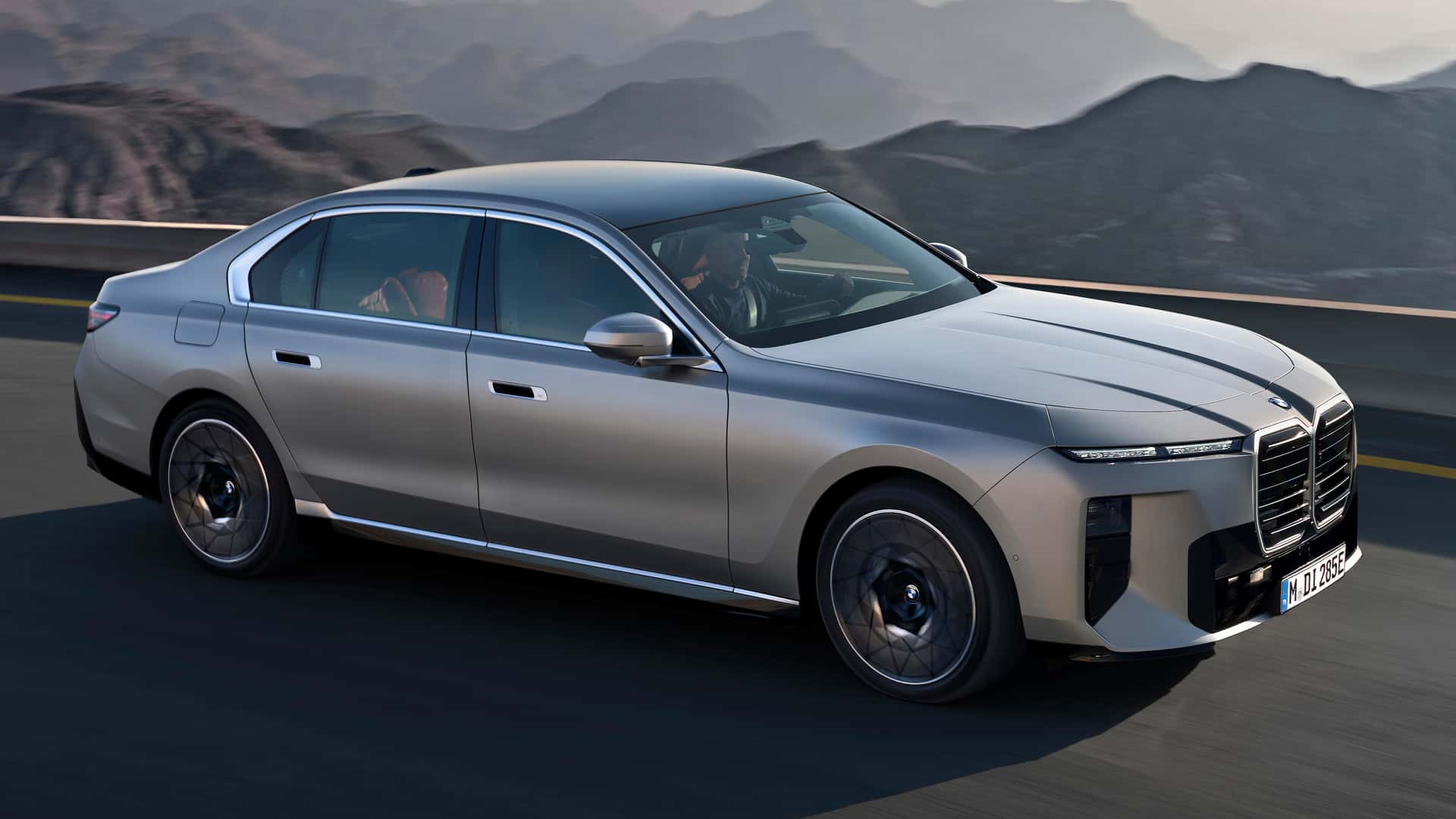
The new BMW 7 Series brings Neue Klasse cockpit logic into the luxury segment: Panoramic iDrive includes a full-width display at the base of the windshield, central display, passenger screen, voice assistant and multimodal interaction. The system combines touch, haptic, and voice-based interaction, with information placed in the driver’s field of vision. This marks a move away from the cockpit centered only on the digital cluster and central touchscreen.
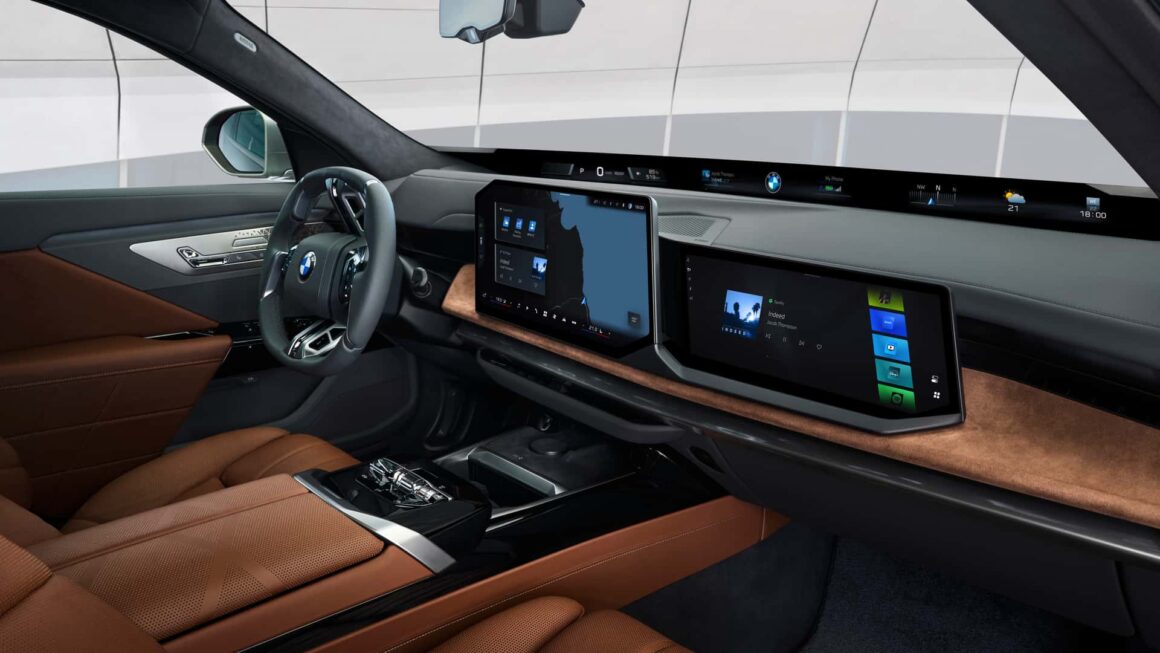
BMW introduces five new steering wheels. The multifunction steering wheel includes haptic feedback and follows the shy-tech principle: controls for driver-assistance functions illuminate only when available. ADAS and parking functions sit on the left, while infotainment functions such as calls and media are on the right.
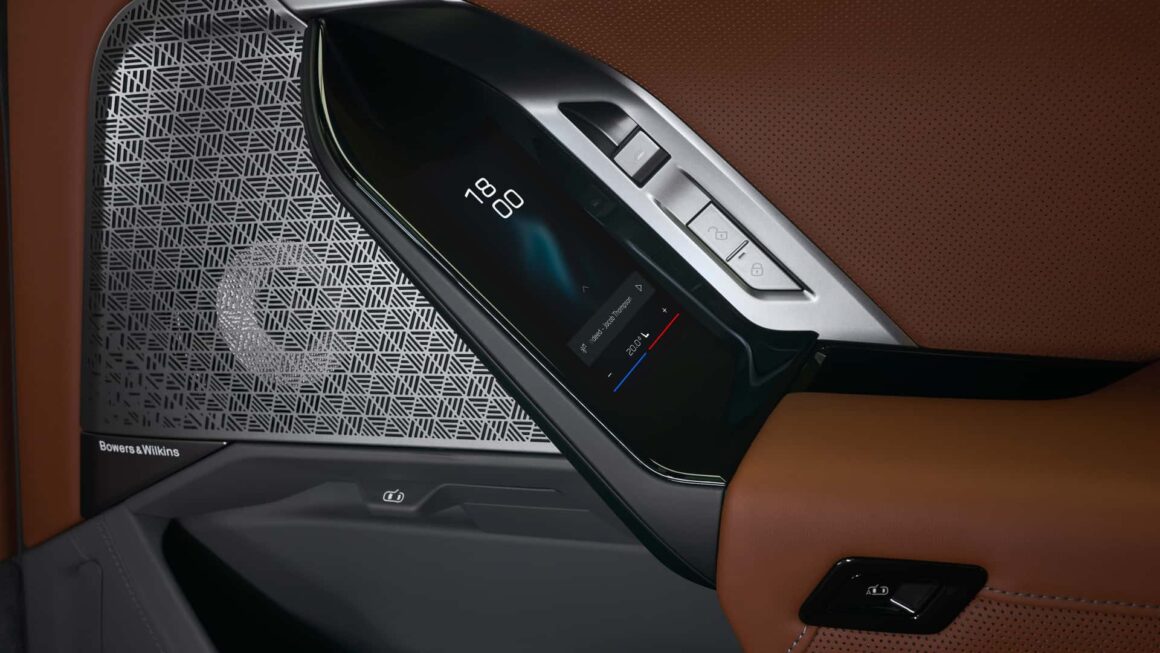
This is one of the most important HMI signals of the week. After years of cramming everything onto the screen, premium OEMs are bringing touch back, in a curated form: capacitive surfaces, contextual illumination, haptic confirmation, and controls that remain invisible until relevant. The goal is to reduce visual load.
The haptic wheel will deserve strict evaluation. Haptic feedback only matters if it is differentiated: clear confirmation, perceptible error signal, functional texture and minimal latency. But if BMW successfully combines panoramic display, HUD logic, voice control, and haptic steering with clear information prioritization, they have a credible answer to ceaseless screenification.


