By Laetitia Lopez | CMF, Strategy and Branding Consultant
A GLOBAL REFERENCE
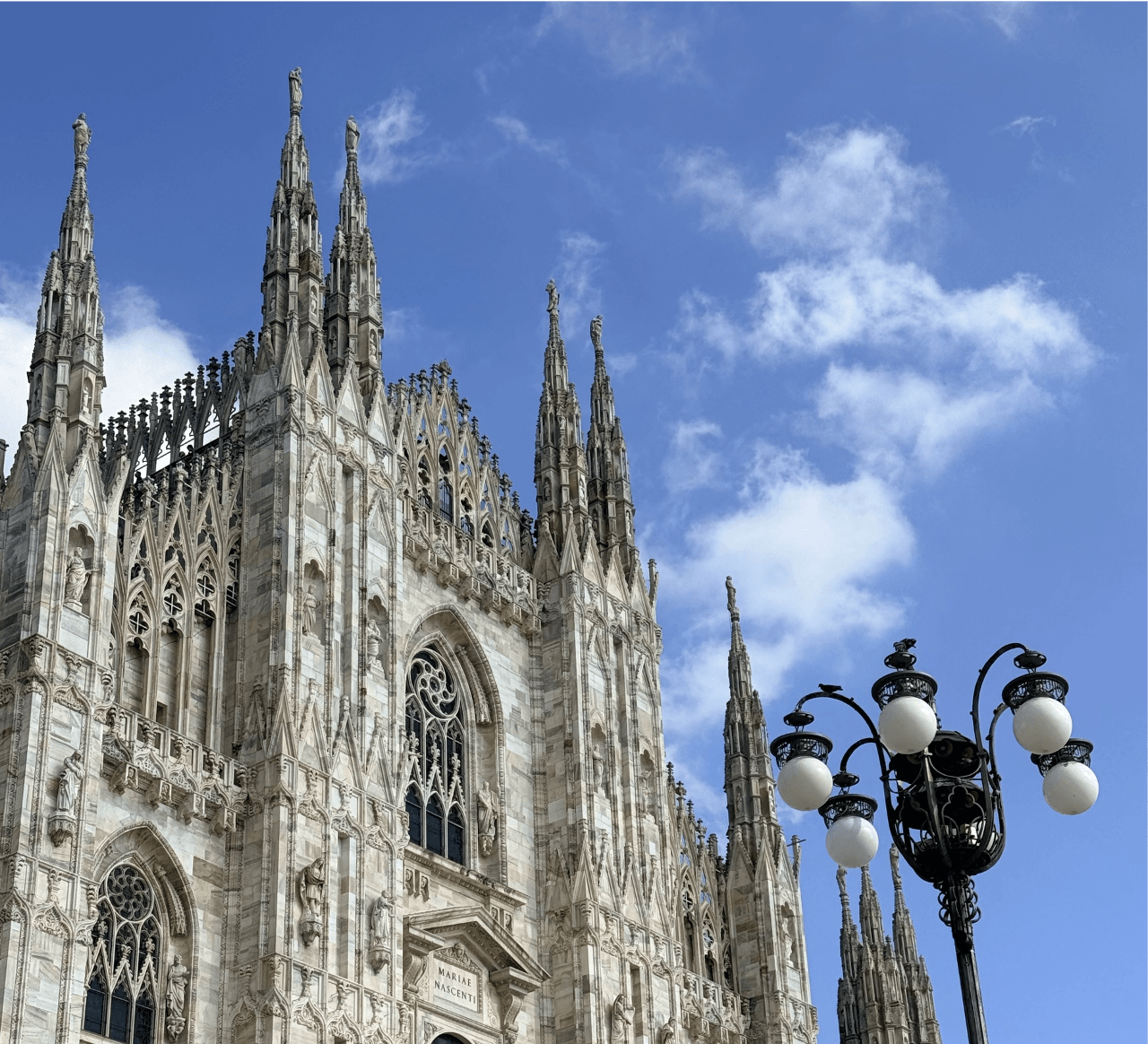
Milan Design Week 2026 once again positions itself as a global barometer for design, and increasingly, for the future of mobility. Anchored by Salone del Mobile and expanded through platforms such as Alcova, Dropcity and the Tortona District, this year’s edition moves decisively beyond furniture into a broader conversation about materials, experience, and human value in an AI-driven world.
What emerges is not a single dominant aesthetic, but a set of tensions shaping the next generation of design.
1. SMART MATERIALS AND DIGITALIZATION
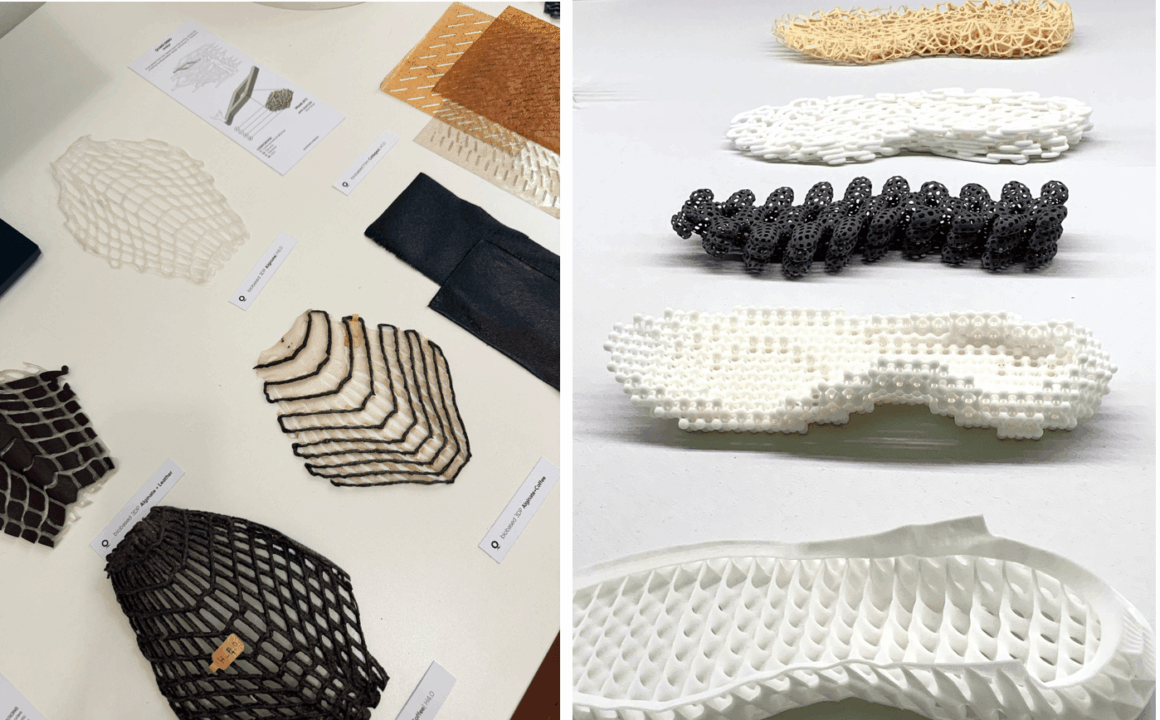
On one side, innovation accelerates. Advanced materials, digital fabrication, and increasingly intelligent environments point toward a future where design is optimized, responsive, and system driven.
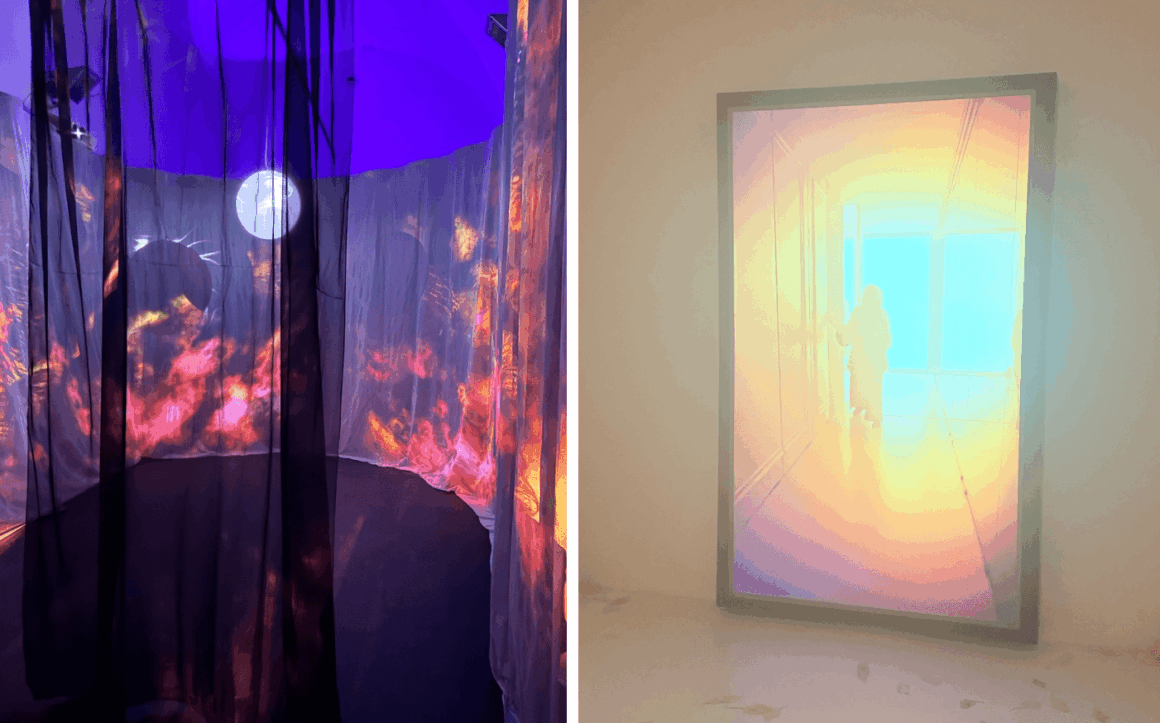
Installations explore how light and adaptive surfaces can redefine spatial and product experiences, signals that resonate strongly with the ongoing transformation of automotive interiors into connected, immersive environments.
2. THE RISE OF CRAFT
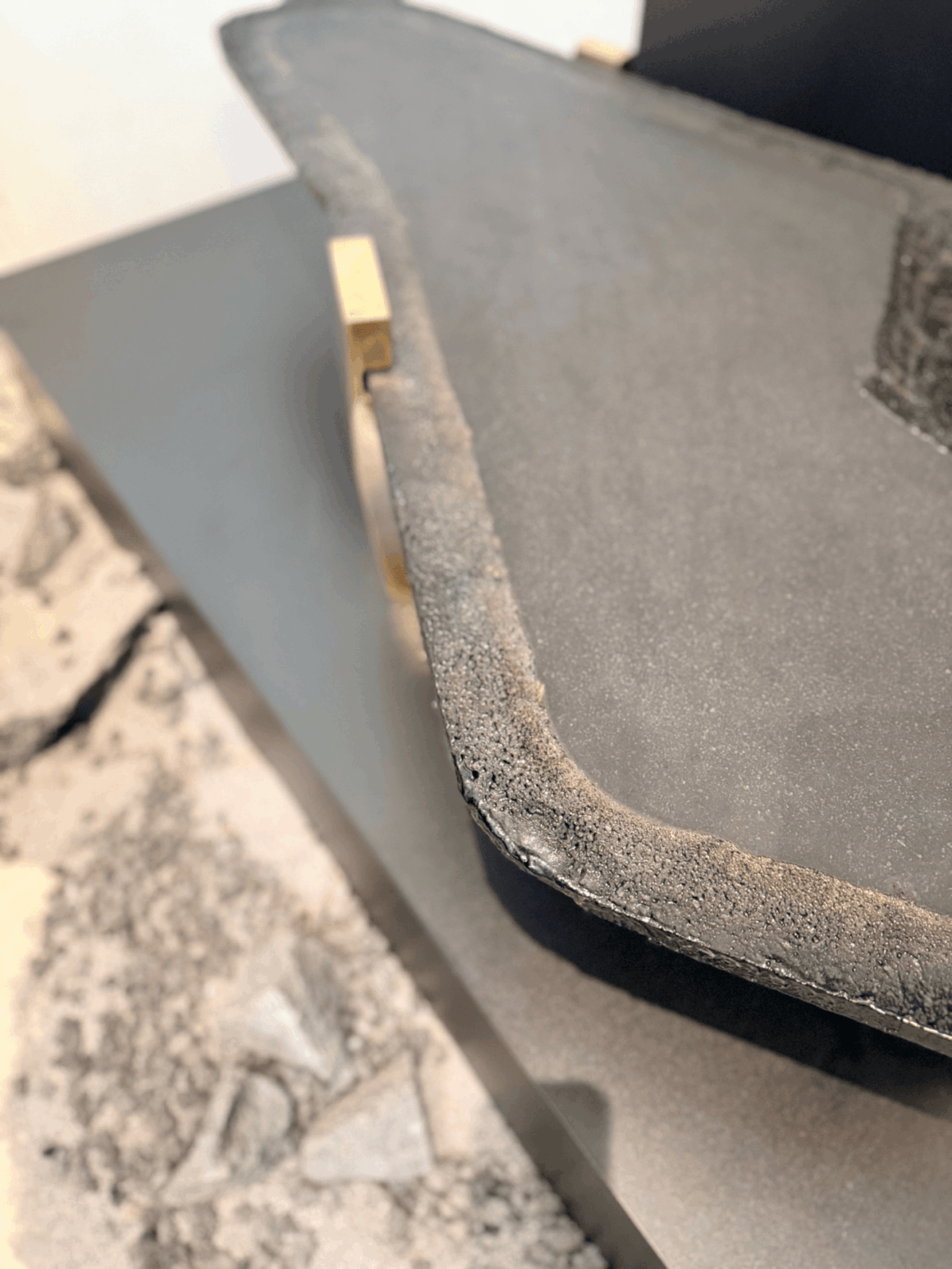
Yet, in parallel, a counter-movement is gaining momentum. Across Milan, from the experimental scenography of Alcova to the more structured propositions at Salone del Mobile, there is a clear return to material authenticity and craftsmanship. Imperfect surfaces, visible processes, and handmade elements are not just aesthetic choices: they are strategic. As AI progresses, the human touch becomes a premium differentiator.
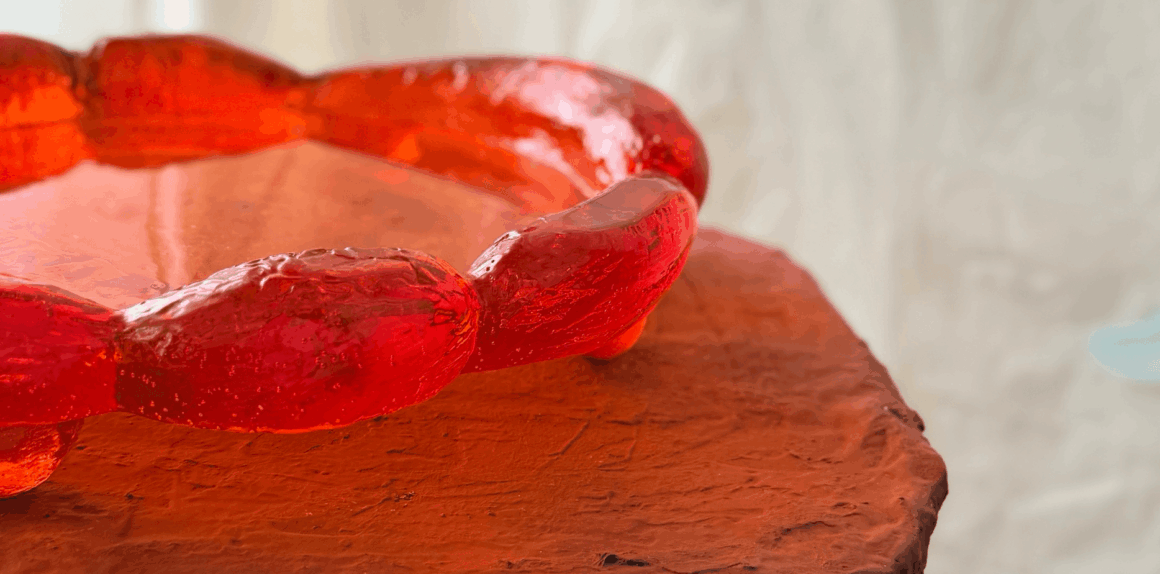
This duality between high-tech precision and tactile imperfection is perhaps the most defining takeaway of Milan Design Week 2026.
Materials are at the core of this shift and are no longer presented as sustainable alternatives, but as primary drivers of design language. Circularity moves from narrative to constraint, pushing designers to rethink how objects are conceived, assembled, and ultimately reused. For mobility design, this signals a growing importance of material transparency and lifecycle storytelling within CMF strategies.
3. THE INCREASE OF EXPERIENTIAL DESIGN
Equally significant is the move toward experiential design. Installations across all districts are conceived as immersive environments, engaging visitors through light, sound, and tactility. The object dissolves into the experience, an approach that mirrors the evolution of the vehicle interior into a multi-sensory living space.
Milan also highlights an increasing convergence between industries. Fashion, architecture, product design, and mobility are no longer operating in silos but feeding into a shared design culture. This cross-pollination accelerates the transfer of ideas, particularly in areas such as materials, finishes, and user experience.
To conclude, for the automotive sector, the message is clear:
The future of design will not be defined by technology alone. It will depend on the ability to orchestrate materials, narratives, and sensory qualities into coherent, meaningful experiences.
Milan Design Week 2026 doesn’t just showcase what’s next, it reframes the question.
In a world where design can be generated, optimized, and scaled by machines, what makes it human and why does it matter more than ever?


