While we wait to bring you news and an inside look at AutoChina 2026, here are a few key highlights we’ve already spotted.
China is pushing the car toward an AI-defined car, where cockpit, assisted driving, OS, cloud, local chips and onboard services become one integrated experience system. The cockpit becomes the visible front-end of a sovereign computing architecture.
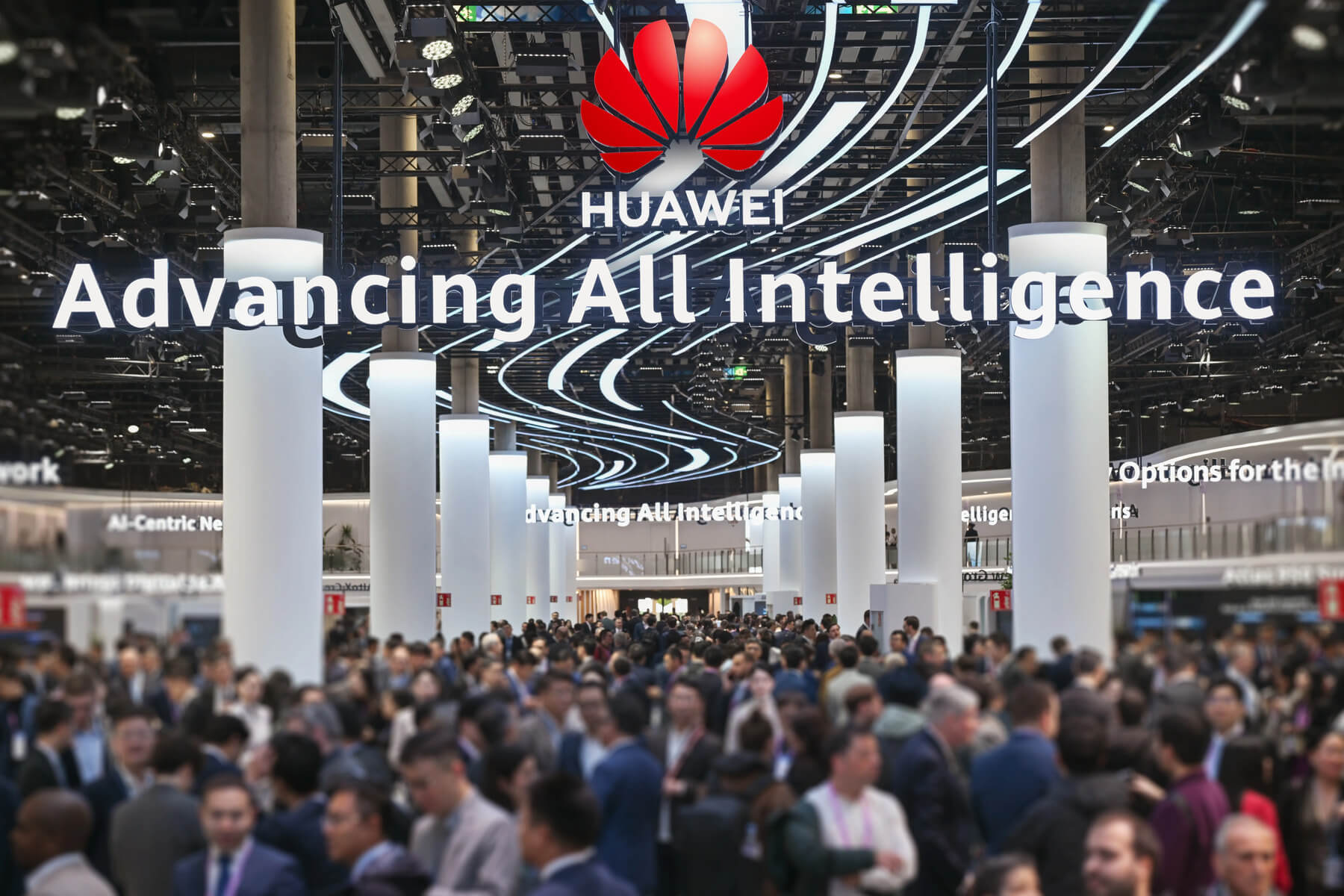
Huawei plans to invest $2.6bn in smart-driving R&D in 2026, and says it will invest more than $10bn over five years to strengthen computing power for smart driving. The cockpit relevance is clear: Huawei is acting as more than an ADAS supplier. They combine intelligent cockpit, compute, OS, connected services, and assisted driving – sort of a ‘tier 0.5’ position, somewhere between supplier, system integrator, and owner of the user experience. For OEMs, this accelerates time-to-market; but it also raises a critical question: who owns the customer interface inside the vehicle? The automaker, or the platform provider?
Horizon Robotics has introduced a processor integrating cockpit and driving functions, which can reportedly handle up to 12 displays in a vehicle. Once the same computing base manages perception, ADAS, graphics rendering, multimodal interaction, and display output, HMI architecture changes fundamentally: the industry moves away from separate cluster, IVI, HUD, and rear-seat entertainment domains toward a real-time experience chain.


