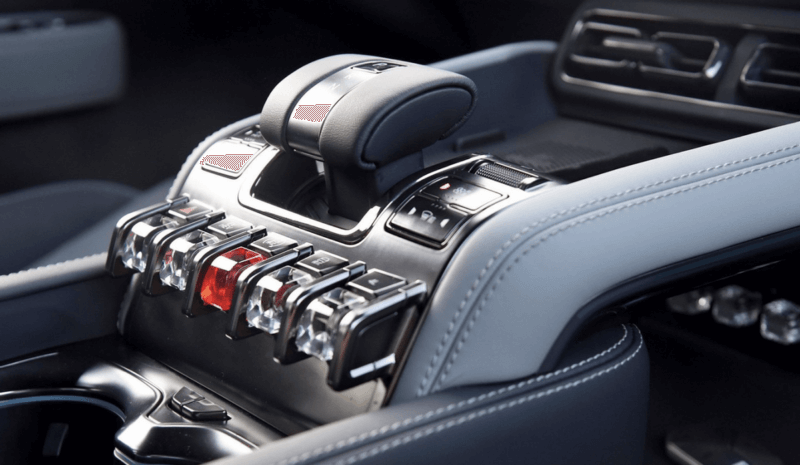
The Chinese MIIT (Ministry of Industry and Information Technology) is acting to require physical controls for functions such as turn signals, windows, and ADAS activation on new vehicles from 1 July, 2027.

Cockpits have been careening towards tablet-on-wheels emptiness: devoid of buttons, levers, and knobs, with everything controlled via touchscreen, and functions hidden two (three, five, seven) submenus deep. Whatever its design merits, it’s been obvious for years now that chasing after Elon Musk’s whims can lead to bad places. Now the industry is being brought to heel about it; regulators and ratings organizations are pulling the HMI back toward tactile operation that doesn’t require looking away from the road.
In China, the MIIT is preparing an update to GB4094 (control/indicator marking) with a clear intent: keep core functions accessible, fixed in position, and largely blind-operable. The draft adds mandatory physical control mechanisms for key operations: turn indicators, hazard lights, horn, wipers, defrost/defog, power windows, AECS/eCall, EV power-off, and gear selection (screen-only shifting is explicitly targeted). Requirements get very specific: an effective operating area ≥ 10 mm × 10 mm, fixed placement, haptic/auditory feedback, and ensuring basic functions remain available even if the vehicle system crashes or power is lost. The new rules would apply to newly manufactured vehicles from 1 July 2027. It’s yet another example – along with the ones we reported on about steering wheels and doorhandles – of China rapidly moving from a follower to a global leader in vehicle safety regulation.
In Europe, Euro NCAP’s 2026 overhaul reshapes the rating into four pillars (including Safe Driving) and introduces clearer HMI assessments for essential controls, explicitly referencing the availability of physical buttons for commonly-used functions. ETSC spells out the operational expectation for top scores: dedicated physical controls for indicators/hazards, wipers, horn, and SOS/eCall. This isn’t enforced nostalgia, it’s a non-optional shove back toward designing controls and displays for usability and safety. Cockpits will have to balance aesthetics with functional redundancy – hard keys, haptified smart surfaces, contextual knobs – so critical actions can be done without taking eyes off the road. Screens are fine and great…but they’re not the right answer for all controls.


