During our latest DVN Lighting event at Munich, Nissha exhibited some of their amazing technologies.
They are a printing company in Japan, who have ventured into highly advanced printing – especially on foils; they’re now one of the top suppliers of foils for automotive interiors. They have a worldwide presence, and a European development and design center just outside Frankfurt in Eschborn.
I had the pleasure of visiting them once in Eschborn a few years back and it was absolutely impressive what they are capable of doing.
In Munich I got a good long chat in their booth and got to see some of the latest and greatest.
Many things are still related to interiors, including light and other kind of magic, but what was new to me was their capability in exterior parts where their foils can be used in in-mould layering processes.
I got to see some exterior parts where there was light behind, shining through in a shy-tech manner through areas of the part that appeared piano black when inactive, but fully illuminated through the foil when lit. Could be hidden warnings, patterns, charging indications or whatever-all else one could dream of. Truly a design-enabling technology.
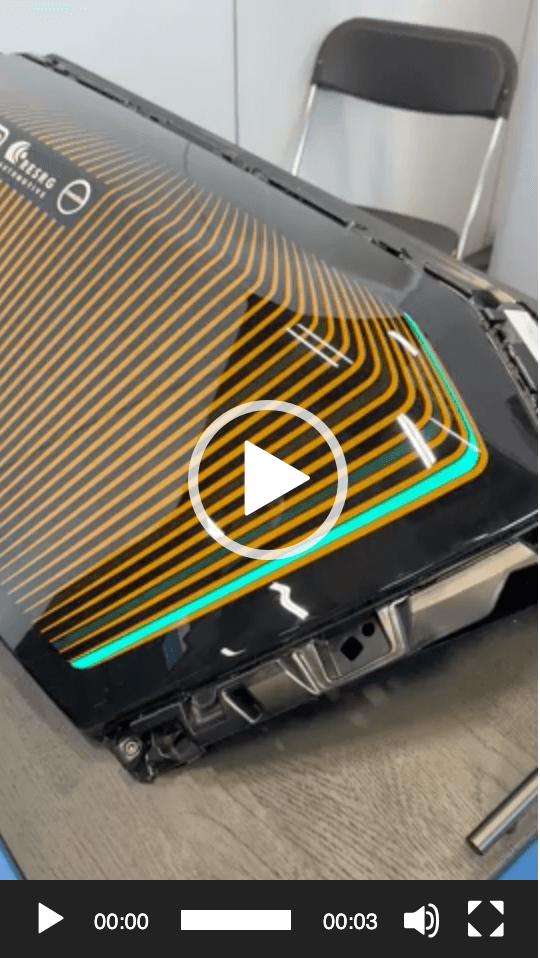
They also showed the part shown below, wherein they managed to print the foil such that it looks identical to the vehicle’s exterior paint. Major plastic parts could be made this way without having to paint them; It’s a foil in the injection mould instead.
In this case it also had shy-tech light features integrated. In the left half of the image below, it’s all lit; the right half it’s unlit and we try to hold something dark behind it in the bright fair environment. So at night in the outdoors this would be true shy-tech.

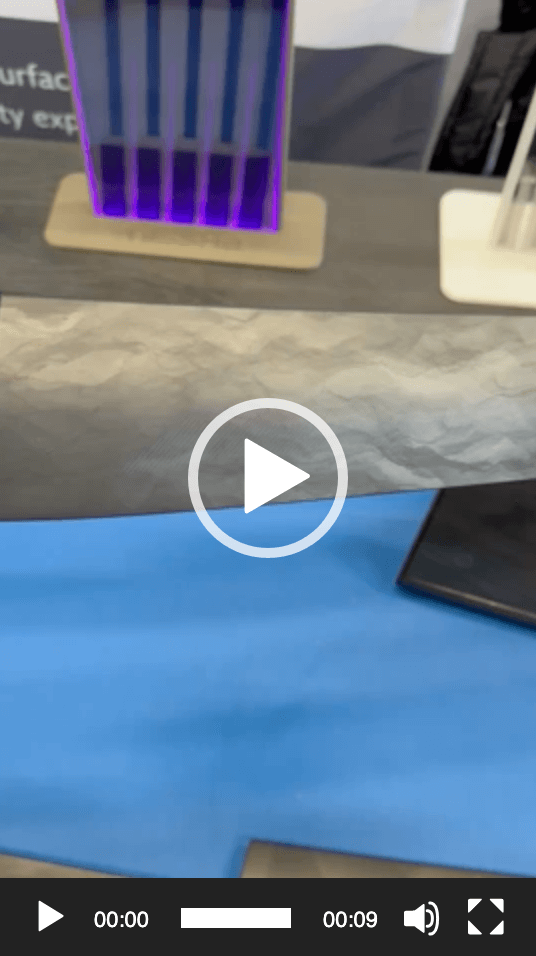
Nissha is also quite adept with interior foils. The example above has shy-tech features and touch sensor possibilities for interactive parts.
Nissha is involved in the production of the touch sensors on iPhone and iPad screens through their part ownership of TPK Holding, so they have high expertise on touch capabilities in parts.
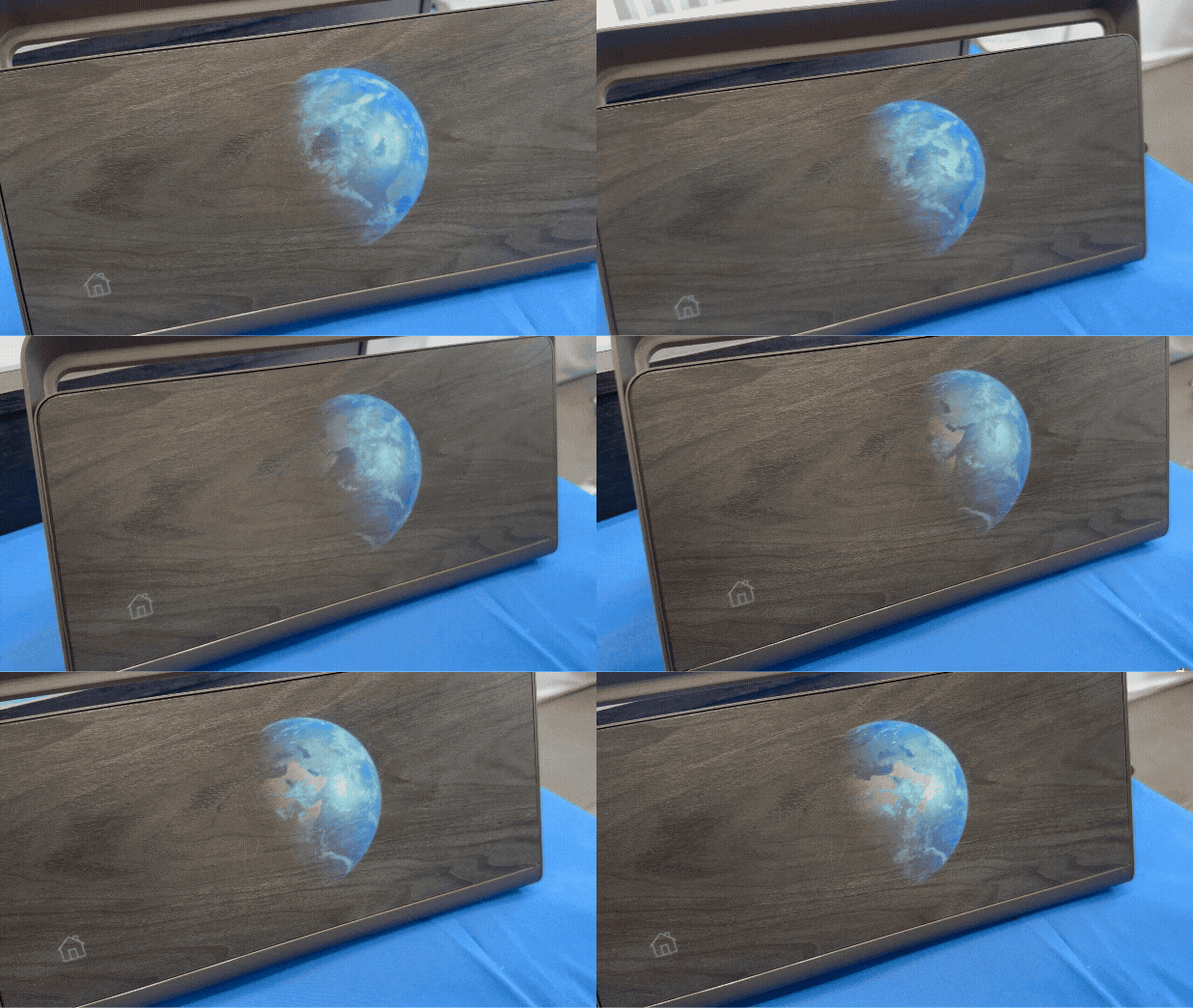
They also showed a holographic effect foil with prominent depth appearance despite the part’s thin actual depth. Surely this could enable designers’ ideas! It could be used for interior light presentations with a nice depth effect even though there is no actual space behind the device, or of course for exterior lighting effects.
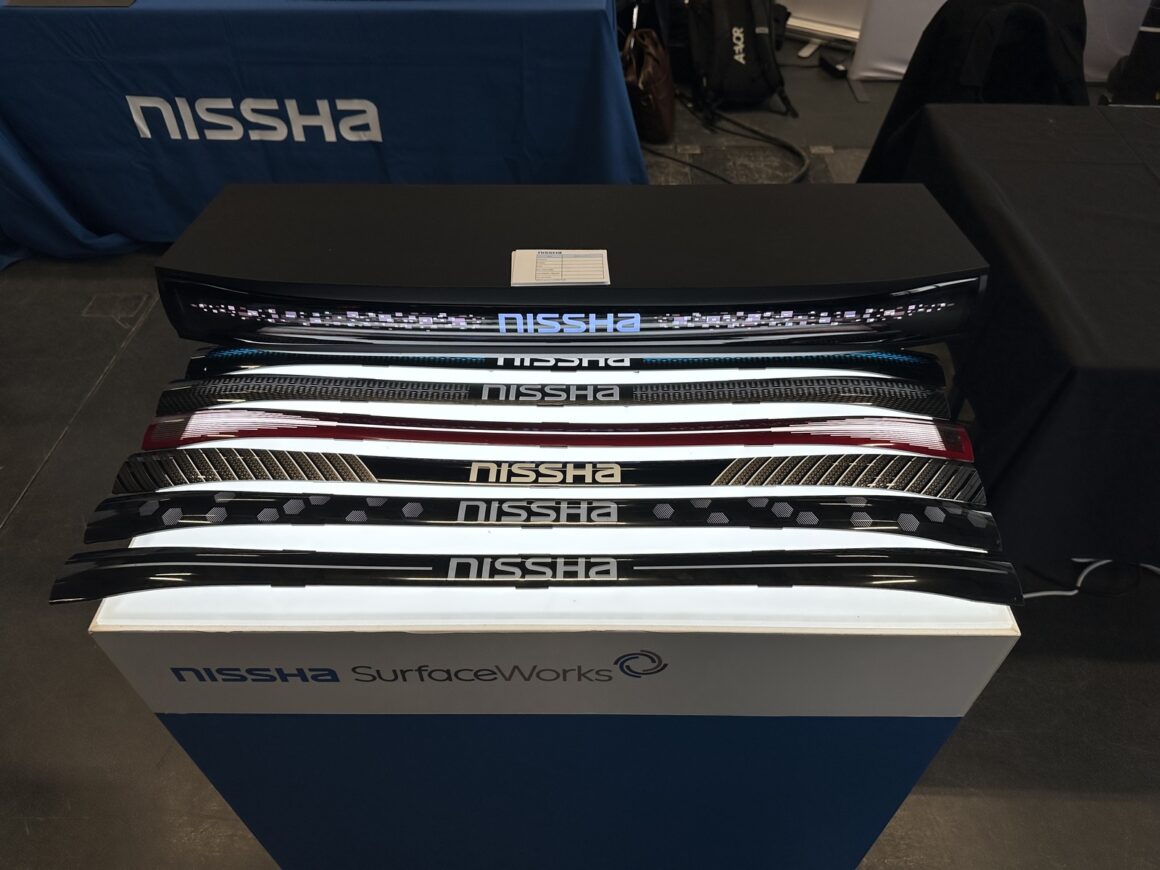
The final exhibited part that caught my attention was examples of different CMF executions of the same foil. Different printing and patterning allows for different designs in the same tool.
If you haven’t visited Nissha in Eschborn yet, I strongly recommend it. Or come and talk with them at a DVN event. We’re gratified they joined us in Munich!


