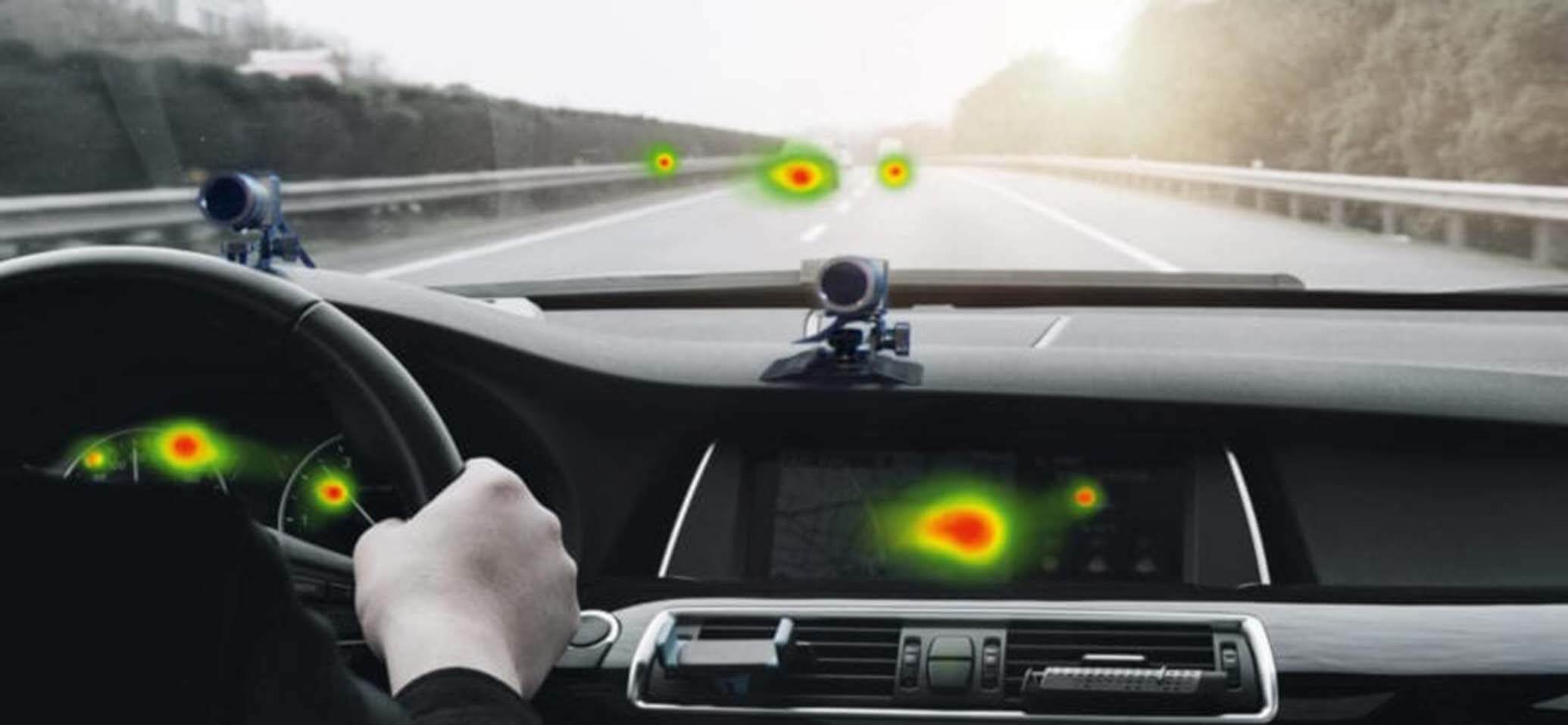
Driver monitoring has been evolving. At first it detected drowsiness, then distraction, then more nuanced states of (in)attention. This week’s Smart Eye news suggests the next rung is more consequential and more sensitive; the company won an order to supply a Japanese automaker with a DMS which includes alcohol impairment. It’s slated to debut on two models in 2028.
Smart Eye describes this as the first time alcohol impairment detection is included in a DMS delivery. Whether one frames that as a technical milestone, a regulatory preëmption, or a new safety approach, the implication is the same: the question at the center of a DMS is evolving from ‘are you paying attention?’ toward ‘are you fit to drive?’.
From an OEM standpoint, the strategic value is that as vehicles take on more L2 to 2+ capability, the industry is being pushed to manage the human side of the automation equation: attention, readiness to retake control, and now potential impairment. If alcohol impairment detection can be integrated into an existing in-cabin sensing stack, it offers a path to add preventive safety without adding more kinds of hardware. It also raises the bar on UX messaging and data governance: the ‘tone of voice’ of such a system has to be carefully engineered, because nobody wants their daily commute to feel like a roadside checkpoint.
Smart Eye’s press materials about this win cite an estimated order value, which points to this not being so much a research collaboration as a real production venture. That means performance targets, false positives, and customer acceptance are make-or-break.
With the ability to accurately, appropriately, and diplomatically assess driver fitness, DMS becomes not just a feature, but a policy interface. That makes the cockpit – more than ever – the junction point of safety, legality, and user experience. Makers who can balance technical ambition with human-centric design discipline will surely be the winners.


