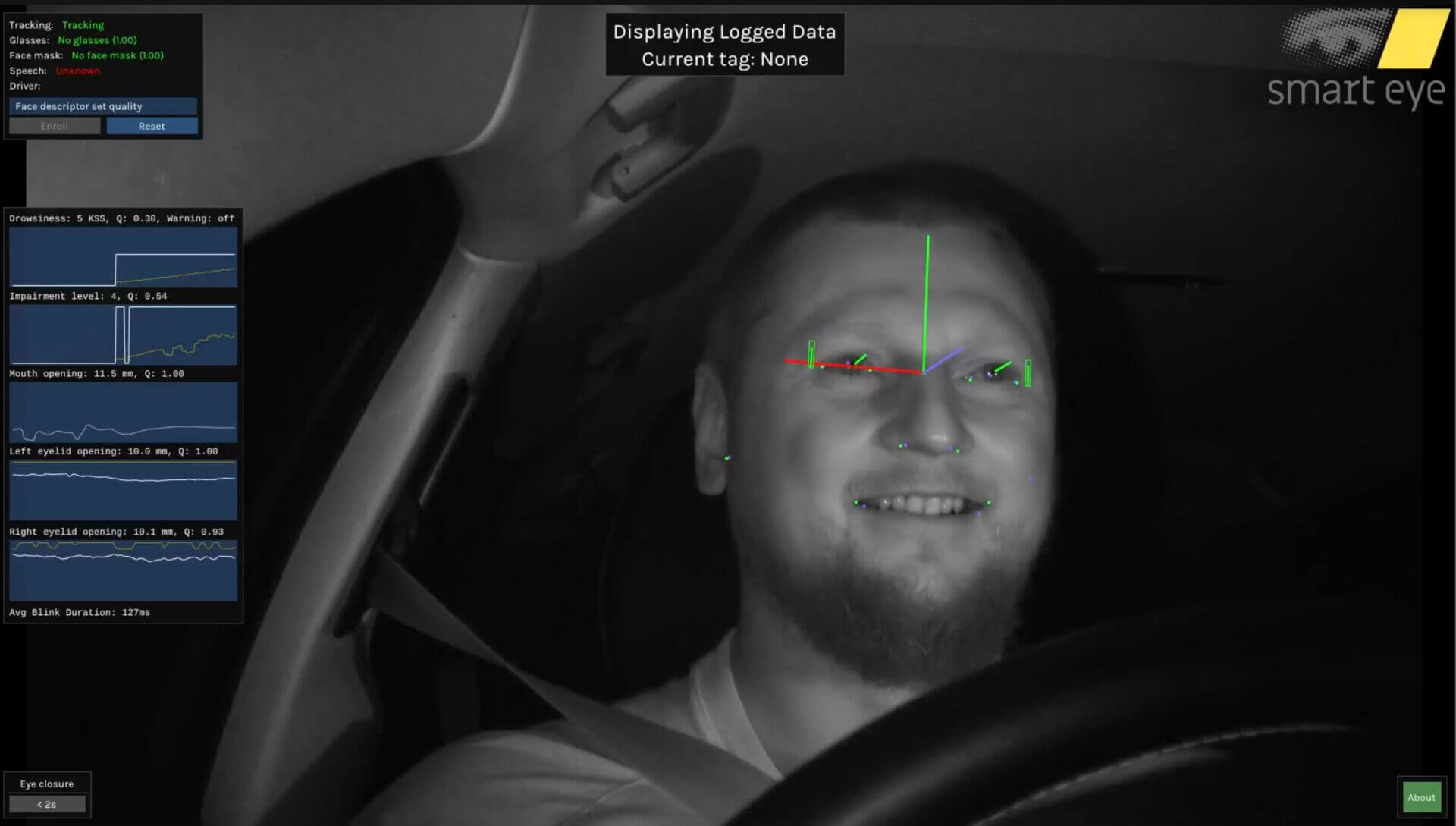
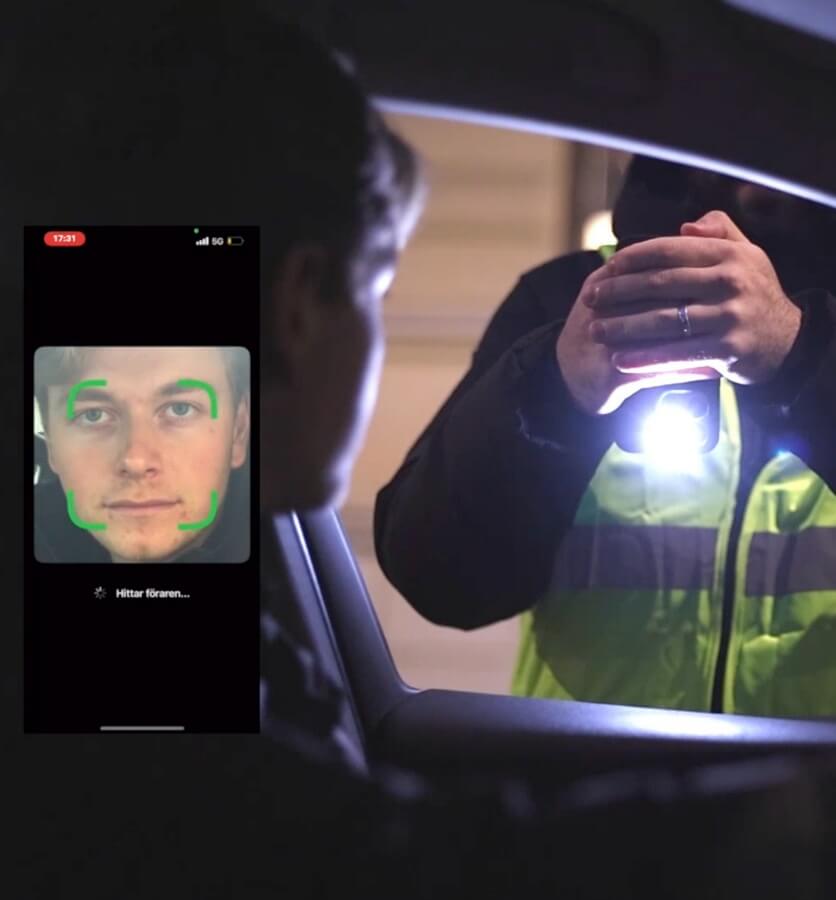
Smart Eye has agreed to acquire impairment-detection specialist company Sightic, with the stated aim of expanding coverage across alcohol and drugs, while accelerating deployment of broader impairment capabilities alongside Smart Eye’s established monitoring domains.
What’s striking is how explicitly Smart Eye frames the acquisition in platform terms. The company positions it as a way to bring impairment detection under one integrated umbrella essentially turning in-cabin sensing into a unified human-state stack. That’s in line with OEM preference trends for fewer suppliers, fewer ECUs, and clearer validation responsibility. It’s also aligned with the broader software-defined vehicle trend to consolidate functionality into scalable software components that can be deployed across programs and regions with controlled variation.
Impairment detection is technically challenging, and it is socially and legally delicate. The winners will be those who can demonstrate robustness, minimize false positives, communicate outcomes responsibly through HMI, and align with region-specific regulatory frameworks. Smart Eye’s acquisition is a bet that combining datasets, domain expertise, and existing OEM relationships will move the industry faster from pushing an interesting possibility to offering production-grade feature with governance.
This is another step toward a cabin that doesn’t just passively respond to driver inputs, but actively interprets the driver’s intent and status. That’s a profound shift and it will redefine user interfaces and experiences.


