Article from Gasgoo Auto
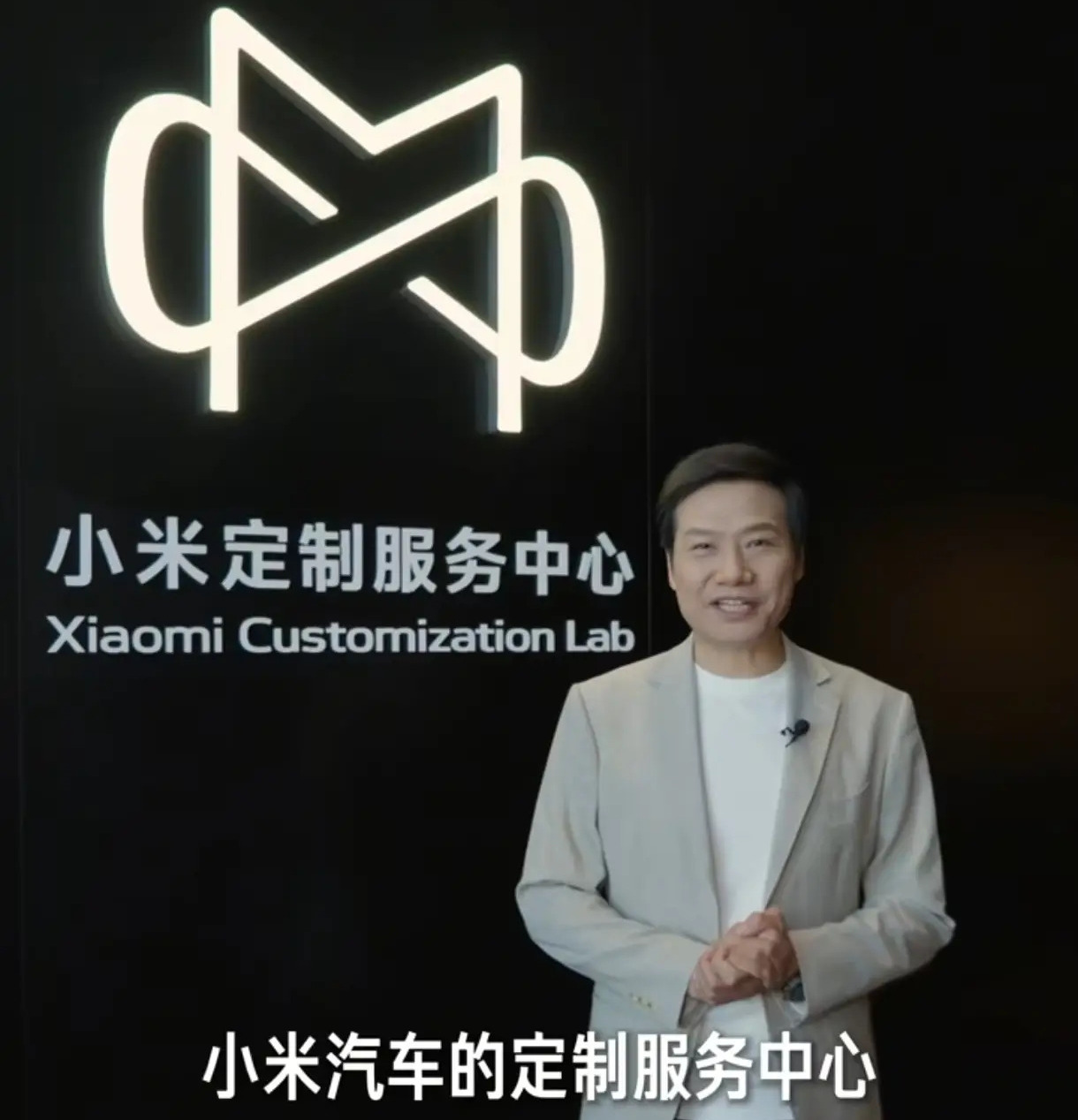
On December 8th, Xiaomi founder Lei Jun explained the strategic positioning and development vision of Xiaomi’s Custom Service Center on social media. He clearly stated that this move aims to break the traditional car consumption model, allowing a wide range of consumers to experience the personalized customization services previously exclusive to million-yuan luxury cars at a more affordable price.
In the video, Lei Jun mentioned that since Xiaomi Auto was launched more than a year ago, it has introduced over 20 car body colors. Currently, Xiaomi’s customization service center has more than 100 new colors in development, utilizing different processes and coatings.
The site showcased various component matching options, including steering wheels, calipers, seat belts, wheel hubs, and seat materials. Additionally, the center offers three preset themes for users to choose from: “Racing Red,” “Amethyst Lightning Yellow,” and “Brilliant Magenta.”
According to officially released information, Xiaomi Auto’s customization service has now officially started, with a deposit of C¥80,000. The first phase of the service provides 26 personalization options, including 5 new car paints, 4 types of interiors, new forged wheels, and more. Customized car badges and body decals are also included.
The service is planned to undergo a one-year trial operation, with the first applicable models being the Xiaomi YU7 Max and Xiaomi SU7 Ultra. Among the customization options that are already available, the Amethyst paint has attracted some attention.
According to earlier introductions from Xiaomi Automobile, the car’s paint uses a double-layer lacquer technique and is hand-polished for about 50 hours, aiming to achieve specific color and texture effects. With the launch of the customization service, the first Xiaomi SU7 Ultra owner to choose the Amethyst crystal paint has received their vehicle.
In a video, Lei Jun emphasized that this strategic move is not only to meet high-end market demands but also aims to reduce customization costs through economies of scale. “We hope that through technological innovation and supply chain integration, more consumers can enjoy the exclusive customization experience that was previously only available to luxury car owners, at a reasonable price.”
Industry observers noted that the opening of Xiaomi’s customization service center marks a new dimension of competition in the smart electric vehicle market. Compared with the standardized production model of traditional automakers, Xiaomi has explored a new path in personalized services by deeply integrating software and hardware resources. This user-oriented innovation practice could reshape the future business models and service standards of the automotive industry.


