WheelArticle from Gasgoo Auto
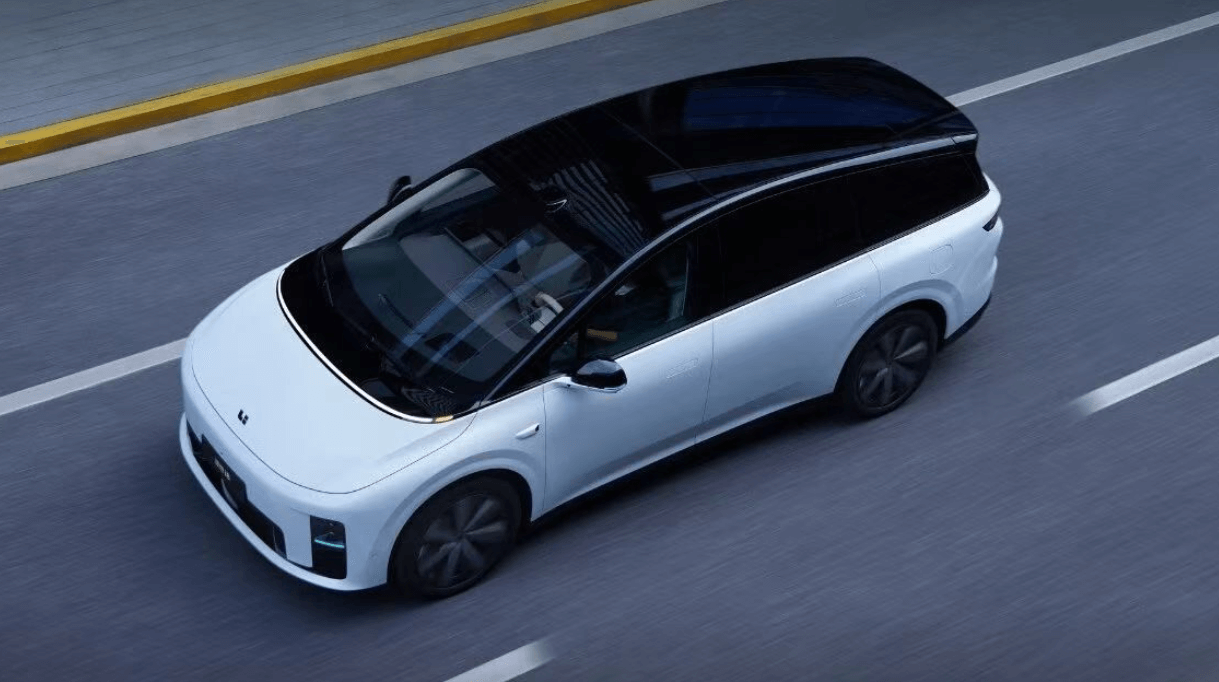
According to relevant reports, Li Auto is expected to launch the brand’s first L4 autonomous vehicle within the next three years. This model will eliminate traditional components such as the steering wheel and pedals, aiming to transform the vehicle into a mobile “living or working space.” The company likened the implementation of this technology to the “iPhone 4 moment” in the automotive industry, indicating its potentially transformative impact.
Achieving this goal faces multiple challenges. On the technical side, it is necessary to address the reliability of perception, decision-making, and control systems, as well as to implement redundancy designs and cybersecurity measures. On the market and regulatory side, issues such as public acceptance, the improvement of relevant laws and regulations, and the determination of liability in traffic accidents must be addressed. In addition, Li Auto Chairman Li Xiang has stated that there is a 50-per-cent chance of launching an AI supercar by 2030.
The core of technological breakthroughs lies in the development of the VLA (Vision-Language-Action) driver large model. Its maturity depends on computing power investment and a large-scale data feedback loop. Li Auto’s annual related investment exceeds C¥6bn, and it is estimated that achieving L4 requires a data collection scale of at least 5 million vehicles. Li Auto stated that currently, in terms of the computing power infrastructure and data loop efficiency related to the VLA large model, domestic technology still lags behind top international standards.
To enhance technological capability, Li Auto is developing a general ‘world model’ to improve system generalization and is promoting collaborative innovation through the open-source ‘Li Auto Star Ring OS’ operating system.
A company representative stated that in the next 5 to 10 years, the role of cars will shift from being transportation tools in the industrial era to ‘spatial robots’ in the AI era. The core of industry competition will transition to a comprehensive capability system driven by software and AI technology, covering four key elements: models, computing power, operating systems, and the hardware itself. By then, AI will evolve from being an ‘assistive tool’ to a ‘productive tool,’ enabling fully autonomous driving, natural language command execution (such as verbal parking commands), and using ‘super alignment’ technology to enhance driving safety and comfort, thereby significantly transforming the user experience.


