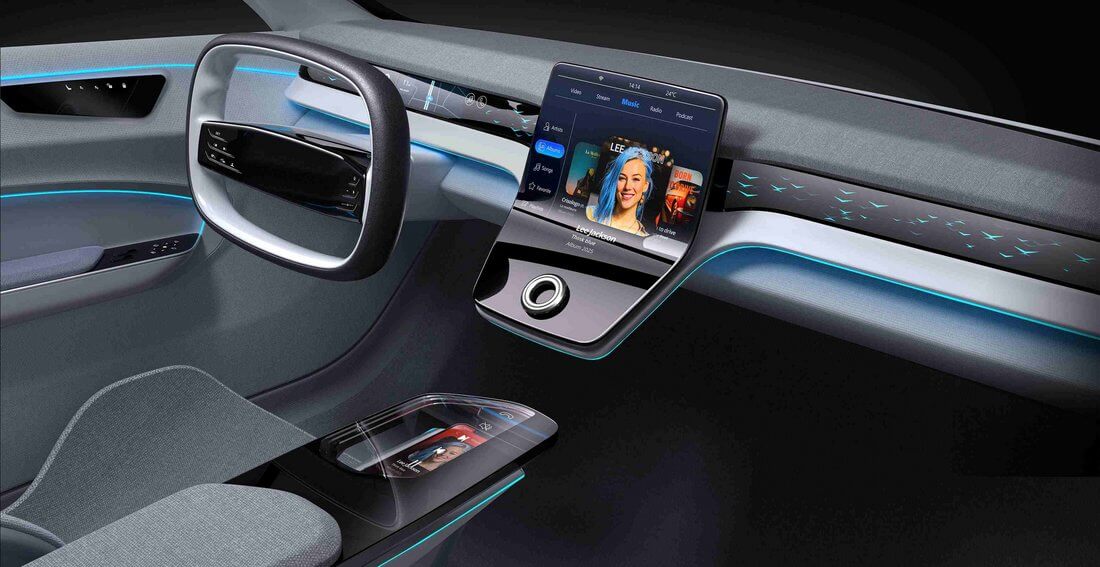
Ambient lighting is no longer a gimmicky ‘mood’ feature buried in an options list. In today’s interiors, it plays in the same league as HMI when it comes to expressing brand identity. Behind those seamless light blades and depth effects sits increasingly sophisticated electronic architecture, which suppliers like Preh now treat as ambient lighting systems, rather than as add-ons.
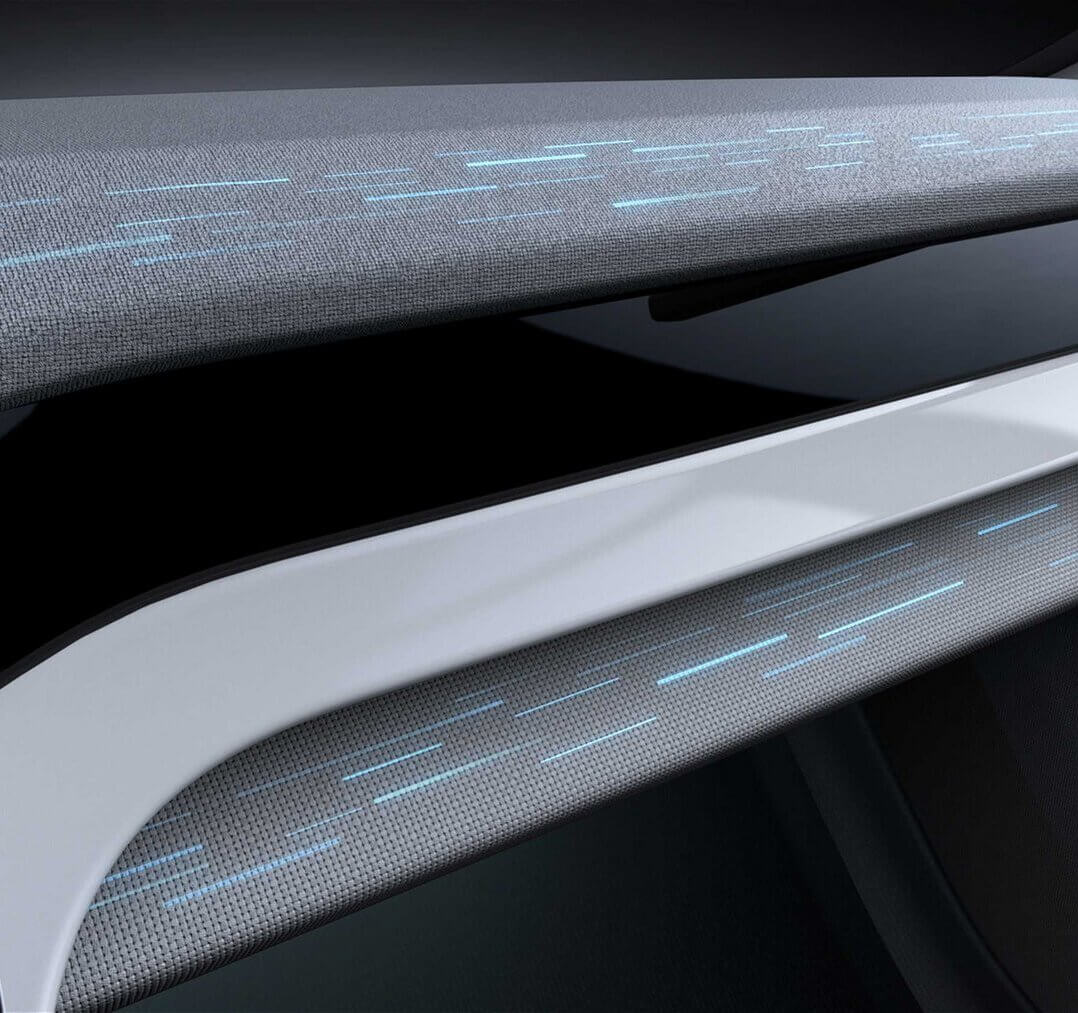
Preh’s Advanced Light Concept is an example of this shift. To create 3D depth effects, it’s no longer enough to line up some LEDs behind a diffuser. It takes a coherent system: light sources, light guides and their functional electronics – control unit plus communication bus – all integrated into ever-tighter packaging envelopes.
LED matrix technology, LED grids across a surface, enable complex dynamic scenarios, configurable lighting zones and highly precise night-time signatures especially in door panels, under sculpted dashboard surfaces, and in consoles. Each LED must be individually addressable via a high-speed bus, while still guaranteeing perfect homogeneity of color and intensity across the visible area.
Mechanical and electronic co-design becomes a key competence: managing tolerances, cooling and rigidity, while offering the freedom of form and surface that designers expect.

On the HMI side, Preh is pushing an approach where the smartphone becomes a fully integrated component rather than just something tossed in a storage tray. Their newest center console concept features a transparent zone under which the phone is parked, held on a flexible mount that can cope with vehicle dynamics and diagonals of up to seven inches. Wireless charging and automatic Bluetooth pairing are expected basics; the real shift is in how the user interacts.
The transparent surface is used as a luminous interface: character recognition and icon display enable selection of key functions. Using LEDs and light guides, up to three different pictograms can be shown at the same spot, with colour changes to indicate states. The result is a reconfigurable HMI with no classic display, backed by active haptic and acoustic feedback. The driver interacts with an apparently ‘neutral’ surface as long as no function is called up – perfectly aligned with the trend towards closed, clean surfaces.
This approach is not intended to replace every interface in the cockpit. It’s designed to complement voice control, multifunction steering wheel switches, and central displays. The real challenge is to distribute functions smartly, so that the driver’s eyes remain as much as possible on the road, while the center console becomes the stage for secondary interactions and brand-specific UX.
Solutions like these show three worlds converging: electronic architecture, lighting design, and HMI ergonomics.


