DVN attended the Forvia Innovation Days event, immersing into a world of new technologies presented by leading experts. The event highlighted progress in sustainable materials, modular interior architecture, and advanced occupant systems. Developments in gaze-based interfaces and multi-sensor comfort control reflect a clear focus on functional efficiency, regulatory compliance, and scalable interior technologies for future mobility.
Forvia’s Materi’act portfolio aims to cut CO2 emissions and enhance recyclability. Key innovations include:
- NAFILean: A hemp-fiber bio-composite used in over 10 million vehicles.
- NAFILean Vision: recycled, paint-free decorative material.
- IniCycled: Composed of up to 100-per-cent recycled plastic.
- Piñatex: Made from pineapple fibers, slashing CO2 emissions by up to 85 per cent.
Forvia puts up to 80 per cent recycled content in hidden parts; up to 40 per cent for visible decorative components, all while maintaining performance standards.


They showcased a modular central console with flexible storage and a standardized floor anchorage system for easy disassembly or reconfiguration. It is well suited to flat-floor electric vehicles. Optional features include a coffee machine and foldable screen, promoting a seamless art-de-vivre experience inside the car.

Their Opale Cockpit integrates Materi’act materials, the modular console, a foldable steering wheel and AirVision, an innovative image projection system using gaze-and-select eye-tracking technology for hands-free control. Features include 3D-printed decorative surfaces on Alcantara and LED matrices beneath textiles that create a striking 3D visual effect, delivering a deeply immersive interior experience.

The Zen Massage Seat combines light mechanical systems and multiple massage techniques to provide powerful and quiet automotive massage. It transforms the cabin into a relaxing ‘third living space’, and can also stimulate alertness if driver fatigue is detected. First serial application will be in the IM Motors LS9 SUV, due to go on sale by the end of this year.
Speaking of 3D massage seats, competition is intensifying. We previously covered the Brose Sitech Slim Seat with integrated massage functions and Adient’s 3D mechanical massage seat. Forvia’s system is entering serial production by late this year. European automakers are surely watching these developments closely, as comfort and wellbeing become key product differentiator.


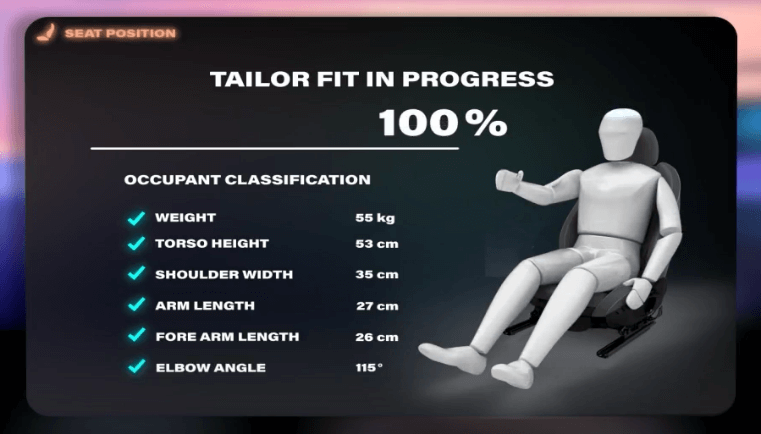
Then there’s the Transformer Seat, tailored to meet Chinese consumers’ high luxury expectations. It adjusts automatically through up to 10 parameters, adapting to each occupant’s morphology and driving conditions: city, highway, mountain driving or even when parked. Integrated lighting, massage, haptic feedback and heating deliver ultimate comfort and sophistication, ideal for high-end vehicles across all powertrains.

Forvia’s Safe & Relax Seat anticipates forthcoming seat-inclination regulations while optimizing comfort and safety. It reclines up to 45° with a reinforced frame and body-mounted seatbelt, or up to 60° with an All-Belt-to-Seat design for superior protection.
Both types feature occupant monitoring sensors to prevent unsafe postures, while Forvia’s Compact Comfortable Structure saves interior space.
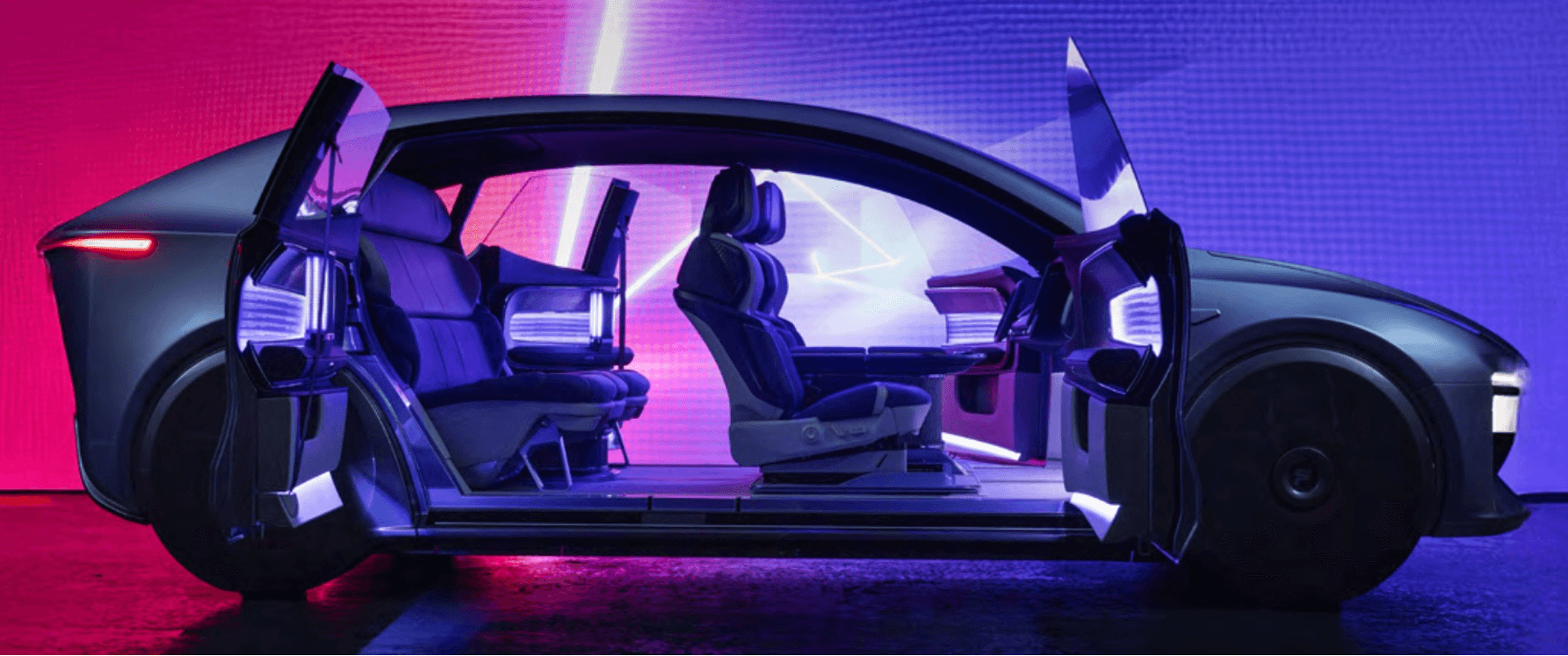
The pièce de resistance of the show was the Saphir Masterpiece, showcasing reimagined vehicle interiors through modular configurations, gaze-and-select AirVision, and advanced connectivity.

Highlights include a floating, display-free dashboard for a spacious cockpit feel, automatic seat and steering adjustments, a flat floor with the adaptable middle console for multiple uses, rotating seats with tables for social interaction, and a full-relax 60° passenger seat with sliding footrest.
The ambiance can be personalized at any time, reflecting Forvia’s commitment to user-centric design and Chinese market preferences.


