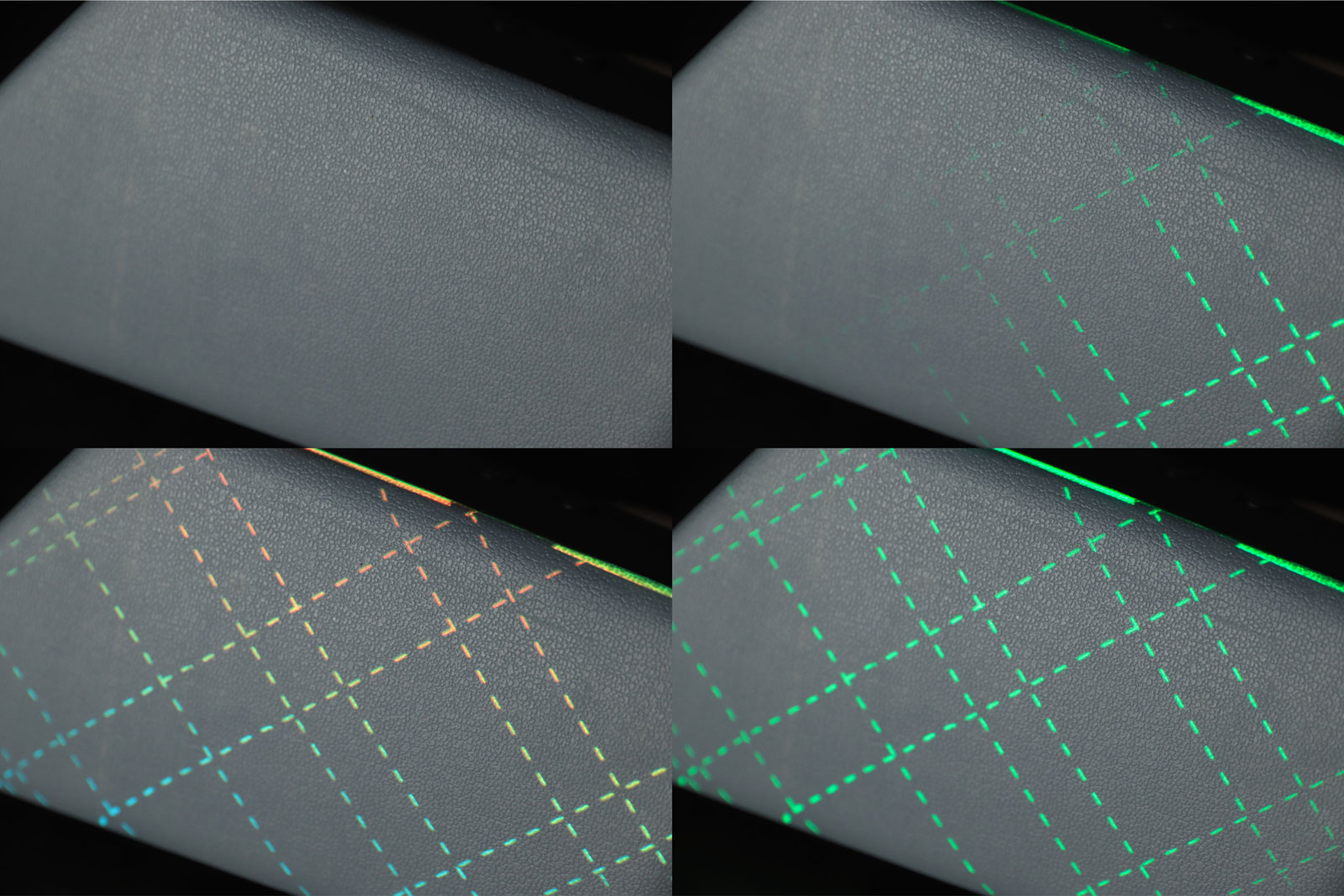
General Silicones (GS) reports how automotive components makers start using its Compo-SiL® technology, following the trend to simplify human-machine interaction (HMI) by giving surfaces in the cockpit smart functionalities, such as ambient lighting, display information, and integrated control functions through virtual buttons and sliders with haptic feedback.
GS was founded in 1970 in Taipei, Taiwan, and has now a global representation. GS is a major distributor of silicone materials and an active silicone products manufacturer, with plants in Hsinchu, Taiwan; Wujiang, China; and Bac Giang, Vietnam.
Compo-SiL® is a silicone rubber material that delivers many benefits of silicone material compared to plastic-based products. Its light transmittance is far higher than plastic-based alternatives after dyeing. It is not sensitive to aggressive chemicals, and it can be modified to be electrically conductive.
To integrate control functions, indeed, the silicone rubber is modified to provide electrical conductivity for interactive materials. In combination with intelligent haptic feedback technology, Compo-SiL® silicone rubber to create 3D-shaped touch surfaces that integrate intelligent tactile sliders, smart buttons and dynamic surface illumination to enhance Human-Machine Interaction.
Compo-SiL® uses its patented technology to equip the cured silicone rubber sheet with an ultra-thin polyurethane (PU) based interface layer. This layer allows bonding of the cured Compo-SiL® silicone rubber sheet with standard glue processes to smart surfaces during mass production, providing excellent adhesion strength.
GS manufactures Compo-SiL® using environmentally friendly. Silicone rubber has a low environmental footprint during manufacturing thanks to water-based processes. It can be adapted to GS vegan leather to match colors, texture, and feel of natural leather.
The PU layer of the Compo-SiL® sheets can be easily printed with any design using existing digital printing technology. This advance enables interior designers and product designers to combine printed design elements with electronic display functions push the envelope in automotive interior design even further.


