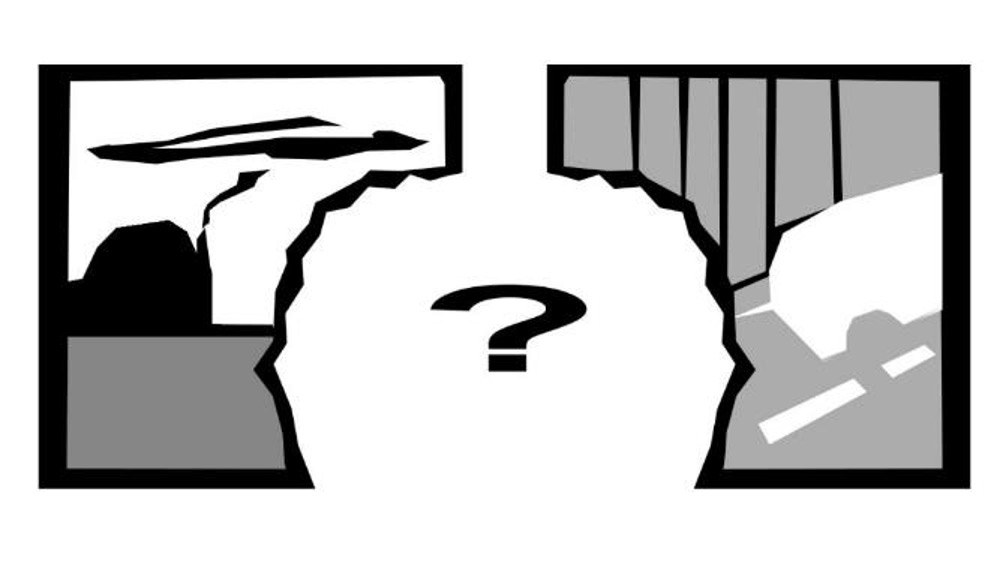
Mobility during confinement was diluted into its very basics and gradually took another shape. In just a few hours, an optimized logistic ecosystem was emerging and transforming the city into a new type of mobility platform with all social activity and human interaction kept behind walls. Immobilized citizens relied to all available services reaching out to them. An inverse paradigm: the definition of mobility segregation.
By being limited in our district, we became observers of movement through our windows. An unusual new experience took place, since we mostly spend our time on the other side of mobility: the moving one, looking through the window of a car, bus, or tram at the cityscape.
The contrast arising during confinement is stunning since for one moment we believed that we have passed on the other side and we are now part of the static scape observing the path of mobility. What seems to be devastating though, is that feeling of not being in charge any more of anything that moves. It feels like we’ve delegated to mobile devices all our needs and we expect to be served: an optimized autonomous mobility scenario.
On the verge of autonomous vehicles and while pioneering technology is put in place by new tech industrial participants, Covid-19 draws a different picture of future mobility. Observing and serving mobility now becomes the purpose. This new perception of surroundings is maybe the paradigm shift in our mobile history that will bring about new applications, perceptions and codes. It is the new frontier.


