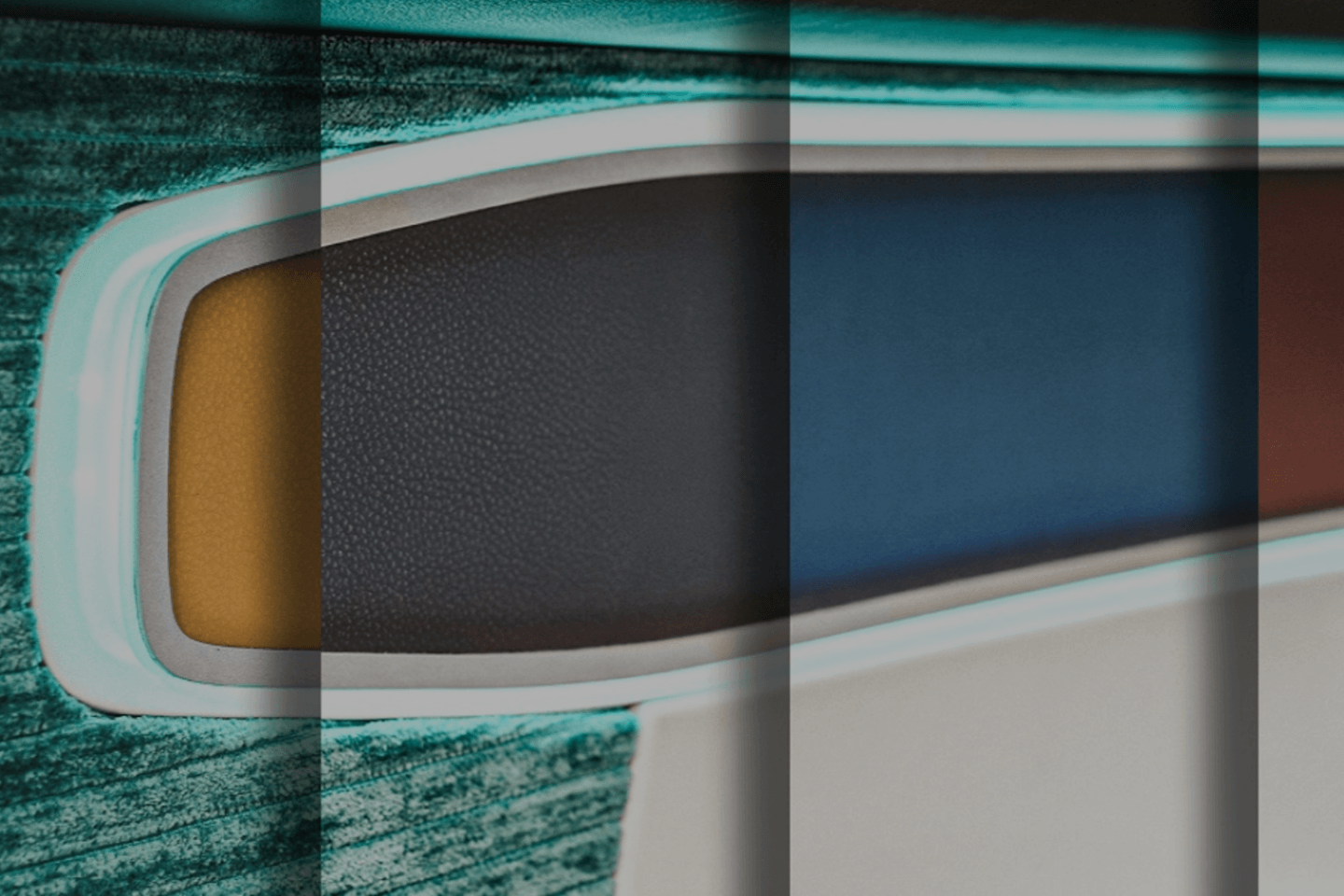
This is on week’s interesting story on the materials/HMI side. On The Centum concept, Marquardt integrates an E Ink display beneath a premium haptic surface using a transparent film developed by Covestro with INSQIN technology and Impranil DLC-F, turning “display-in-surface” into a more realistic material and process story.
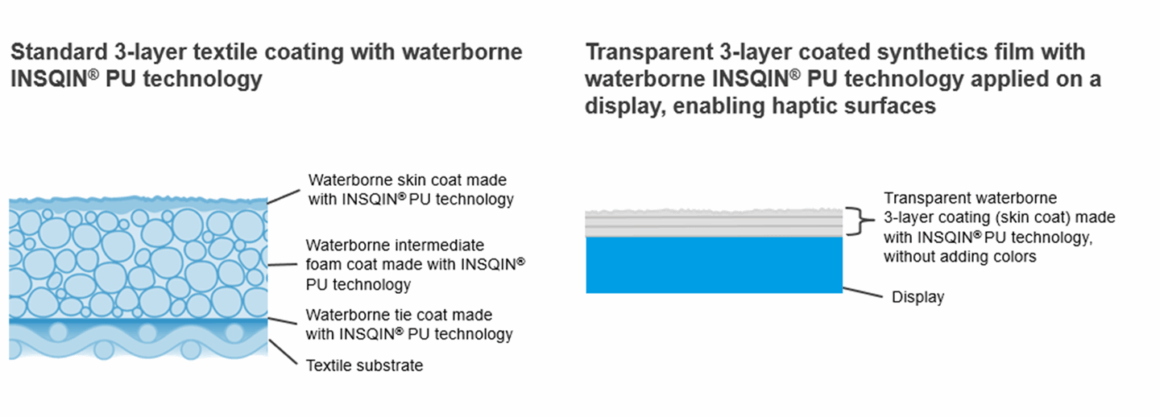
The key point is the surface layer. Marquardt wanted to integrate an e-paper display into a door trim panel without losing the tactile and visual qualities of a PU-coated automotive synthetic textile. The technical bottleneck was therefore a surface that had to be haptic, transparent, and still compliant with core automotive requirements: abrasion resistance, hydrolysis resistance, flexibility, durability, and low emissions.
Covestro addressed that with a transparent coated film based on its waterborne INSQIN PU technology, using Impranil DLC-F as the coating basis. The result allows the E Ink colors to remain visible while preserving the material logic of a premium interior trim. This is a surface architecture that turns trim into interface without defaulting to black panels.
The display is not merely placed on top of the surface. It is “absorbed” by it. That is what makes the concept relevant for door panels, decorative inserts, or diffuse control zones. E Ink also brings a low-power solution suited to adaptive or event-based visual output.
Given this promising context, my question remains: in terms of design freedom, based on this particularly innovative concept, when might we see the potential of 3D shape ?
Références : Covestro, case study “The Centum” ; Covestro Techtextil 2026.


