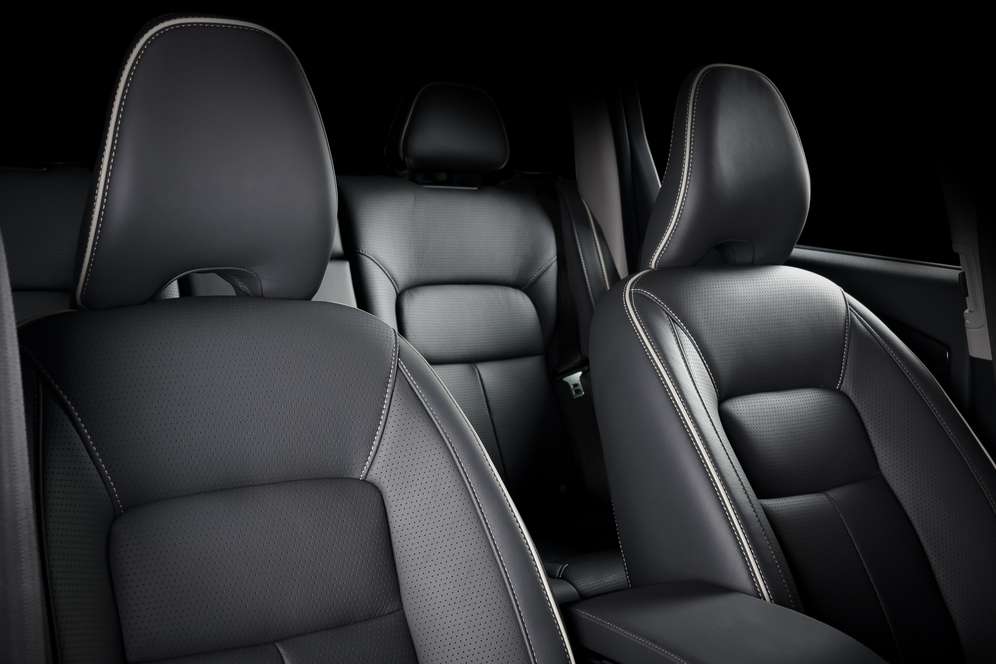
It can take 15 kg of foam or more per car to deliver the levels of comfort expected today. But integrations like heating, air conditioning, lumbar support and airbags are taking up more space from foam. Meanwhile, sleek, thin seats are increasingly fashionable. In spite of this trend the comfort in seating should continuously increase.
Huntsman’s Rubiflex® MDI-based product line provides unique properties with a high-performance seating foam. Compared to TDI, MDI offers increased comfort throughout the lifetime of the foam.
Rubiflex polyurethane systems can help to get a smooth and soft initial feeling, provide an excellent support when someone changes his position in the seat and can also meet the needs of a broad range of drivers and passengers across different ages, weights and builds. Rubiflex gradient hardness polyurethane systems maintain a difference in hardness between the top and middle foam layer, while still remaining one uniform foam piece. This provides good body support and pressure distribution, leading to high comfort across the vehicle’s lifetime.
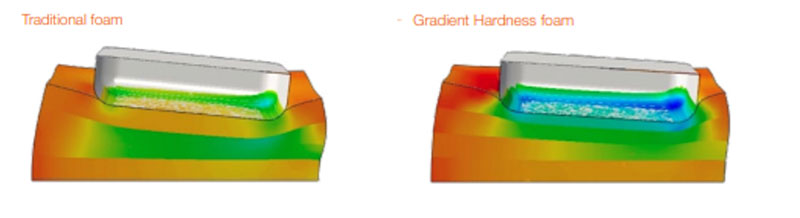
The vibration damping characteristics of this technology open up possibilities to design thin seats or a different seat structure to improve the in-vehicle package. These solutions also contribute to improving the indoor air quality while reducing VOC emissions and odor.
On Huntsman’s development roadmap is a one-piece seat, where the seat back, seat cushion and headrest are integrated in one piece with a variety of hardness. They are also working on ultra-thin seats with increased comfort and reduced weight, and investigating the integration of electronics and foam for control, safety and entertainment.

Huntsman was selected as Mazda’s partner in its quest for a comfortable seating system. From seating covers and foam pads to springs and frames, Mazda needed multiple elements to work together seamlessly to support the body and deliver true comfort. Meeting all of Mazda’s comfort and pressure distribution requirements in a single foam, Rubiflex HR GH polyurethane system requires no extra bonding, which helps to keep material and processing costs down. The material has subsequently been used in the new Mazda 3 and has received positive press reviews.


