British inventor and entrepreneur James Dyson said he killed off his electric car project after it became clear he would have to charge over £150,000 (€166,600) for the vehicle to make a profit on it.
The billionaire businessman said in 2017 that he planned to develop and sell an EV by 2021, creating anticipation that he might shake up the car industry the same way as he had disrupted the household appliance market with his bagless vacuum cleaner.
Dyson canceled the car last October, saying the project was being scrapped because it was not commercially viable, not because of any failures in research and development.
In his first public comments since the cancelation, Dyson told the Sunday Times that the project cost him £500m of his own money. “There’s huge sadness and disappointment. Ours is a life of risk and of failure. We try things and they fail,” he said in an interview published on Sunday.
Dyson had hired talent from across the industry for the project, including former BMW and Infiniti executive Roland Krueger. He planned to invest £2.5b to develop the car and build it in a new factory in Singapore.
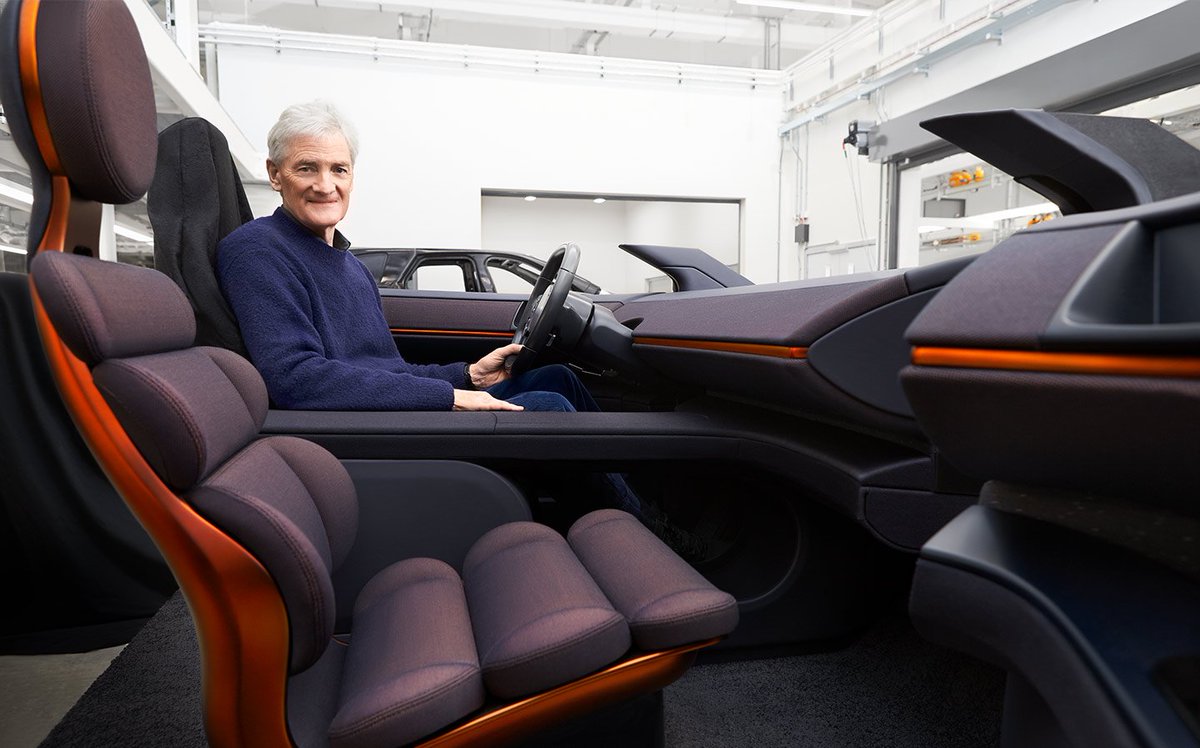
The Sunday Times interview included a profile picture of a 7-seater SUV minimalist interior. The interior of the car highlights Dyson’s interest in improving car seats, which in his model are ribbed with a focus on side-support. “I hate those armchair-style seats you sink into,” Dyson said of conventional car seats.
Much of the dashboard information in the Dyson model would have been displayed as a hologram, possibly a version of the traditional head-up display.
Dyson also did not rule out building another car. “I would not say no, but the commercial circumstances would have to be to right. The garage door never closes,” he said. Many of the 500 people employed to develop the car have been found jobs elsewhere in the company, Dyson said.


