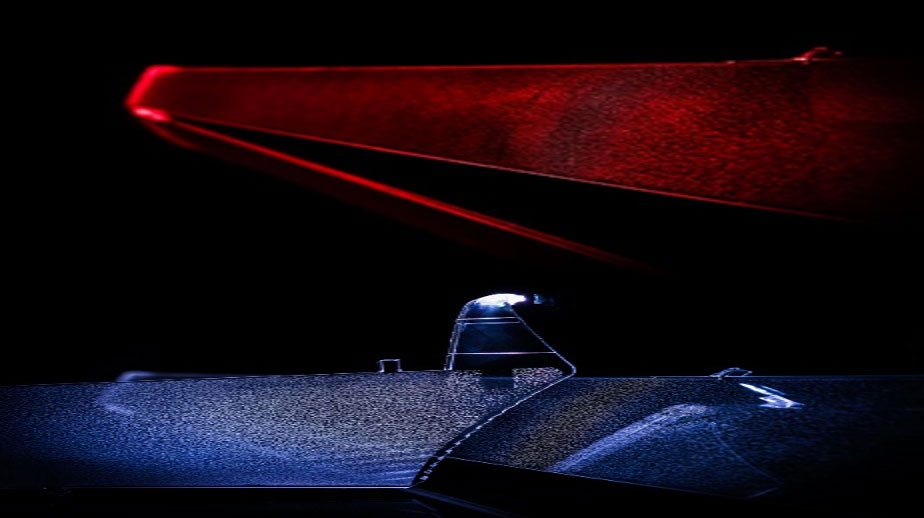
Weidplas, headquartered in Switzerland, have a new, powerful light simulation program called Optiback, to compute microstructures for 2D- and 3D-shaped light guides with an automatic optimization process for light effects. The result of this light simulation is a light guide with a highly efficient light output with a minimum number of LEDs. The packages of the light guides can be very flat and the light distributions are homogeneous or light patterns on styling demand.
Figure 1: 3D-shaped light guides with one and two low power LEDs for homogeneous backlighting of a vehicle width decorative trim in the instrument panel
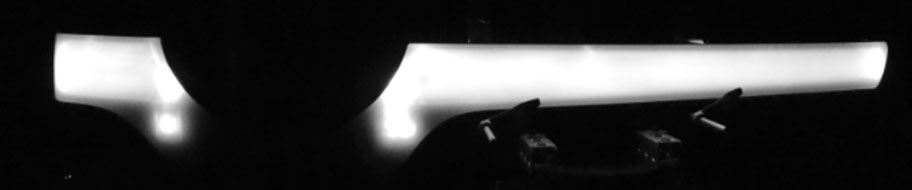
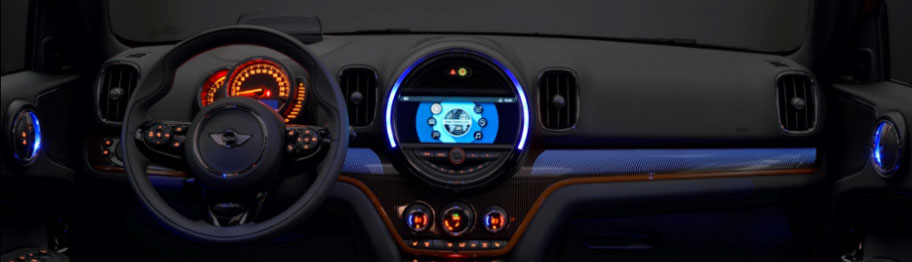
Figure 2: The sill plate has an overall height of < 5mm with a slim light guide (height 1.5mm) and 3 million microstructure elements for a uniform illuminated company logo with low power LEDs (20mA) at one side of the light guide.
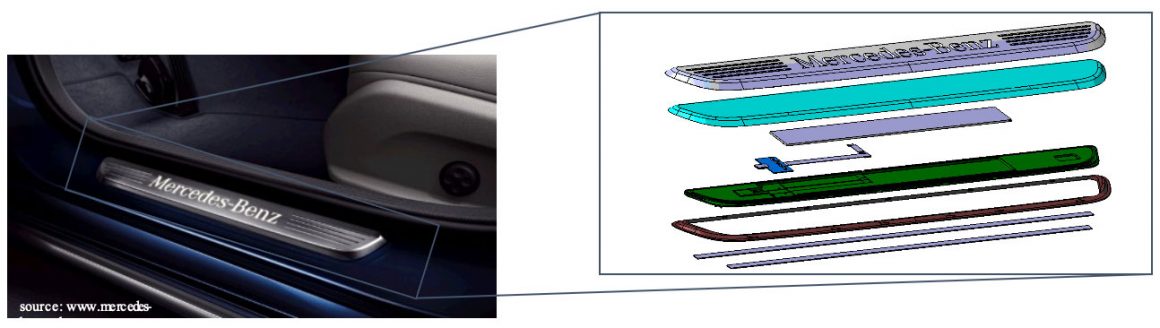
Figure 3: Microstructures with a nearly invisible size of a few µm
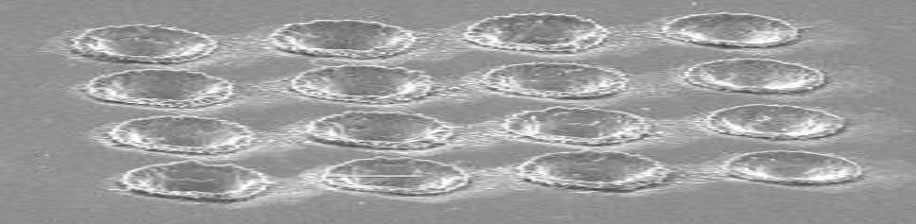
The Optiback light simulation software can compute millions of microstructures with a size of only a few µm. The light guides can be very thin (< 1mm feasible), up to a few meters long, produced in an injection molding process in 2D or 3D geometry with hard and soft materials. The structuring is homogeneous or styling driven with tool insert or laser induced, full or focused on the light areas of interest.


