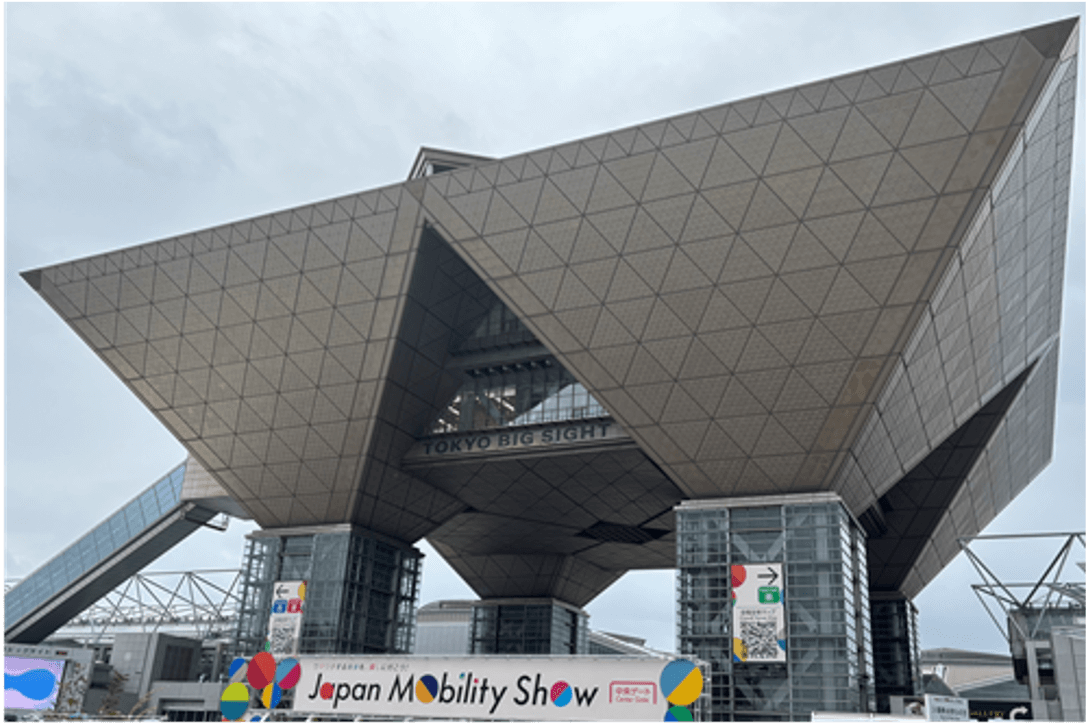
The Japan Mobility Show was held at Tokyo Big Sight for 11 days from 30 October to 9 November, 2025, under the theme “Let’s go find an exciting future!”. The event showcased future mobility and related technologies, allowing visitors to experience the latest trends in the automotive industry. 1.01 million visitors attended.
Toyota Group (Century, Lexus, Toyota, Daihatsu), Nissan, Subaru, Suzuki, Honda, Mazda, Hino, and Sharp all unveiled upcoming vehicles and concept cars. From overseas, Kia and BYD unveiled attractive new cars that will be sold in Japan in a couple of years. A Mercedes-Benz van concept was also unveiled for the first time in Japan, with the hopes of breaking the Toyota Alphard’s stronghold.
All in all, 35 vehicle premieres were shown on stage:

Century


Century, formerly a hyper-prestige Japan-only Toyota model range, will become an independent brand positioned above Lexus; the idea being that Toyota’s luxury car brand is Lexus, while Century is a car in a class of its own. Sedan, two-box, and coupé models will be available. The interior features LED lighting separating the driver’s seat and passenger seat. RGB Ambient lighting is located above the doors, extending from all seats to the rear seats. The driver’s seat is designed for ease of driving, with all control switches located on the steering wheel. The passenger seat has an ottoman where you can rest your feet, and a relaxing space with its own screen.
Lexus LS concept


Here’s a premium three-row minivan with a new package, with the LS as a chauffeur car. This LS is not a luxury sedan, but a luxury space, and there are six wheels instead of four. With a spacious interior and smooth entry and exit, everybody is invited into own private space – a true sanctuary, just like at home. It is a whole new type of ultrapremium car. To enter and exit is possible at both the second and third rows at the same time. The idea for this six-wheel design came from the lunar cruiser Toyota are developing, and the idea that the LS would be made into a chauffeur-driven car that could be driven on Earth rather than on the moon.
The cockpit is spacious, with three LCD displays in front of the wheelbase, and the images from the door mirror cameras are projected in front of the windows.
Lexus LS Coupé concept


This crossover-style four-door coupe model combines a high-quality, formal appearance with dynamic emotion, a sporty, taut exterior, and a spacious interior. The doors open like double doors, and despite the sporty exterior, the interior is spacious. The cockpit is fitted with two LCD displays in front of the steering wheel. It is also possible to install a horizontal display in front of the passenger seat. The interior space allows each passenger to enjoy their own unique experience. The large, surface-emitting ambient lights on the doors are eye-catching.
Lexus Sport concept


The cockpit is designed with the driver at the center. The steering wheel is reminiscent of an airplane’s control stick, and the LCD screen on the front is arranged on three sides like a butterfly with its wings spread, allowing all controls to be operated, a new concept design from Lexus.
Toyota Corolla concept


Three LCD screens are placed across the entire steering wheel, with the digital meters in the middle and controls on either side, like a butterfly spreading its wings. The aim is to provide different and optimal value for the driver, passenger, and rear passengers. The cockpit has a driving module, allowing the driver to concentrate on driving. The passenger seat is spacious and open, with a dedicateddisplay in front of the seat and speakers built into the headrests, allowing for entertainment. It offers a truly comfortable space exclusively for the passenger seat. The rear seats are enclosed and offer a relaxing lounge-like space, and the interior as a whole expresses a warm and advanced feel.
Toyota HiAce concept

The HiAce is a commercial van model that has been loved around the world since 1967. It will be converted to a semi-cabover style. When you open the passenger door and the passenger side sliding door, the B-pillar is eliminated, revealing a large opening.
The entire car has a futuristic, seamless design. The rear has simple straight lines on both sides, designed to not interfere with opening and closing the rear doors. The passenger door has an LCD panel built in, which allows you to send messages to people outside. The steering wheel and a long, narrow control panel with all the control switches are integrated, and a long, narrow LCD screen is placed below the front window to display all information, giving the car a clean impression.
Toyota Kayoibako (“Tote Box”)

The Kayoibako aims for a future of mobility where people can do what they want, when they want, where they want. It’s an ‘ultra-expandable’ model that responds to diverse social issues and individual needs. The goal was to create a simple structure that meets local needs, creates local jobs, continues to grow, and can be assembled and repaired by anyone.
The cockpit has switches mounted in front of the steering wheel, and a long, thin LCD display mounted at the bottom of the front window that displays information such as speed and navigation.
Toyota Land Cruiser FJ

The Land Cruiser FJ was developed as a compact and agile model. The cockpit has a horizontal layout that allows for instant recognition and steering in a variety of driving environments, making it easy to drive, and the LCD meters and LCD navigation system are also located within it. The switches are arranged in an easy-to-understand manner, making them easy to operate intuitively.
Daihatsu K-Vision


This model has a square, boxy design – plain, yet not too simple. The interior is based on a modern light gray color scheme, and warm-colored ambient lighting is placed on the instrument panel and door trim, giving it a high-quality finish that goes beyond that of a minicar. The instrument panel has ambient lighting positioned at the back to create a sense of perspective, and the front is horizontal and flat like a tray, providing space for luggage. The infotainment system display is located in the center, and the meters are also thin LCDs, which helps to emphasize visibility, convenience, and a sense of modernity.
Daihatsu Kayoibako-K

Toyota have developed their Kayoibako family, including the Toyota Kayoibako described above, which is small enough to be used as a taxi, and the Daihatsu Kayoibako-K, a light commercial van. As commercial vehicles are generally produced in small quantities and with a wide variety of models, Toyota say they want to present a broad range of variations, which is why they exhibited multiple concept cars. The cockpit is similar to Toyota’s Kayoibako, with the steering and controls designed to be integrated. A small LCD display meter is installed at the front.
Daihatsu Midget X concept

This distinctive 1+2 layout creates a new kind of vehicle. It’s designed as a battery electric light vehicle, developed with the aim of being a child-carrying bicycle for carrying a child on the back. The eye level when sitting in the central driver’s seat and the eye level of the two rear seats, which are positioned slightly further back and shaped like child seats, both are designed to be the same height as when sitting on a city bike.
Hino Poncho Dot


This is a concept car for multi-purpose mobility, cnceived to make local mobility more free and flexible. It’s based on the small Hino Dutro Z EV electric truck, a compact vehicle that can transport people and goods together and contribute to solving local mobility issues. The cockpit is simple and easy to drive, incorporating many circles.
Mazda Vision X Coupé


Here’s a four-door sports coupé with a plug-in hybrid system that combines a two-rotor turbo rotary engine, electric motor, and battery, and is also equipped with carbon-neutral fuel and CO₂ recovery technology.
The cockpit has a very simple horizontal theme, with a round triple meter set in front of the driver, reminiscent of an airplane’s instruments. The center meter is placed wide, extending from the meter display to near the passenger seat, and displays a side view of the car. The interior is a four-seaterwith a large center console separating the rear seats, and the rear seats also appear to be very comfortable.
Mazda Vision X Compact


It was explained that the car combines a digitized human body and emotional model of human sensations with “empathetic AI”, allowing the car to understand the driver’s feelings and actions as if they were a close friend, aiming for a new driving experience in which the world expands.
The main theme of the interior is ‘immersive unity’, and the inside-out design, in which the body color runs throughout the car, creates a space where the inside and outside feel naturally connected, making you feel like you are close to the car. Information on displays and other devices is concentrated in an area that requires as little eye movement as possible, allowing the driver to immerse themselves in driving, and the LCD display is compact enough that a driver’s smartphone could fit inside the steerin g wheel.
Subaru Trail Seeker


This is Subaru’s second BEV. The interior design concept is to combine advanced, easy-to-use functionality with simple, modern design, creating a space that is both fun and relaxing. The low instrument panel provides good visibility of the front and creates an open, spacious feel. The 7-inch LCD screen is positioned higher than the steering wheel and sI easy to see from a distance. This allows the driver to instantly see information while looking ahead while driving, with minimal eye movement.
The ambient lighting changes color in conjunction with the drive mode, and there are 64 colors to choose from.
Suzuki Visio e-Sky

This BEV kei car, Suzuki’s first, has a boxy, angular body with a sleek, no-grille front. Its design is typical of Suzuki. The interior and cockpit area are designed to create a rounded space. This creates a relaxing, calming feeling and also makes the interior appear spacious. There is a large tray in front of the window, which also aims to make it easier to use. Because kei cars are narrow, the tray and meter LCD are integrated to create a floating feeling, giving the impression of spaciousness.
Suzuki Victoris

The interior is designed to combine modern styling with everyday comfort, and features a meticulously crafted instrument panel design and LED interior illumination with a choice of 64 colors, creating a stylish atmosphere.
Nissan Elgrand


The interior features a large, 14.3-inch center display and a wide, high console that ensures a wide field of view. At the same time, it further enhances the owner’s satisfaction. The electrostatic switches are integrated into the wood-grain panel. The meter display shows the motor output control and brake operation status, allowing the driver to visually check the control status. The car is also equipped with ambient lighting that extends from the dashboard to the door trim. The illumination extends continuously from the instrument panel to the doors, enveloping the occupants. It is indirect lighting that can be set to any of 64 colors.
Nissan Ariya


The cockpit has a simple design with two LCD displays placed in front of the steering wheel.
There are white ambient lights in the doors and in the center of the footwell.
Nissan Micra

The interior follows the common theme of previous models, a simple, understated yet elegant design, and expresses a Japanese feel through subtle design features such as the Mount Fuji motif in the front seat storage compartment. A 10.1-inch display behind the steering wheel provides the driver with all the information they need to drive, while a similarly sized touchscreen display in the center of the instrument panel provides smooth access to navigation, audio, phone operations, and more.
Nissan Roox

The interior is designed to create a sense of openness the moment you step inside. The seamless space created by the 12.3-inch integrated interface display delivers a high-quality ride that surpasses that of conventional minicars. The speedometer and other parts also incorporate a playful design motif of a “rounded square.”
Mitsubishi Elevance concept


This electric crossover SUV is designed to enhance the quality of the driving experience. Its 4WD S-AWC system delivers comfortable and powerful driving, from urban areas to nature. The instrument panel, door trim, and floor all fit together in a seamless shell shape, creating a unified space throughout the interior, creating a visually pleasing and high-quality atmosphere, and providing a sense of security and comfort that envelops all occupants. The instrument panel is fitted with a large monitor that stretches from the driver’s seat to the passenger seat, clearly communicating to the driver the situation around the vehicle, including blind spots in front of the vehicle that cannot normally be seen directly. This allows for safe and secure driving even on rough roads where there is a risk of damage to the floor panel.
Honda 0 saloon concept


The cockpit is simple with a horizontal theme, and features a large, horizontally long LCD display, which houses all the control switches and navigation system. The displays on the left and right edges show images from cameras mounted in the side mirrors. Ambient lighting is available throughout the interior, at the front, sides, top, bottom, and center console, and can be adjusted according to mode and preference. Music can also be synchronized.
Honda 0 SUV concept

The cockpit is simple, with a horizontal theme. The entire area is covered by an LCD display, which houses all the control switches and navigation system, and the displays on the left and right edges show images from cameras mounted in the left and right door mirror positions.
Honda N-One e

This is Honda’s first BEV kei car. The interior and cockpit cannot be expensive because it is a kei car, but it has a simple and clean design with a horizontal LCD screen.
Honda Micro EV


The compact body proportions and short front and rear overhangs suggest a minimalist stance aimed at short-distance travel in urban areas. The minimalist design, stripped away from the exterior and interior, the two-seater seating arrangement, and the layout with only a steering wheel and a centrally placed smartphone instead of a speedometer, make this micro-EV a standout feature. The concept of displaying information on a smartphone is what makes it stand out. A digital display strip integrated into the dashboard displays simple navigation prompts.
Sharp LDK+


This is an improved version of the Model A EV made by Sharp’s parent company, Foxconn, and is scheduled to enter the market in fiscal 2027. The concept is ‘Part of your home’, where the car becomes part of the house or another room. A console box equipped with a table and projector is located between the driver’s seat and passenger seat. The driver’s seat can be rotated backwards to face the rear seats, creating a living space. A roll-up screen is installed above the rear seats, and when lowered, movies can be enjoyed on the big screen or online meetings can be held. The LED lighting on the interior ceiling can change color to reflect the earth’s rhythm.
Mercedes-Benz Vision V

Teasing a possible future of Mercedes vans, the Vision V is configured as a mobile luxury private lounge. It combines luxury and immersive experiences in a spacious space, proposing a new value in the form of a private lounge. It’s built on the maker’s Van Electric Architecture, which will come onstream in 2026. An intelligent, switchable glass wall separates the private lounge from the driver’s seat, and the glass can be switched from transparent to opaque, fully or partially, as needed.
Kia PV5


The PV5 BEV, scheduled for introduction in Japan in spring 2026, was unveiled for the first time in Japan. The cockpit is simple, with an LCD meter in front of the steering wheel and an LCD for the navigation system next to it. The shift lever is located below and to the right of the steering wheel.


