Analysis by Laurent Sérezat DVN-I Interior senior consultant
I still remember the day we integrated our very first screen into a handset. It was revolutionary. It felt like opening a window onto the future.
Twenty-five years later, that window has become a wall. How far will we go in this digital saturation?
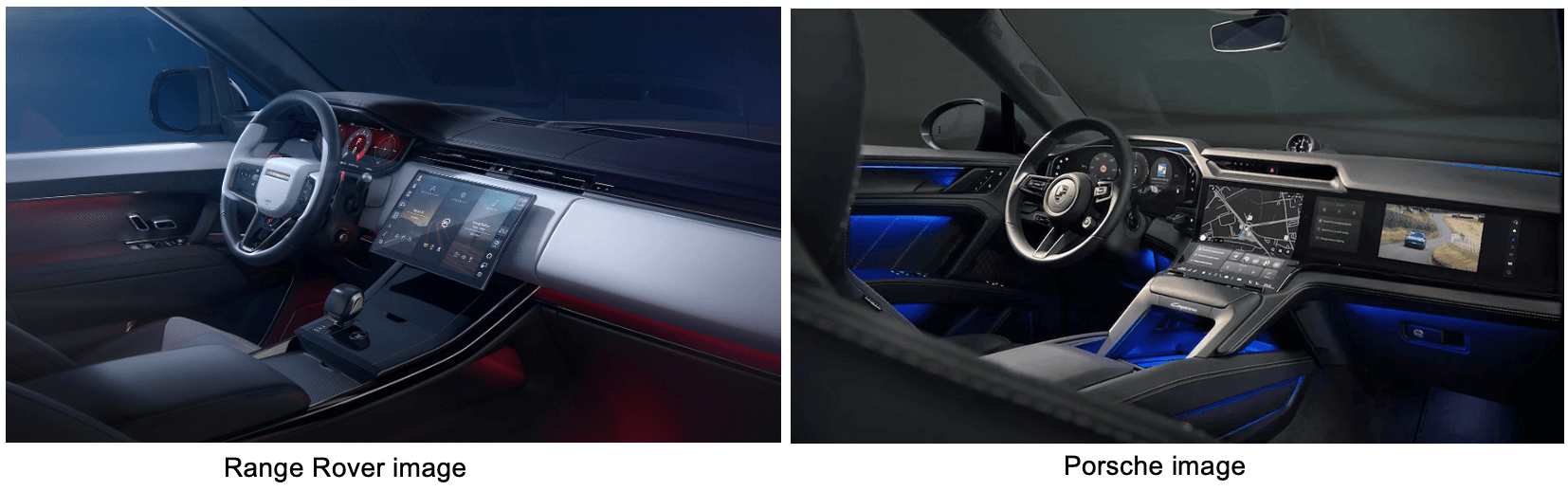
Take a look at the new Porsche Cayenne Electric. A bendable ‘Flow Display’, a ‘Ferry Pad’ to stabilise your hand, three screens that communicate with each other and a voice that responds to everything, even your restaurant preferences. It’s spectacular, undeniably. But when you get out of the car, you’re left with a strange feeling: that of having left an interface rather than a passenger compartment. Everything is designed for efficiency, nothing for letting go. It’s a cockpit – brilliant, but demanding. You admire the technology, you almost forget the journey.
At the other end of the spectrum, the Range Rover Sport SV Carbon reminds me why British luxury has always had the edge over ‘too much’. Forged carbon, moonlight chrome finishes, Windsor leather: everything is just right, measured, balanced. Even the ‘Body and Soul Seat’ reflects this subtle approach to technology – it doesn’t impose itself so much as it is felt. Sound becomes matter, emotion becomes ergonomics.
In short, it is a sensory, non-intrusive technology that serves a physical and intimate emotion, where innovation takes a back seat to feeling.
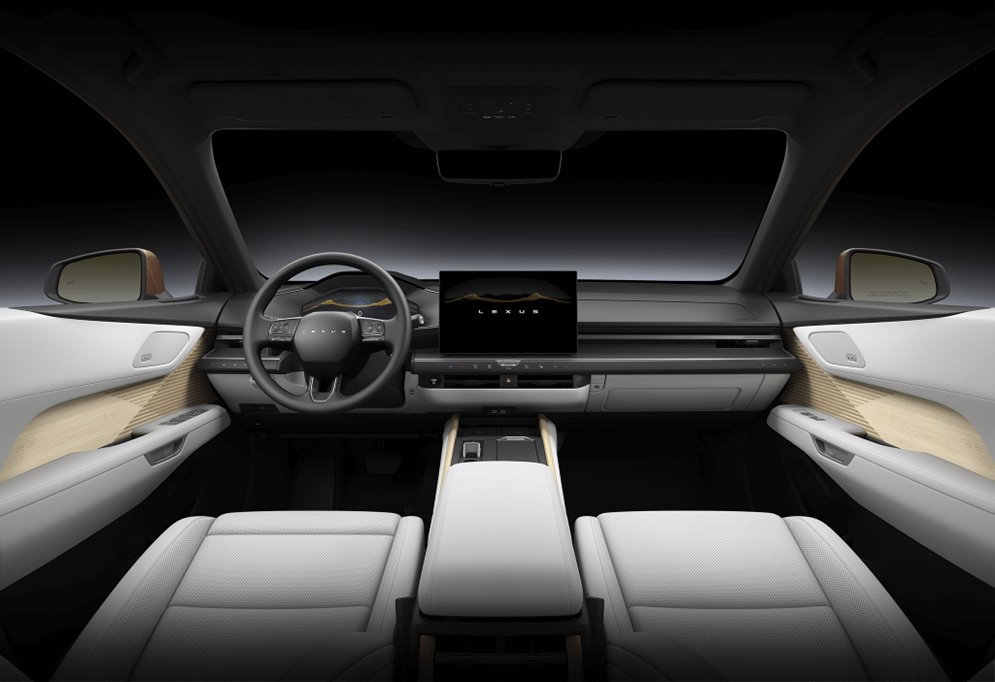
And then there is the Lexus ES, which dares to be radically calm. The Tazuna concept, the ‘responsive hidden switches’ that wake up to a gesture, the light that matches the sound and the scent; we no longer drive, we breathe. Here, technology becomes invisible. It aligns itself with the rhythm of the human body, not the other way around.
This is undoubtedly the most modern of the three proposals: that of wellbeing, electrified in the literal sense.
I believe that our industry is reaching a turning point. We can do anything now. True luxury is no longer about display, but about attention. The interior design of tomorrow will have to learn to listen again.
What if the next interior revolution consisted not in showing more, but in imposing less?


