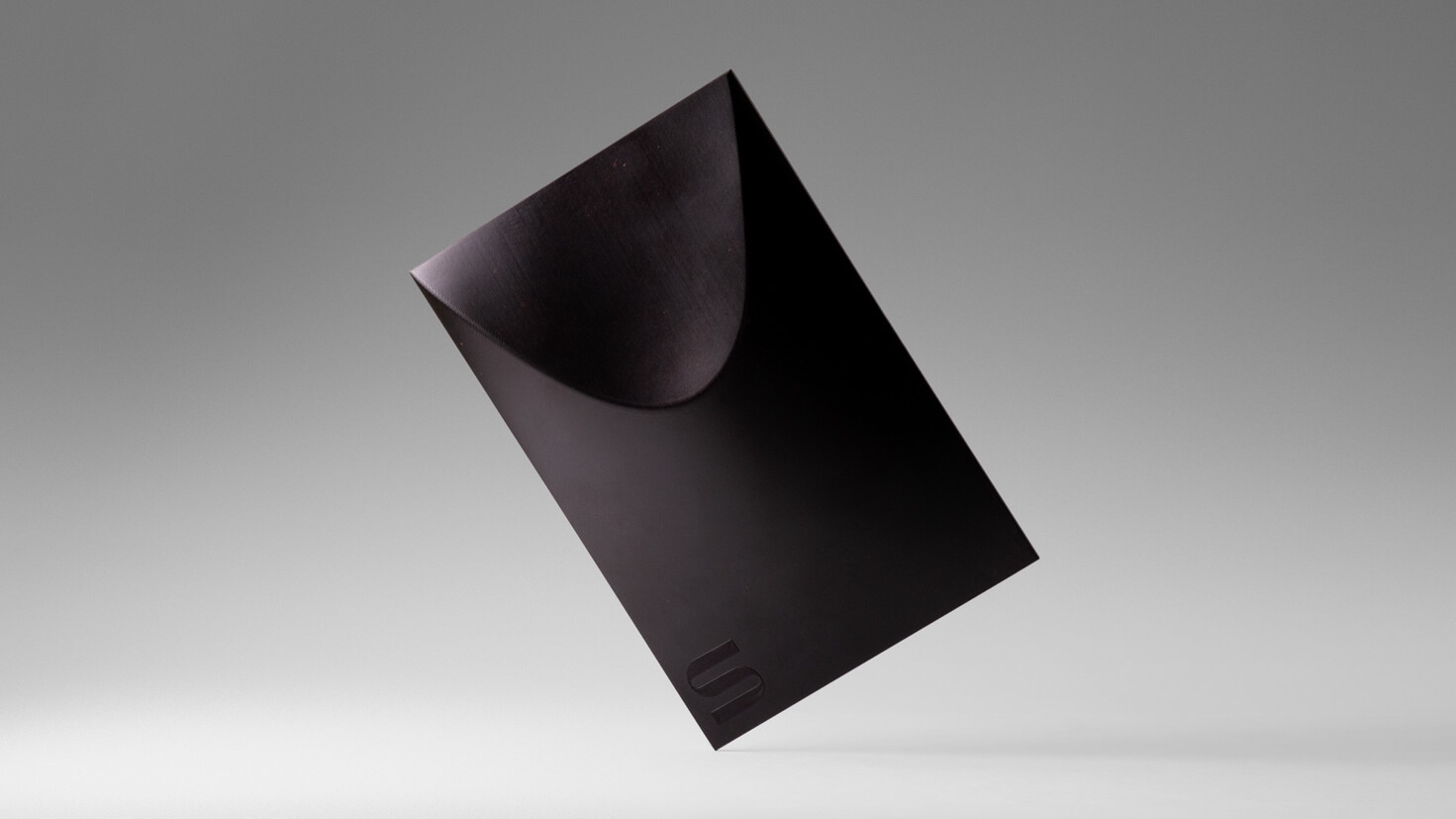
PaperShell is a Sweden based startup founded in 2021 on an idea from 2018. Their products are produced from FSC-certified craft paper impregnated with a bio-based binder. It is sourced entirely from biological residues from Nordic forestry and agricultural industries, reflecting a commitment to eco-friendly innovation.
It is bio-based, and fossil-free, but that’s not all; when correctly processed via pyrolysis, PaperShell can return to the earth as high-grade biochar, a carbon-rich substance that captures CO2 and promotes soil regeneration. This makes it potentially carbon-negative at the end of life. Currently, PaperShell supplies biochar to plant nurseries, where it is used to enhance soil quality and plant growth.
They have a core belief that the solution to the climate crisis and a sustainable management of resources is found in nature. They are building paper back into a more resistant version of wood.
The goal is to offer sustainable, high tech, long lasting and load bearing B2B components based on ingredients found in wood and plants.
They are engineering wood components with the potential to replace bulk materials like molded wood, plastics (could be car interior trim parts), fiber composites and even metals.

It is already being used in several products, and interesting new areas of usage are being explored.

Within electronics, there is a huge potential to use PaperShell instead of the conventional material for PCB; that would mean zero hazardous chemicals and 78 per cent less CO2 emission.
Since it shares a lot of properties with HPL laminate, it can be used in similar ways. It´s being tested in architecture, even as exterior paneling where the appearance of the material will become nicely greyish over time if left untreated, just like real wood, but without the performance loss.
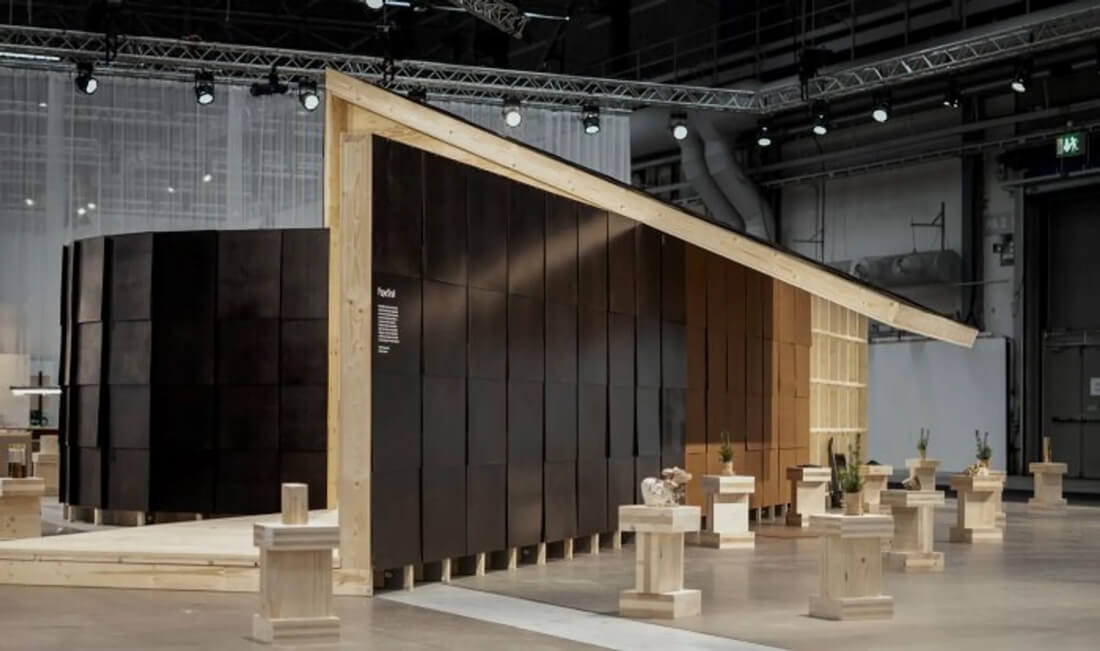
The material can be treated in many different ways to give it unique appearances.
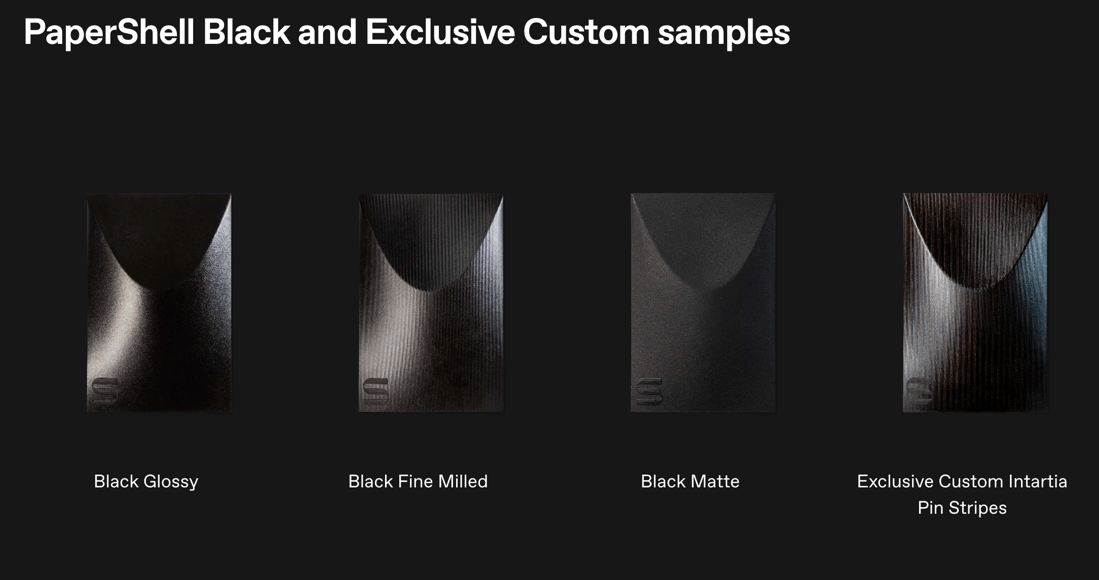
You can see their website for more variations here.
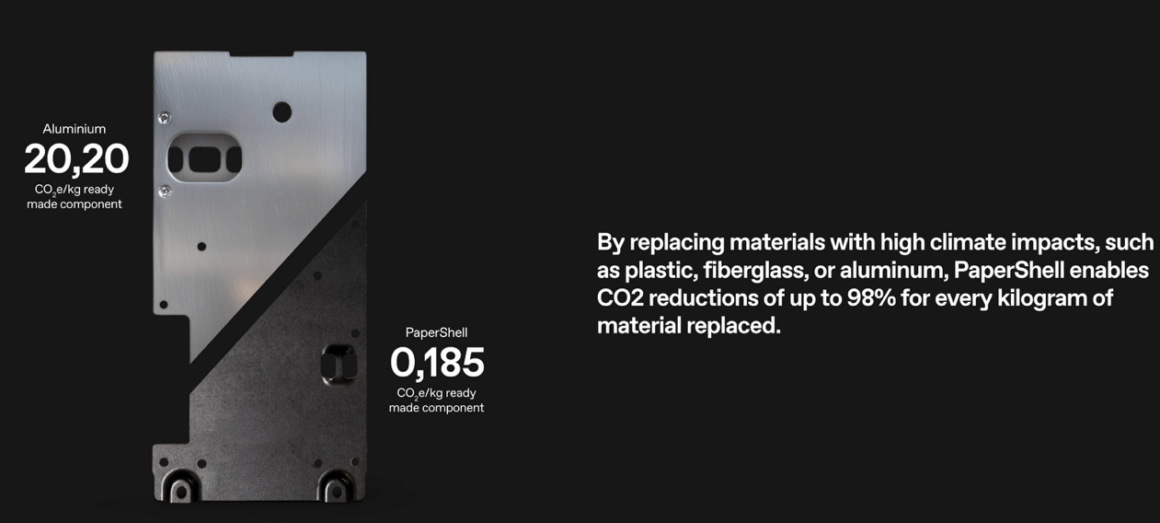
Some examples of PaperShell products already on the market:


PaperShell technology represents a high potential for car interior trim and electronic parts, in a context of new design and sustainability.


