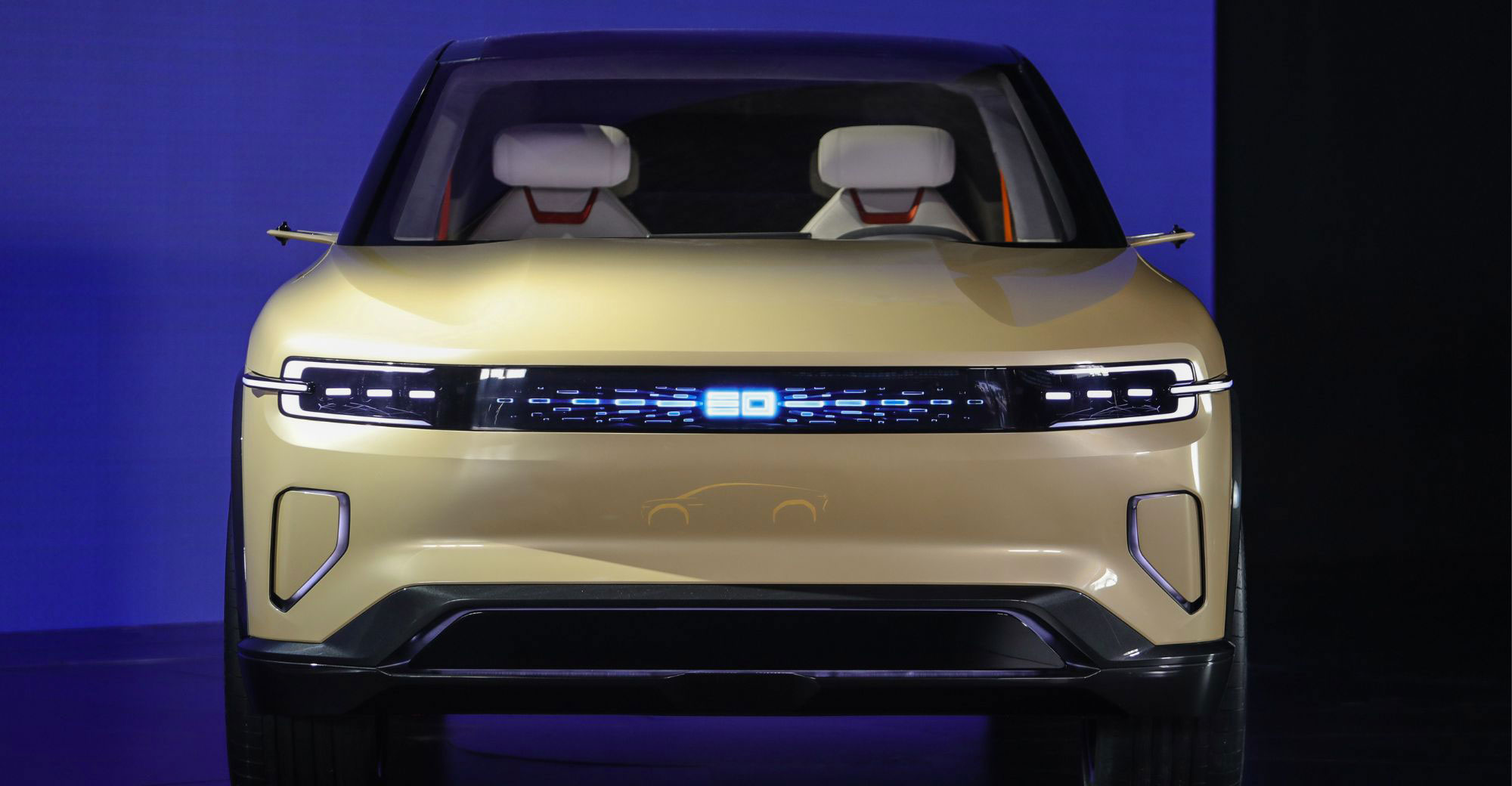
As miniLEDs are becoming more and more prevalent for automotive applications, it is a good time to discuss the various possibilities to control these new applications from electronic side.

Examples of vehicle applications for miniLEDs include lighting products like interactive grilleboards or rear illuminated panels and interior projection lights, and displays used in the interior of the car in dashboards, rear seat entertainment, interior mirrors, and other smaller applications in steering wheels and door panels.

Therefore, different communication channels are implemented in different car applications. Anrui, in their presentation at DVN Shanghai 2024, compared the most popular ones with advantages and disadvantages. It is important to have a look at the communication interface provided by the automaker, on the vehicle, and the communication interface between the controlling electronics (ECU) and the miniLED application.

FPD-Link was created in 1996 as high-speed digital video interface, and has become over years a standard for connecting graphic processors with video screens.
With the introduction of FPD-Link III, it is even possible to have a bidirectional communication interface on the same differential pair.
Especially for automotive applications like navigation systems, in-car entertainment and advanced driver-assistance systems, FPD-link III has become the de facto standard due to the very reliable and EMI resistant communication protocol.
Ethernet T1S has become more and more standard for high-speed automotive communication channels due to its scalability and very reliable and EMC resistant wiring and protocol. The wide usage of Ethernet on the consumer side is also providing chipsets and connectors on high volumes by different suppliers worldwide and with this enabling competitive costs.
Especially by implementing central domain electronics, the Ethernet communication interfaces will enable stable and standardized connections to Ethernet backbones.
Concentrating on the connection between ECU and display the difference is mainly regarding cost and EMC, as the RGB888 interface is mainly affected by the high number of BASE data lines and the TTL level transmission stability. Difference between LVDS and SPI depends more on the needed distance to be bridged resulting in a more stable connection by using LVDS for long distances. For displays with a very high pixel count, LVDS could also be the right solution. Cost wise, SPI is the best solution as chip set, connector and cable are cheaper than for LVDS implementation. So, let’s have a look at the alternatives:

This comparison shows that when the connection between the ECU and the miniLED application is less than 0.5m, Ethernet T1 combined with SPI on application side offers a lot of advantages to control the miniLED application. In most applications, this can be realized by implementing the ECU to the display.


