by Geoff Draper, DVN Regulatory Advisor and former GTB President
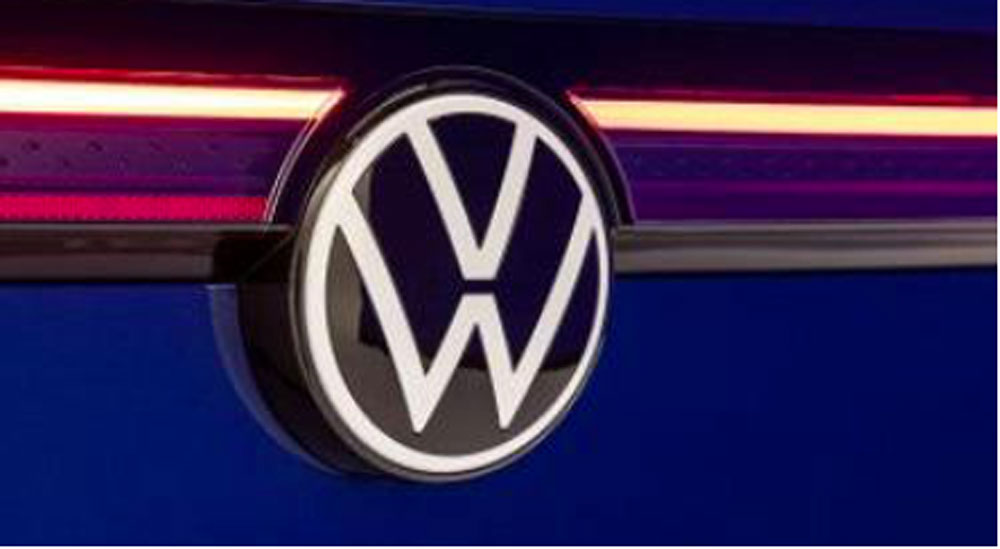
Exterior lighting is evolving towards new functionalities, improved eco-efficiency, better performance, and new designs where lighting plays a central role in the style of the brands and models.Light is a perfect symbol for the mobility of the future. Exterior lit logos are one of the trends to enhance the exterior of the cars that more and more users are demanding.
China was the first region where passenger vehicles with lit emblems and logos appeared on the roads, although they are not included in the Chinese GB Standards. It is not clear, therefore, what basis they’re approved on, but it is likely they are being certified as part of another lighting function. The Chinese SAC/TC114/SC-21 committee, responsible for drafting the GB standards, have started work to develop provisions for these lit logos and it is expected they will follow the outcome of the UN Regulation discussions in GRE.
Unlike the UN regulatory philosophy that anything not specifically allowed is prohibited, the self-certification system in the U.S. and Canada takes the opposite philosophy: anything not specifically prohibited is allowed, so there are no specific requirements for lit logos beyond the general provision that non-mandatory equipment may not “impair the effectiveness” of required equipment.
In countries around the world applying UN Regulations, there is a situation wherein a friendly type-approval authority grants an approval based upon its interpretation of the UN Regulations, but other type-approval authorities do not agree. This situation was introduced to the GRE agenda in April 2019 with a proposal from France and Germany to introduce conditions for the use of logos inside the illuminating surface of a signalling lamp in the UN Regulations 148 and 48. At its April 2019 session, GRE considered this proposal.
Subsequently, France and Germany submitted a modified proposal to the October 2019 GRE session. Several experts expressed their preference to completely prohibit the use of logos inside the lamps on safety concerns, while some others thought road safety would not be compromised, as the lamps should meet all requirements in the respective UN Regulations. Some experts wondered whether the use of letters inside the logos was allowed. Pending the outcome of this discussion, GRE “invited” type approval authorities to refrain from granting type approvals to signalling lamps with logos inside the illuminating surface.
France and Germany submitted a further updated proposal and an updated version will be discussed at the next GRE session, this coming 26-30 April. If GRE adopts the latest proposal from France and Germany at its April 2021 session it will be sent for adoption by WP.29 at its November 2021 session, and the amended regulations will enter force in May 2022. if GRE adopts the proposal in April 2021, the actual working time from April 2019 to May 2022 will have been 25 months!
As a general observation, manufacturers may wish to question the wisdom of seeking approvals based upon a creatively friendly interpretation by a type-approval authority. Of course, such an approval can provide a marketing lead, but the short-term gain of a jump-the-gun approval comes at a cost to everyone of long-term pain; history shows that governments react dyspeptically to such rule-bending, which prolongs and delays the necessary updates of the regulations to allow access to a majority of global markets.


