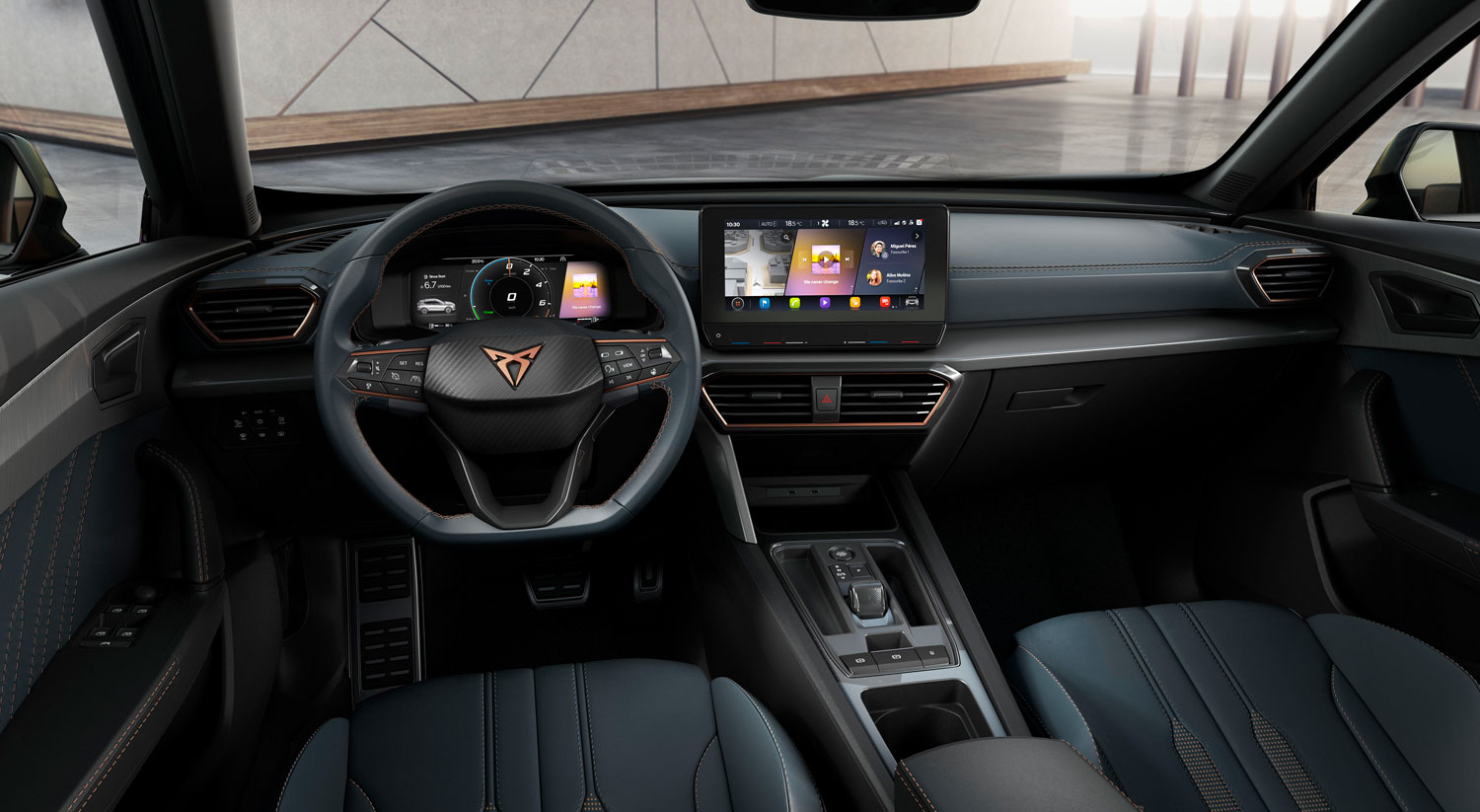
Platform design, is a method used by every automaker to help reduce costs and introduce feature and technology content across their model lines. This quickly becomes very complex as each particular automaker uses these platform architecture techniques along with a feature and level content (base, sport, premium, etc.) that crosses not only brands but also regional, market, and segment needs across the globe. This then becomes a 3-axis matrix that needs to be navigated with variable costs, volumes, and consumer needs.
The challenging questions at hand: what is the best cost-feature solution for each specific segment and how do these items enhance the brand and therefore the sales proposition? Is brand differentiation or vehicle segment differentiation more critical? Here we look at how the VW Group navigates cross platform design for their EU volume brands of Škoda, SEAT, Cupra and Volkswagen regarding the lower-mid segment vehicles. With the inclusion of UX/HMI into all segments and vehicles, this cross-platform approach has become critical on how to achieve the best cost/value results.
VOLKSWAGEN EU
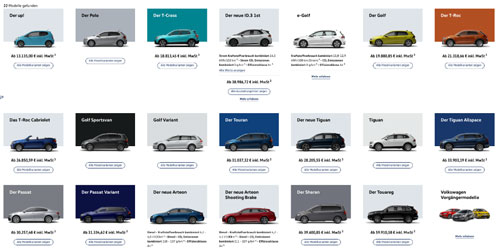
Volkswagen’s 2020 product offering is very broad regarding segmentation, but their vehicles are always positioned as a high-price option per segment just beneath their premium brand of Audi.
Volkswagen’s approach is to use higher quality materials and maximize perceived quality so the VW brand can price their vehicles accordingly. Regarding Volkswagens platform approach generally, it is split with core platform development with Volkswagen for the lower segments and Audi for the upper segments, allowing for some variations in between.
ŠKODA EU
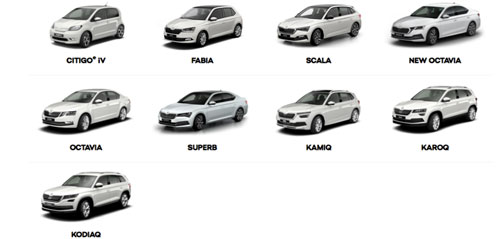
Since Volkswagen’s acquisition of Škoda, the brand has been based upon a high-value-for-price proposition for its vehicles. This was done by using the reliable previous-generation Volkswagen drivetrains that gave the brand a cost/performance advantage. With the large influence of UX/HMI now, this approach cannot be used any longer, for previous-generation UX/HMI elements and systems are not competitive.
SEAT EU
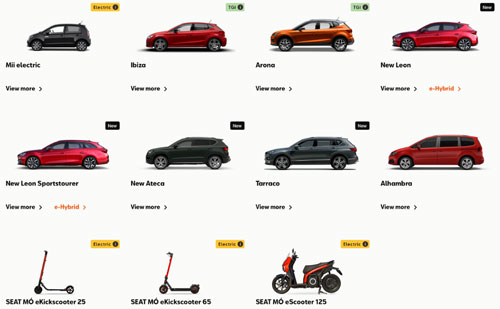
SEAT has been positioned as VW Group’s entry-level sporty and mobility brand, now also venturing with 2-wheeled mobility solutions.
CUPRA EU
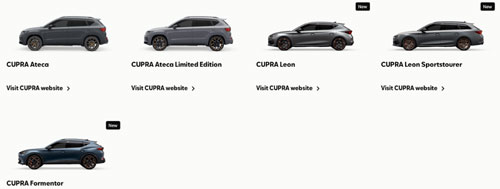
Newest of the VW Group marques, Cupra is being positioned as the new performance upgrade to the SEAT brand. The new Formentor and elBorn evince the maker’s plans for further differentiation from SEAT’s positioning.
With this background positioning of VW Group’s Škoda, SEAT, Cupra and Volkswagen marques, we can now look at the platform executions that are offered by segment, and their priorities.
Entry Level segment (A-Segment) vehicles
For the A-segment vehicles the Volkswagen UP, SEAT Mii, and Škoda Citigo iV share all of the core underpinnings with only small visual differentiations on the exteriors.
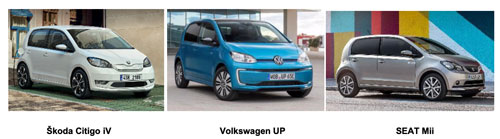
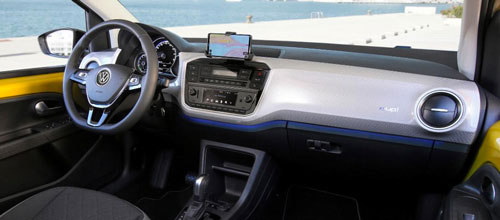
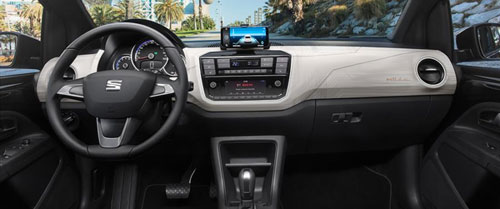
Price is critical for A-segment vehicles, so for the interior designs and feature content the three brands are identical. The UX/HMI uses a smartphone holder instead of an integral high-resolution display, and only color & material options are used to differentiate the brands while also adding upgrade potential.
Entry SUV segment (CUV-Segment) vehicles

SEAT Arona Volkswagen T-Cross Škoda Kamiq Cupra Ateca Cupra Formentor
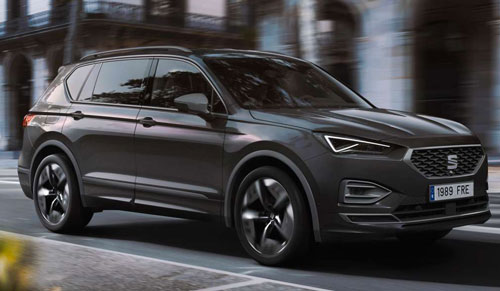
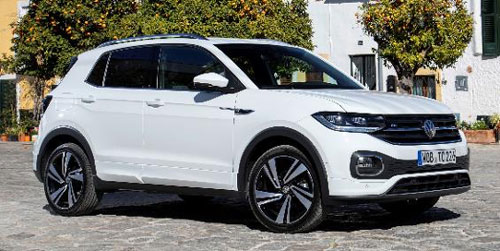
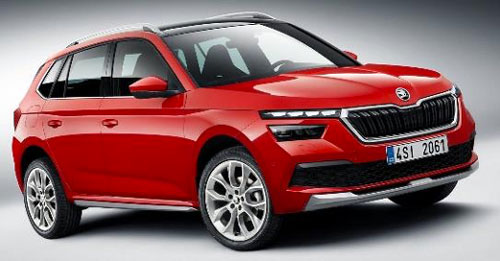
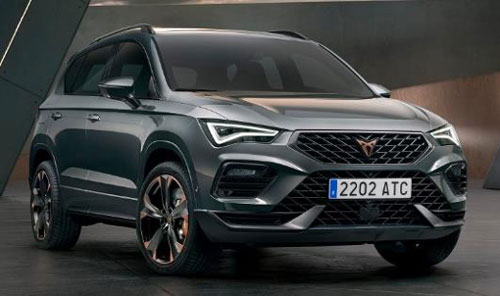
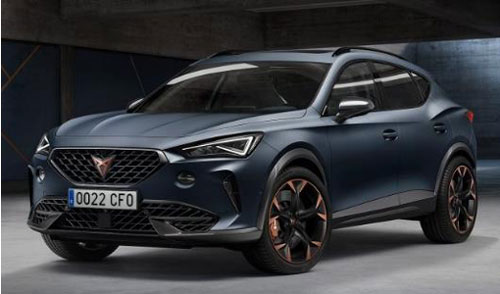
Initially defined by the Nissan Juke and Renault Captur, this has been the newest and highest growth segment in Europe. Currently it is rapidly expanding with additions such as the Cupra Formentor.
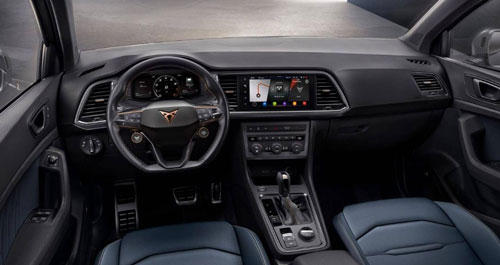
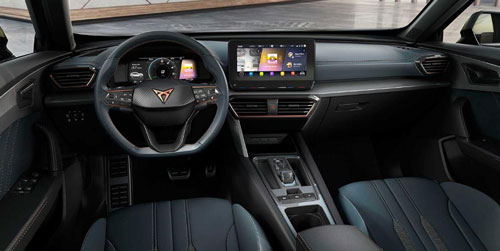
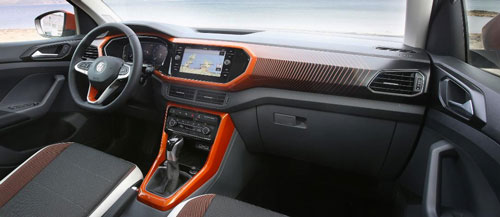
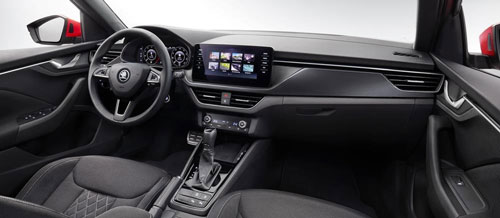
Comparing the Cupra Ateca to the newest Formentor reveals the transition from VW Group’s previous interior design architecture that incorporated a massive center display integrated into the instrument panel with large vents, to a new arrangement with a tablet-center-screen theme and lowered air ducts to create an airy interior environment.
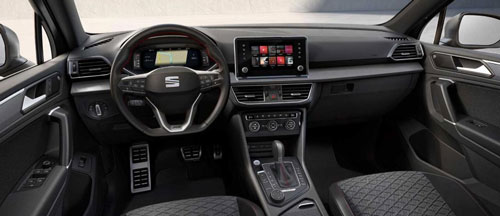
This overall theme and interior architecture are carried throughout all brands in this platform with the variations being:
- an integrated center display for the VW T-Cross
- bold color insert options for the VW T-Cross
- unique door pulls and air vents for the Škoda Kamiq
- stepped instrument panel insert trim for the SEAT Arona and Cupra Formentor
C-Segment vehicles
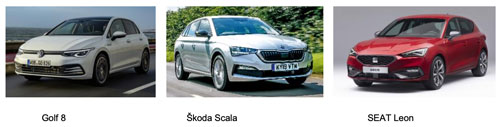
During our last Design Lounge edition, we reviewed the visual characteristics of the Golf line up to the new Golf 8. We can now see how this platform is also carried across into the other brands with the new Škoda Scala and SEAT Leon. You can also plainly see the cross-platform usage of the major interior components form their CUV platform cousins.
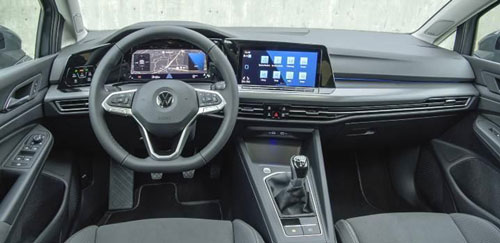
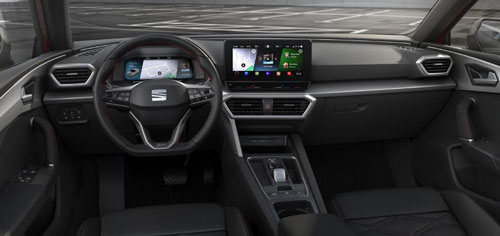
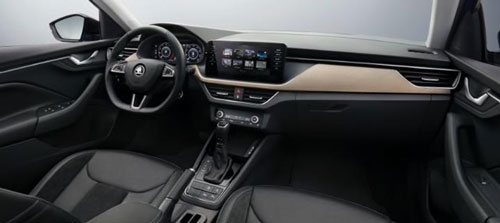
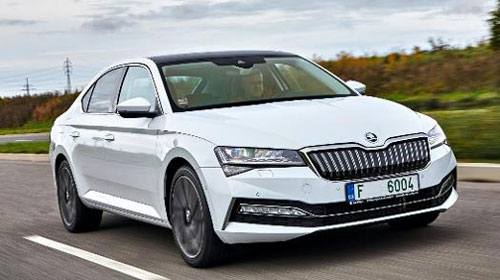
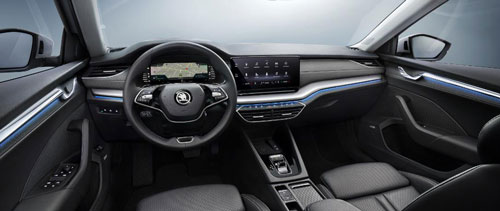
Škoda has also carried over this theme into their new Octavia. The interior materials and content needed an update and upgrade to provide new, demanded UX/HMI features. No longer is Škoda just a reliable good-value car based on previous-generation VW technologies; now it’s an up-to-date, stylish vehicle in its own right.
EV vehicles: the ID series
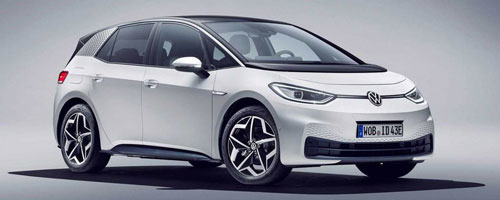
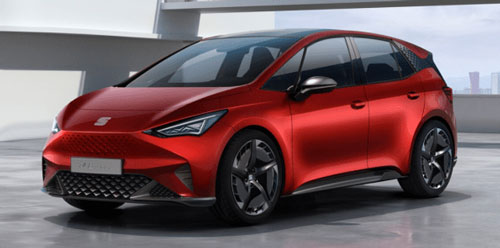
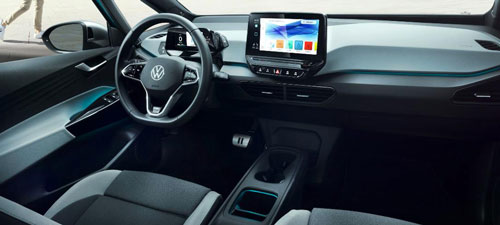
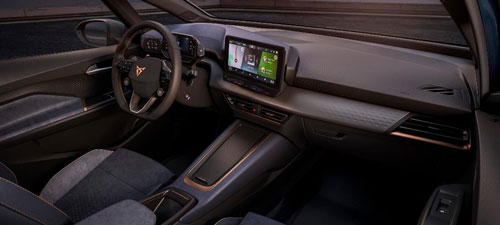
Also covered during out last issue was the VW ID3. Now we can also compare how the Cupra elBorn differentiates itself form it. The overall architecture is identical, but a subtle drivercentric theme is introduced. There’s a new instrument panel surface that wraps and partially integrates the center display with the A-Pillar. Using an enclosed floor console tunnel with copper metallic detailing creates a more serious and sporting tone for the interior.
Volkswagen ID3 Cupra elBorn