For part 2 in our min-series on Volkswagen Groups design, let us look at Volkswagen brand design. As the namesake of the maker, Volkswagen has a substantial history and breadth of product offerings that have expanded during their history. Volkswagen vehicles are represented within all global markets so, for this edition, we will only focus on VW’s major design theme drivers and brand execution.
The Volkswagen Golf
This product has clearly driven the identity of Volkswagen through eight generations including the market positioning within each segment that is now a premium offer for the consumer.
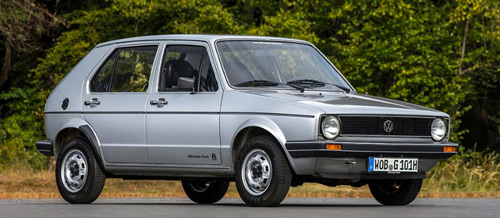
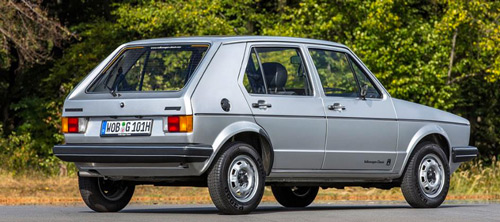
The original Giorgetto Giugiaro 2 box exterior design balanced a substantial solid aesthetic that also managed to feel nimble and airy.

Golf 1
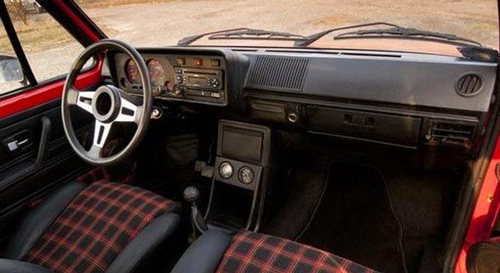
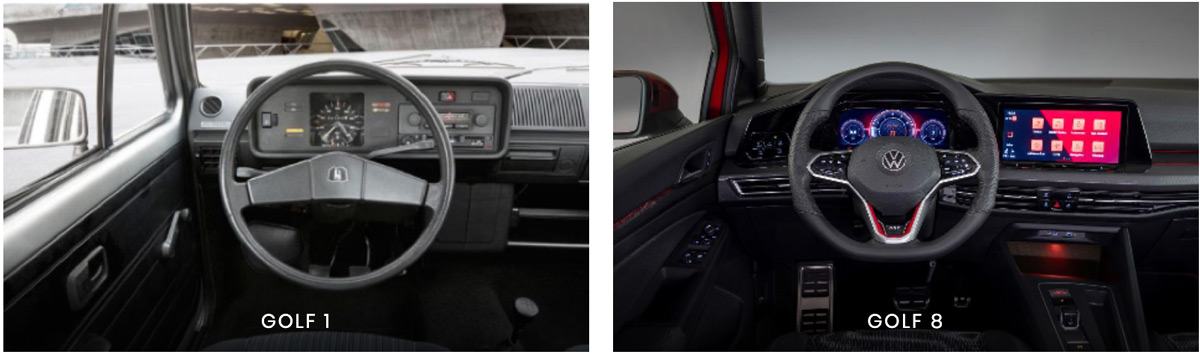
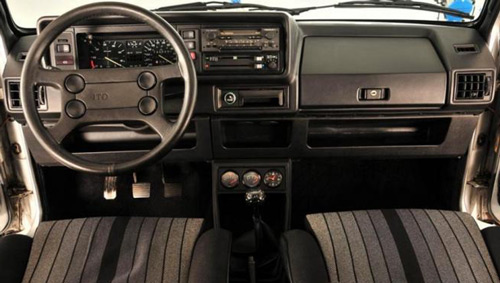
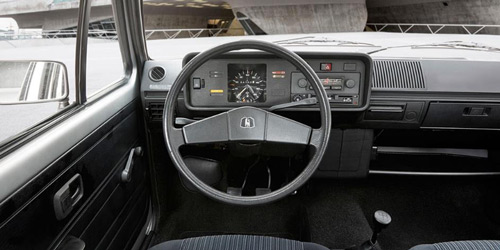
A very simple and straightforward aesthetic with a dominant rectangular cluster, radio, and HVAC controls that contrasted with the airy interior space. The classic golf ball-styled dimpled shifter knob along with plaid cloth seating gave a more lighthearted feel to the cabin environment.
Golf 1 facelift
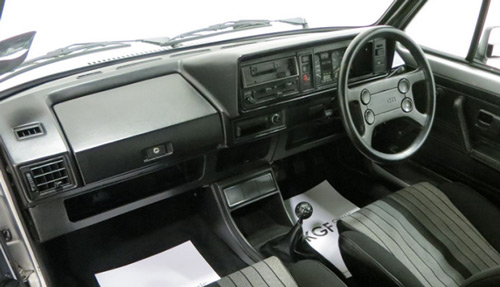
The updated facelift Golf 1 added a soft-touch instrument panel, a more substantial glovebox and storage, and introduced what would become VW’s classic 4-button, 4-spoke steering wheel.
Golf 2
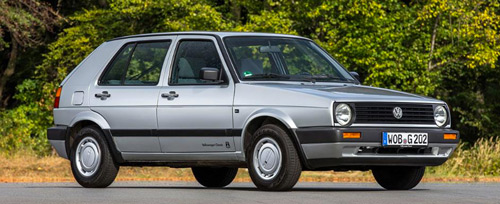
VW’s in-house design team added a more solid feeling for the Golf 2 while removing some of the initial design’s lightheartedness.
Golf 2
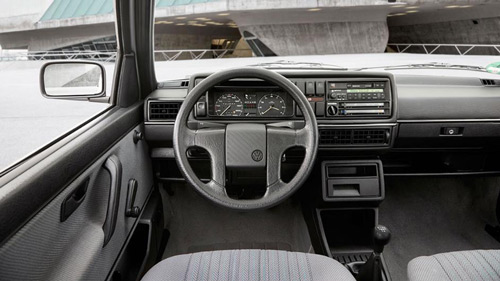
The interior expanded on the facelifted Golf 1’s quality materials with a deeper soft touch IP.
Golf 3
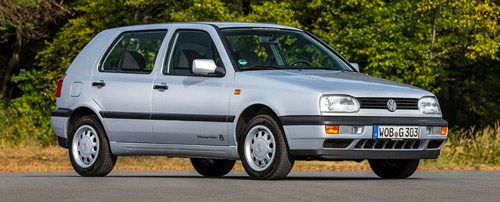
Removal of the round headlight and adding more bulk to the exterior with a shoulder line slowly moved the Golf 3 into a sportier direction.
Golf 3
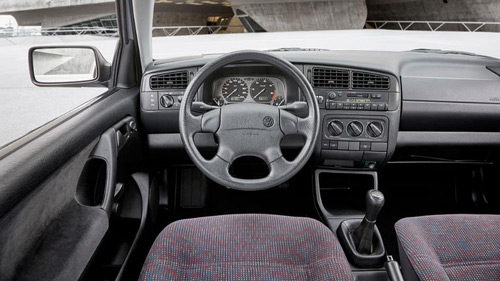
The Golf 3 interior had its first major packaging update. Airbags were integrated into the IP and steering wheel—which still remained a 4-spoke design, albeit a softer one. By locating the air ducts above the HVAC controls (now with rotary dials) the interior environment became more substantial and imposing, much more massive than in the original Golf 1.
Golf 4
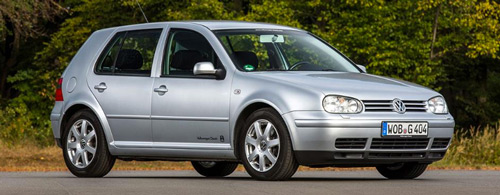
Removal of the belt line in the body metal and the addition of more prominent wheel arches created a clean yet sporty feel for the Golf 4 exterior.
Golf 4
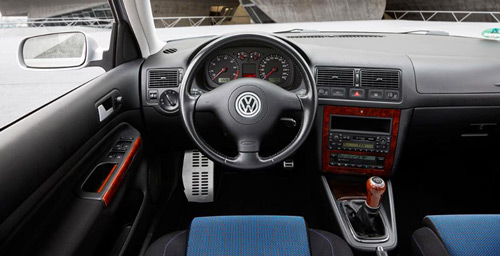
The Golf 4 was when the VW Group first moved the Golf upmarket. With higher quality materials such as soft touch plastics, aluminum (note the dead pedal) and highly improved fit and finish boosting perceived quality, the Golf 4 Golf started the upmarket positioning of the VW brand’s product positioning within each segment offering. No more 4-spoke steering wheel and no more link to the Golf 1’s cockpit design; instead, we find upmarket materials and finishes and well-controlled gaps as a design/brand differentiator theme.
Golf 5
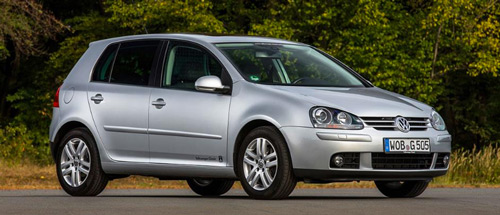
In the Golf 5, reintroducing the body belt line—this time only in the rear—enhanced the Golf’s aggressiveness So did eliminating the upright, blunt grille of previous models.
Golf 5
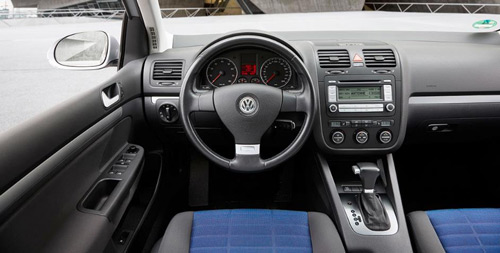
The Golf 5 integrated the center stack as one visual element. This opened up the spatial aspect of the cabin—yes, there was a massive center stack, but it managed not to interfere with an airiness that had been missing from the previous generation. Rotary dial HVAC controls are re-introduced and the beginnings of a central display can be seen.
Golf 6
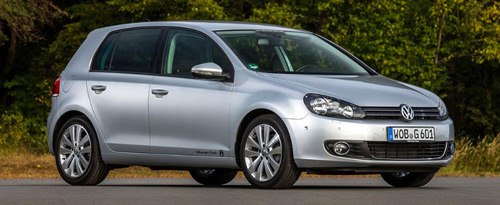
Move of an evolution than a new aesthetic, the Golf 6 extended the belt line to the front again and further smoothed the overall aesthetics while keeping the same overall proportions since the Golf 4.
Golf 6
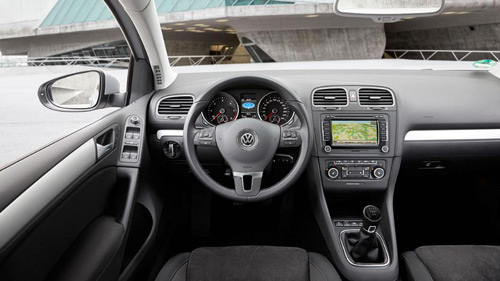
For the interior, the Golf 6 integrated the IP, door window and mirror switches, and center stack into a flowing unit. This was then contrasted by the material detailing, such as aluminum inserts to improve the high perceived quality aesthetics that started with the Golf 4. The central display is now an integrated feature of the overall design theme and function.
Golf 7
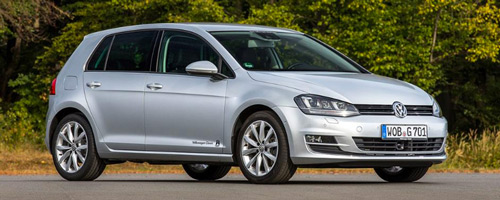
Sharp lines replace soft forms for the Golf 7 for a more aggressive look. No proportion changes and a far cry from the airiness of the Golf 1.
Golf 7
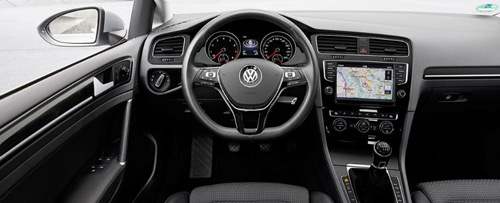
For the interior there was a major design theme change, though the underlining architecture remained. An eyebrow now visually integrated the cluster with the air ducts leading to the substantial center stack that is now more integrated into the center console. Materials and perceived quality continue to improve.
Golf 7 facelift
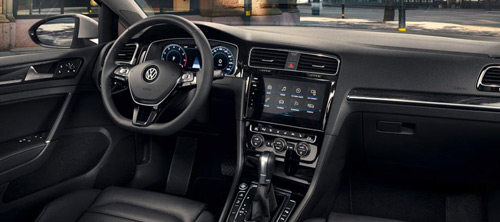
Display integrations and touch screens. This marked the entrance of the Golf into the modern UX/HMI era. Piano-black finishes are decidedly upscale and upmarket.
Golf 8
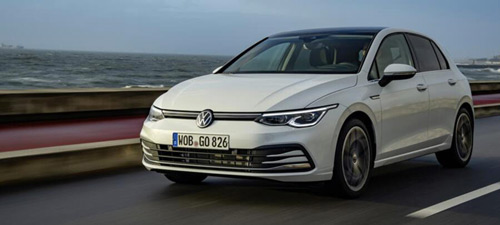
A lower and flatter hood that overrides flatter headlights have completely eliminated any of the playfulness found from the original Golf 1, and have placed the Golf 8 on a clearly sport- oriented path.
Golf 8
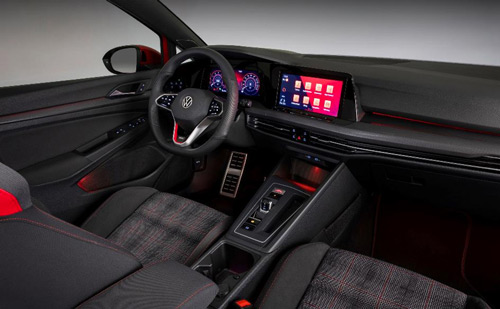
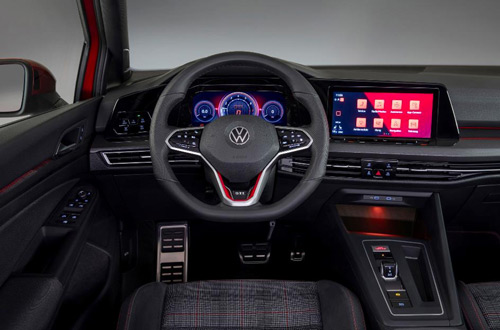
With the Golf 8, VW has now made the displays into an integrated unit that spans the driver’s side of the vehicle. The massiveness and encapsulating feeling of the previous generation is now replaced with an airier environment that harks back to the Golf 1 facelift.
The Volkswagen ID3
ID 3
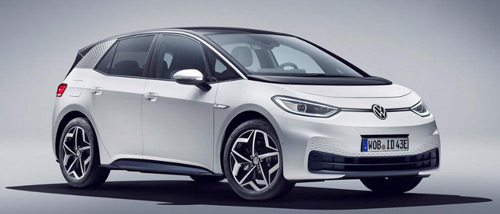
With the Golf 8 current positioned as an upmarket vehicle within its segment, the new ID3 EV is taking the position as the fresh/new vehicle—as the original Golf 1 did in the 1970s.
ID 3
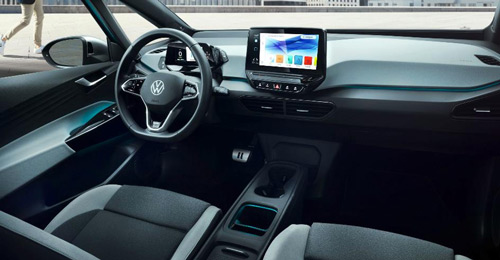
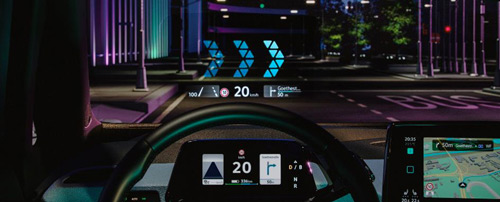
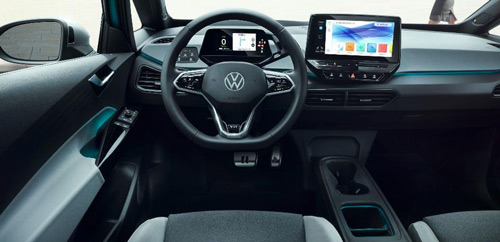
Relying only on displays for the cluster and center stack UX/HMI, touch sensitive screens and buttons (window, door controls, etc.), the ID3 has an open and playful space to contrast with the Golf 8’s more serious, sporty environment.
Volkswagen Golf to ID3, 1974 to 2020
By executing the new ID3 and Golf 8 designs as such, I see a direct evolution form the Golf 1. The Golf 8 is akin to the Golf 1 facelift with its driver’s orientation, and the ID3 to the original Golf 1. These design executions are allowing for the VW Golf lineage to continue within both vehicles.
Golf 1 facelift
Golf 8
Golf 1
ID 3
ID3