By DVN Interior Senior Advisor Andreas Friedrich
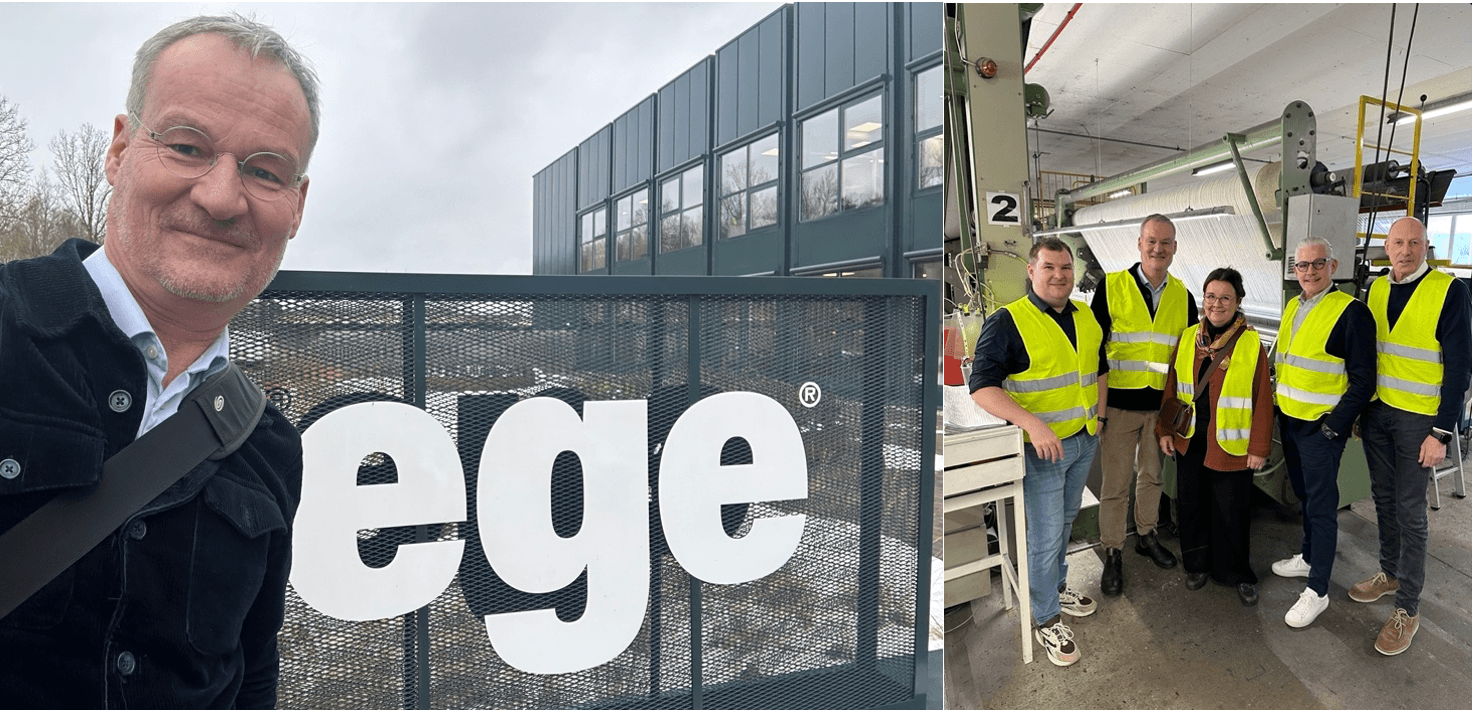
I made a trip to Ege Carpets in Herning, Denmark to see their production and understand the uniqueness they add to the automotive industry.
Carpet is often the darkest, cheapest, and most boring material in a vehicle – difficult to do anything nice and new with. We talk about both the deep-drawn shaped carpets that often comes as insulated 3D parts that fit the body structure, or the inlay mats often added on top of the base carpets.
For many years, the possibilities were quite limited on account of cost, process, and durability. That might be changing lately.
Ege is one of the biggest carpet producers in Europe; they make around 120,000 m2 of carpeting per week – that’s 5 million m2 in a year. They have a strong focus on sustainability, and are already using recrafted raw materials like ocean plastics, recycled materials, and renewable natural wool. They are also taking back used carpet tiles, sometimes 20 years old, cleaning them to almost-new condition, and selling them again as more-or-less zero-CO2 materials, very popular among architects right now.
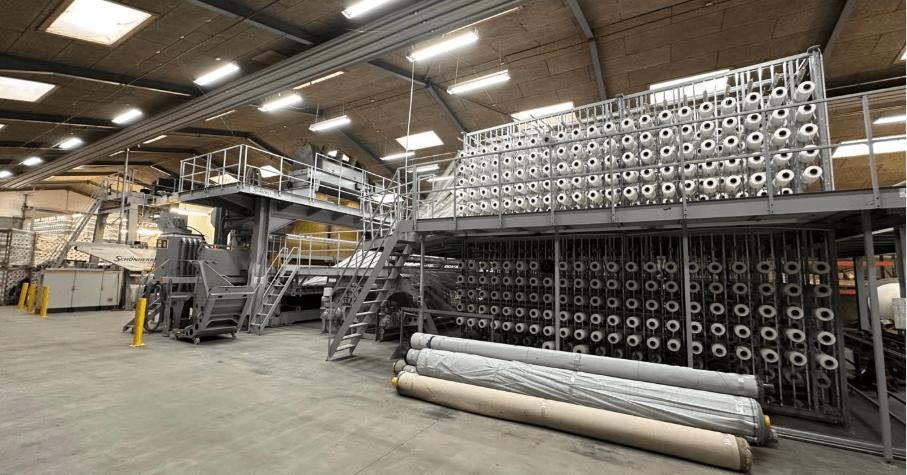
A lot of the production is with white material, and the carpets are dyed under high pressure later in the process. They can also print patterns on the carpets with a 120-meter-long inkjet printer; more about that later. The difference is like a carrot versus a radish – High pressure dye you get the color all the way through, while printing gets the color on the outside – like the radish.
I’ve had the pleasure to support Ege in their efforts to enter the automotive sector, and have followed them for a while.
We met up at their HQ in Herning, and went to one of their factories in Røjle on Fyn island. At the Røjle site they have 30 looms — the largest production capacity in the world with this kind of classic looms, which are machines to make woven material like carpets.
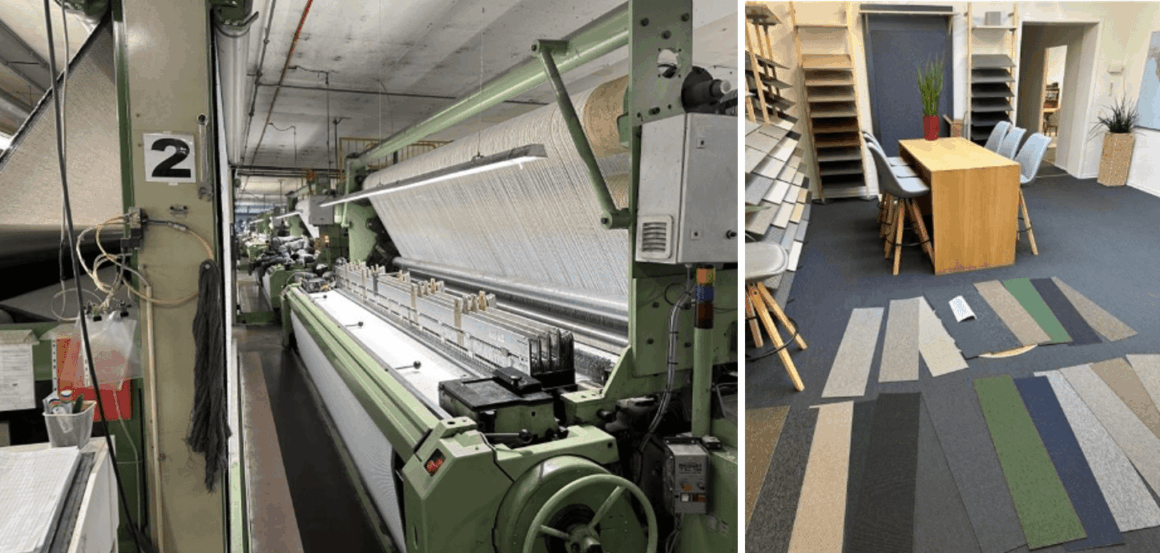
In the classic looms they primarily make flat-woven carpets with wool as the main material.
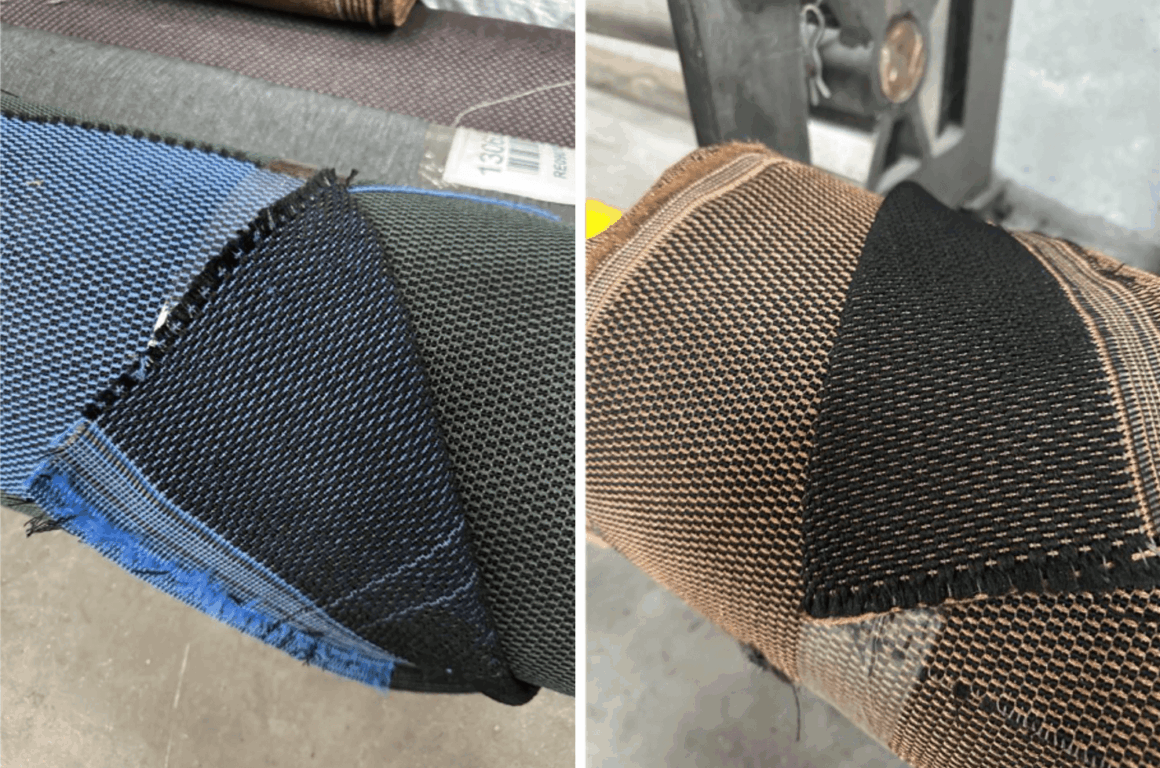
But they also make flat-woven carpets on more modern machines with Econyl yarns as the main material.
Flat-woven carpet is ideal for inlay mats in a car, since it’s very easy to clean; it has a firmer, more tightly knitted structure compared to a tufted or a high-pile carpet.
Ege has invested in a huge weaving machine for flat-woven carpets with jaquard weaving technology where you can create patterns by controlling each individual yarn. You can have up to 2,550 yarns in the machine and make 4-meter-wide carpets in continuous length.
Flat-woven is very popular with architects for public spaces by dint of its durability – and in Ege’s case, also the sustainability; they use 100% regenerated or regenerable yarns from Econyl, known for making yarn out of ocean plastics.
We got to see some samples of a new carpet they are developing with a famous architectural company.
Normally it’s tufted carpets that have 3D shapes, because tufted carpets are easier to form. With the right thinking, though, one could create 3D shapes with flat-woven carpet, which could be interesting in the automotive world, could it not?
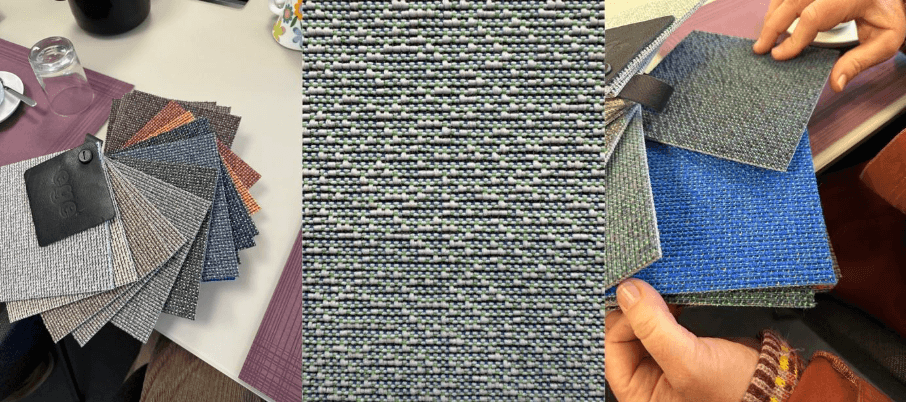
Then we went back to the Herning HQ to have a look at all the magic machines there. We examined automotive samples they’d prepared using a tufting machine with yarns individually tension-controlled to vary the tufting heights. This allows for 3D patterns in the tufting. They use it to create unique carpets where you get a nice 3D effect on an otherwise boring surface.

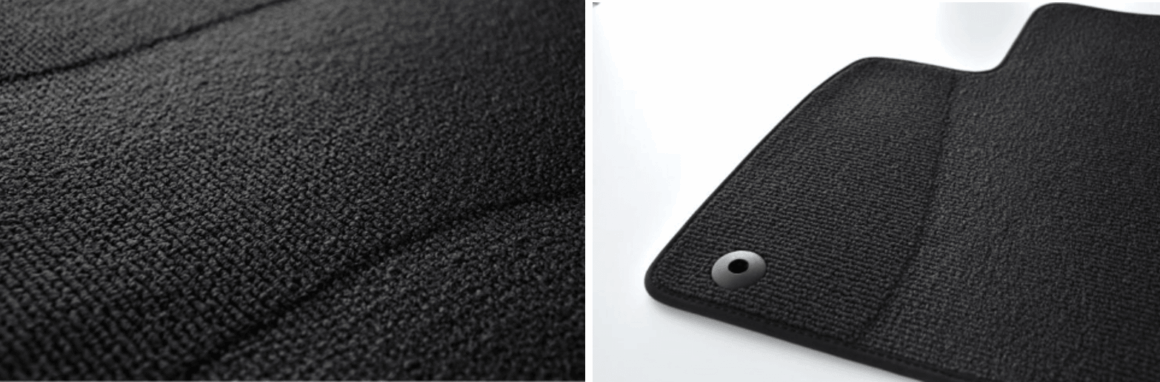
Now we hopefully get your creativity bubbling; so many opportunities present themselves with this technique.
Add to this the possibility to 3D shape it or even print a pattern on it. And of course all the other tricks that an automotive carpet tier-1 could add – edges, stitches, details.
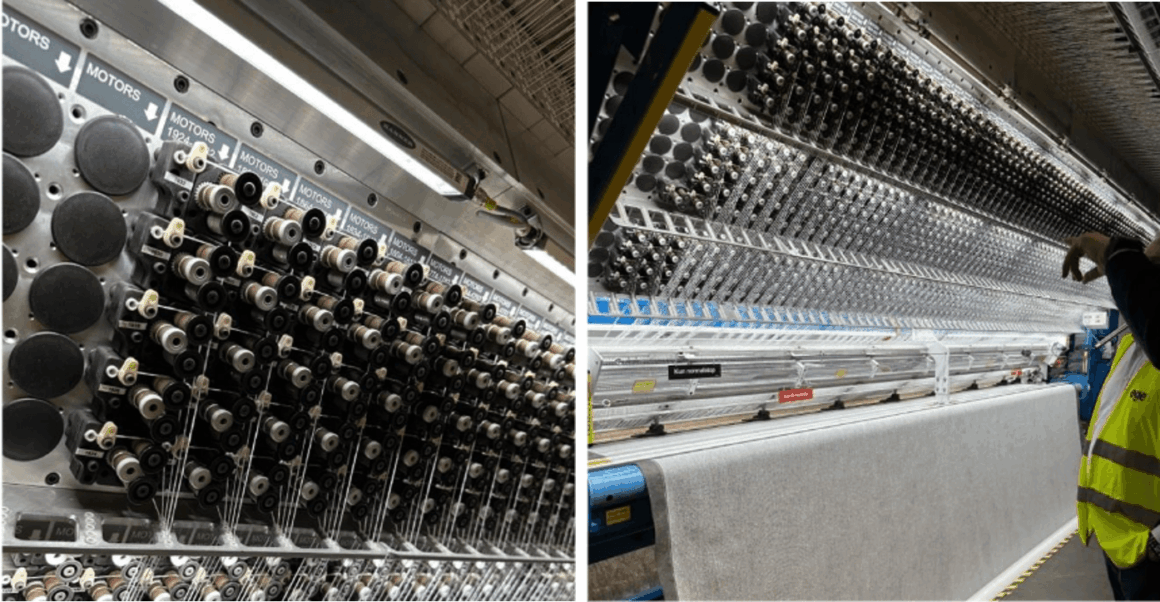
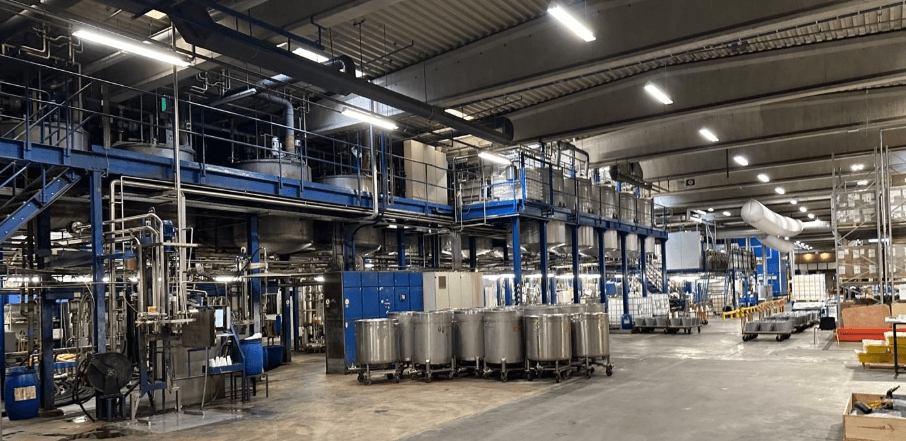
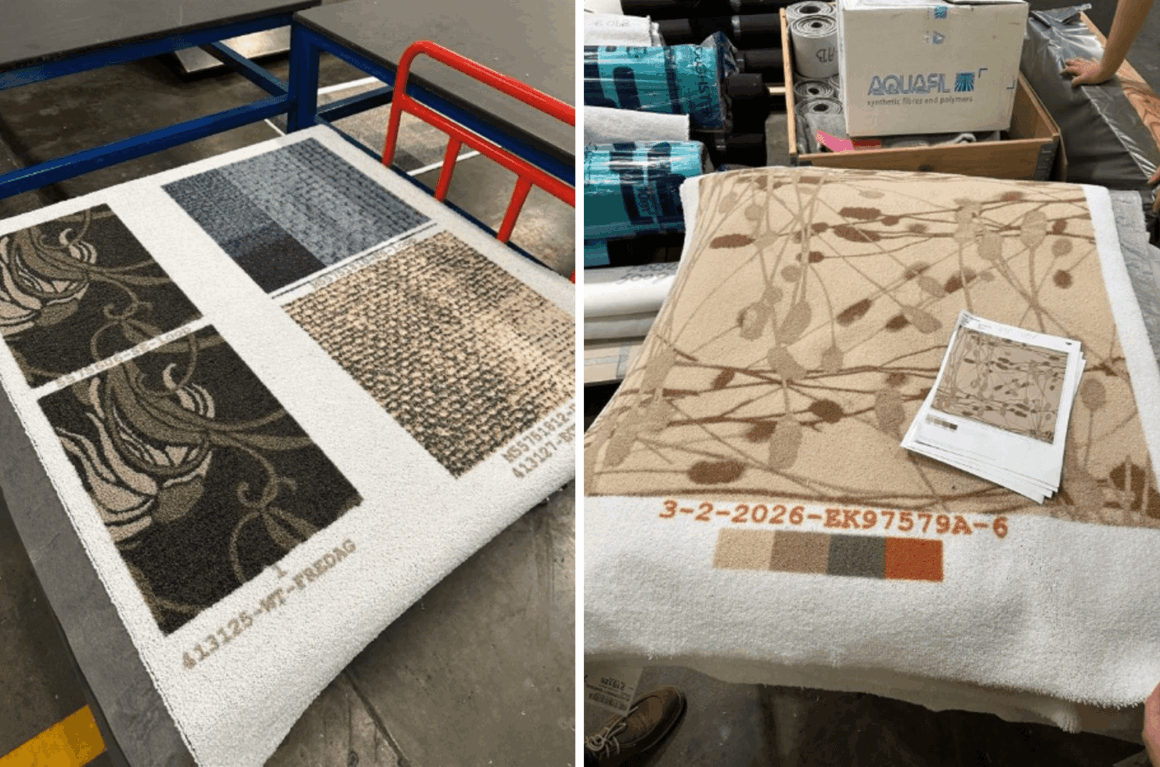
Then we had a look at their 120-meter-long printer. They mix their own water-based inks in huge tanks, and everything is recirculated to minimize spillage. The print head has a 4 × 4 meter area with 12 racks of print nozzles in rows. There are 3,500 nozzles per row, for a total of 42,000 nozzles.
Every order and program is different, so it’s basically print to order. They can do 9 to 12 meters of carpet per minute.
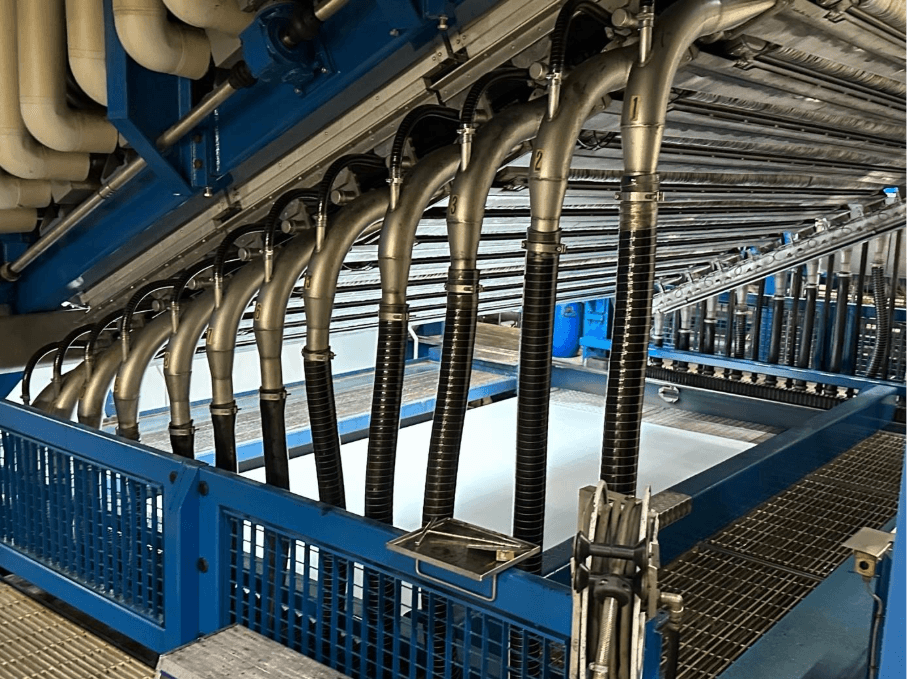
Envision what could be done when including printing on carpets…!
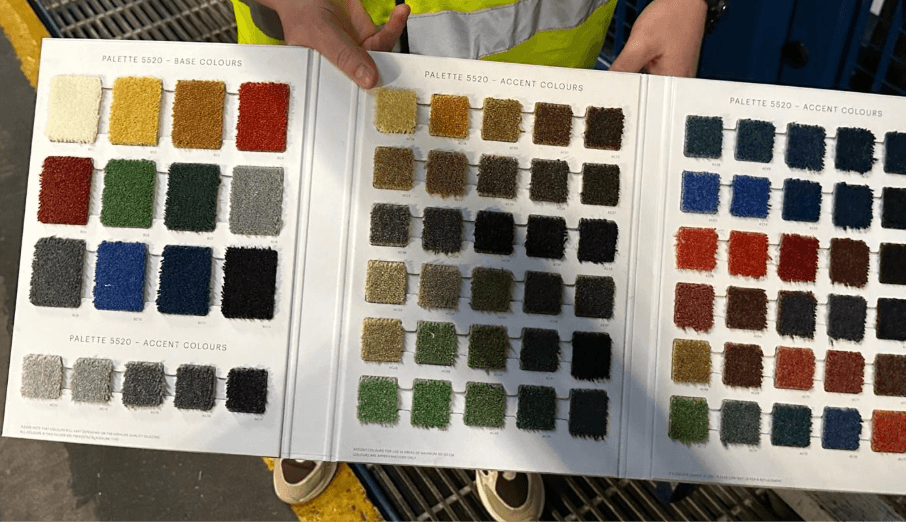
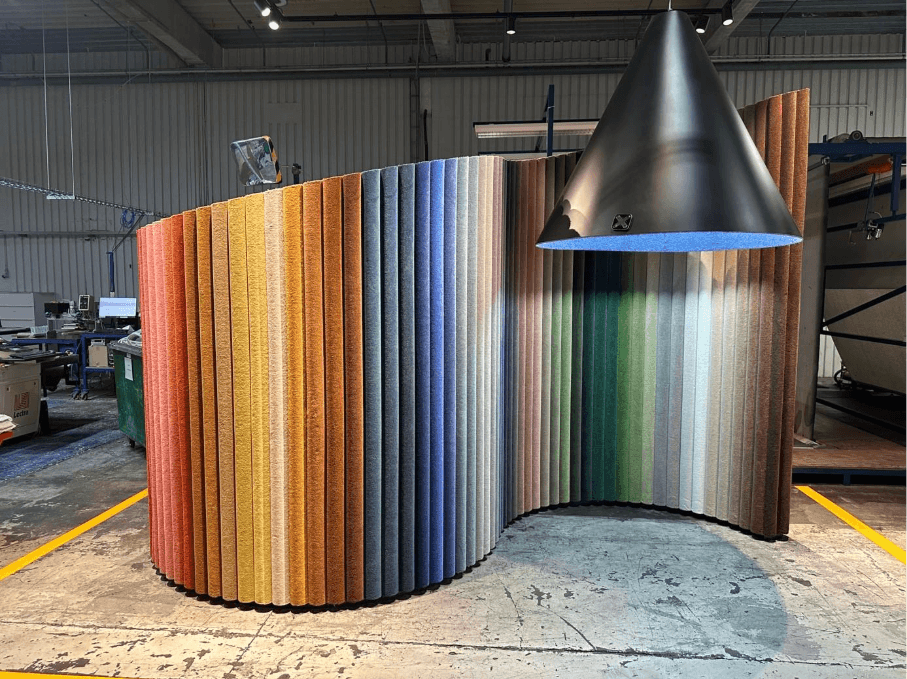
It was a pleasure to see something that has long been so boring, all of a sudden become so inspiring. Thanks for the visit, Ege!!


