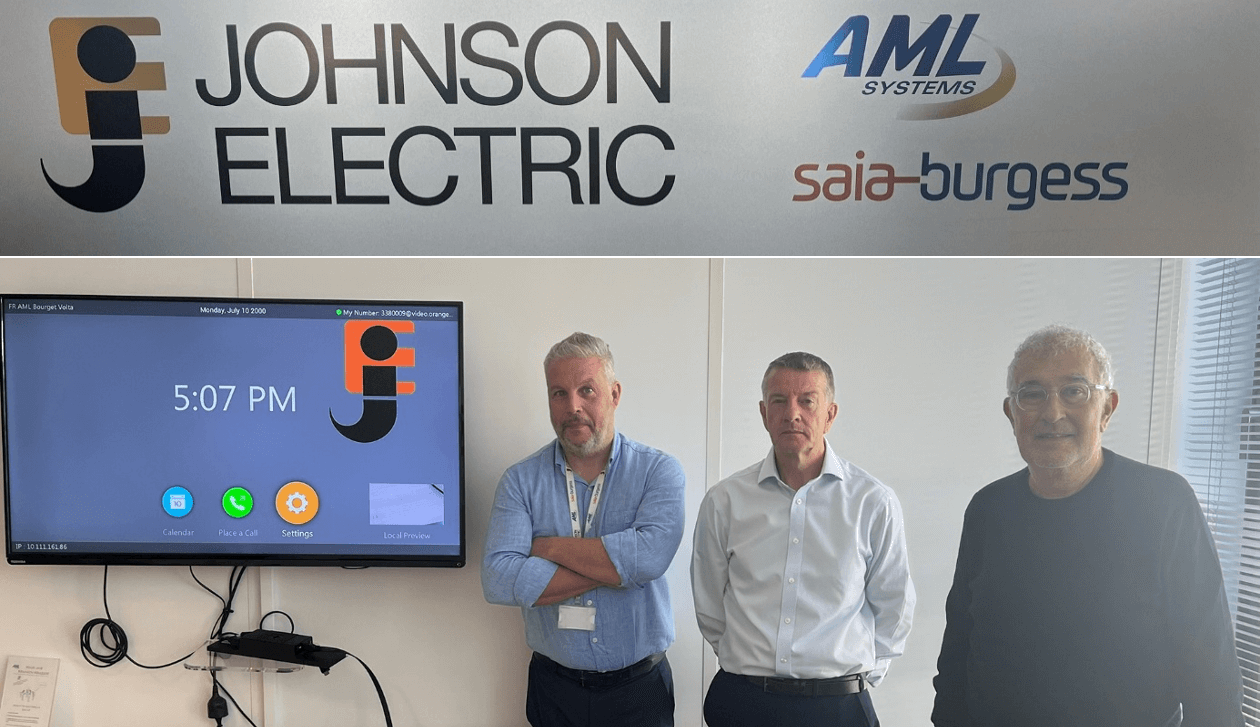
Johnson Electric (JE) is a global leader in innovative motion systems, including key elements such as motors, pumps & valves, solenoids, switches, relays, and flexible circuits. JE has manufacturing facilities in 22 countries, and their head office is in Shatin, Hong Kong. DVN Interior General Editor Philippe Aumont had the chance to meet the business development team, of the Parlex division in Le Bourget, near Paris, France to discuss challenges in flexible circuits and microelectronics for car interiors. Parlex was represented by Business Development Manager Jean-Francois Roy and Senior Flexible Printed Circuits Business Development Manager Paul Dyckes.

Johnson Electric Car Interior Products


JE is at the forefront of flexible printed circuits (FPC) and printed electronic circuits, delivering solutions that transform HMI, user Interaction, functionality, and design – including in vehicle interiors. Their expertise includes advanced printed ink technologies and component population, enabling them to address the evolving needs of smart surfaces and intelligent interfaces in cockpits, steering wheels, doors, and more. AML, well known at DVN, is part of the JE Group, and focuses on light-based technologies, augmenting’ JE’s innovative solutions.
JE’s core technology and expertise includes:
- Printed electronics and their seamless application and integration, enhancing user perception and reducing assembly complexity. Example: the BMW Smart Bar pictured above.
- Switch solutions. As capacitive projects become less dominant, the focus is on user feedback with haptics or light in switches and small display, facilitating quick access and intuitive interaction. JE capacitive feedback systems rival mechanical buttons, supporting graphics, digital displays, and multi-functional inputs—all in a single, intuitive interface.
- Printed ink innovation. JE’s proprietary shielding print ink solutions, applied to PTF or FPC circuits with a variety of techniques using silver ink, offers unmatched flexibility and performance.


JE’s flexible electronics are built on two primary platforms. FPCis a robust, copper-based flexible circuit technology. And Printed electronics are lightweight, versatile circuits, as seen in applications like the BMW Smart Bar on the 7 Series.
Manufacturing techniques include both subtractive technology for FPC, a traditional etching processes for high precision, and additive technology for PE, which involves direct printing for efficiency and material savings. The two techniques can be combined in a hybrid approach for optimal performance and cost-effectiveness. Mid-print issues on smart surfaces are addressed through advanced calibration and quality control.
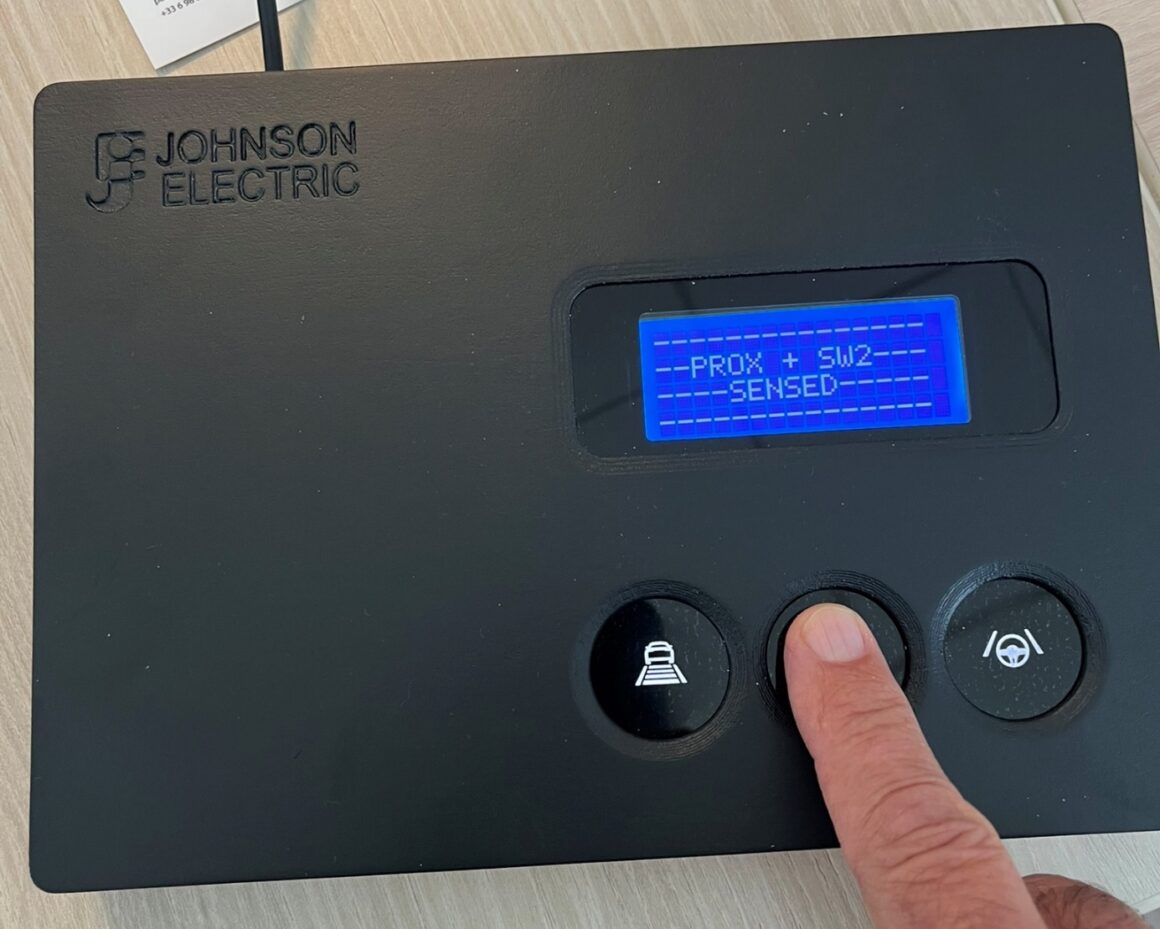
JE’s technology enables a three-stage UX: proximity detection (sensing user presence before contact), capacitive activation (responsive touch interaction), and validation feedback (confirmation via audio, visual, or tactile cues – called enhanced switches).
Their solutions boast broad material and substrate versatility. Their sensors are compatible with PET substrates, with performance tailored to the specific ink used. Their CoolFlex technology efficiently manages energy dissipation is needed, as in flexible heaters (e.g., camera humidity removal) and dynamic lighting. And their temperature-dependent inksare engineered to perform optimally across varying temperatures, ensuring reliability in the automotive environment’s rigors.
Key benefits of JE’s technology include:
- Cost Efficiency: JE’s processes allow for cost-effective production, whether for single units or large-scale runs.
- Scalability: JE can produce circuits up to two meters long, ideal for complete battery packs and other extensive applications.
- Versatility: JE technology is compatible with many A surface materials though development may vary depending on the substrate – such as fabric or glass.
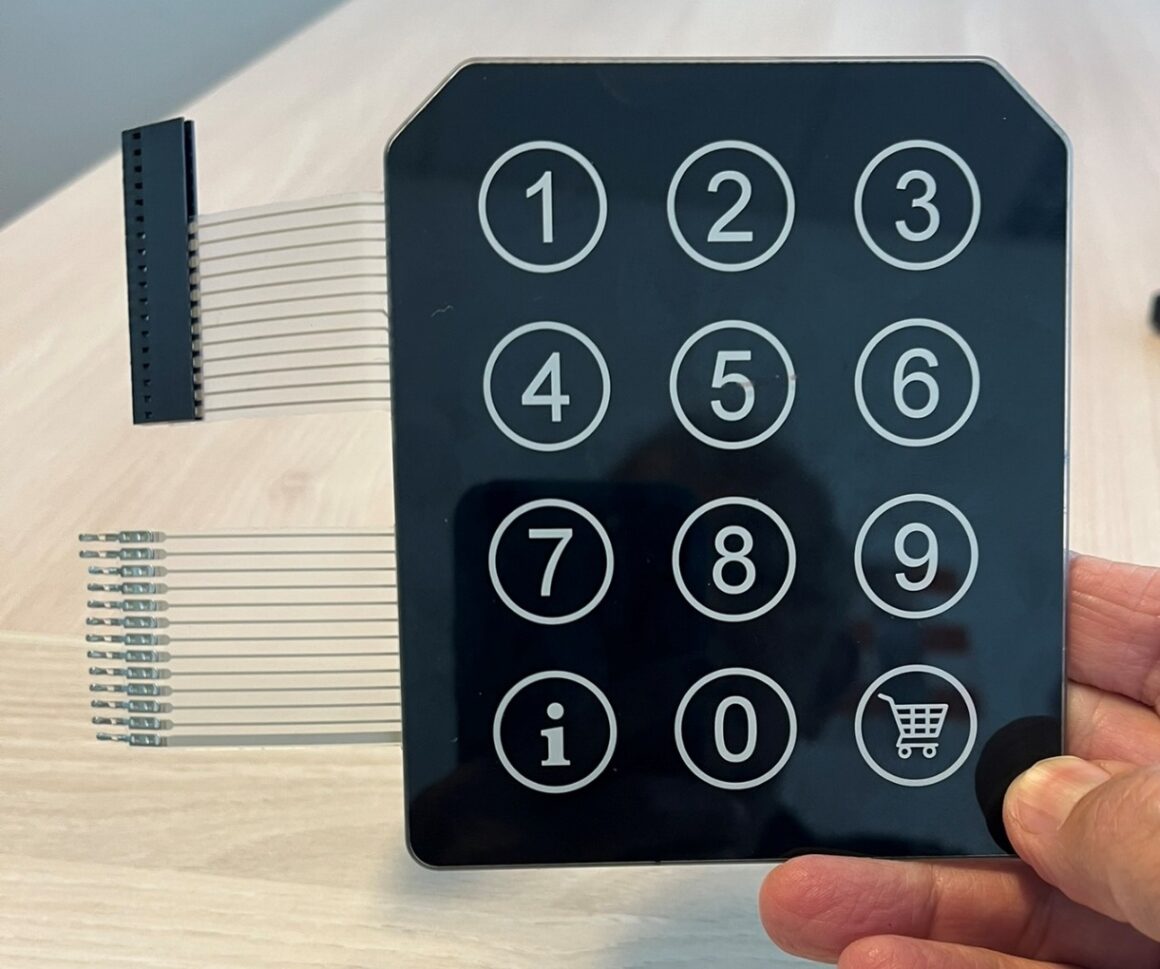
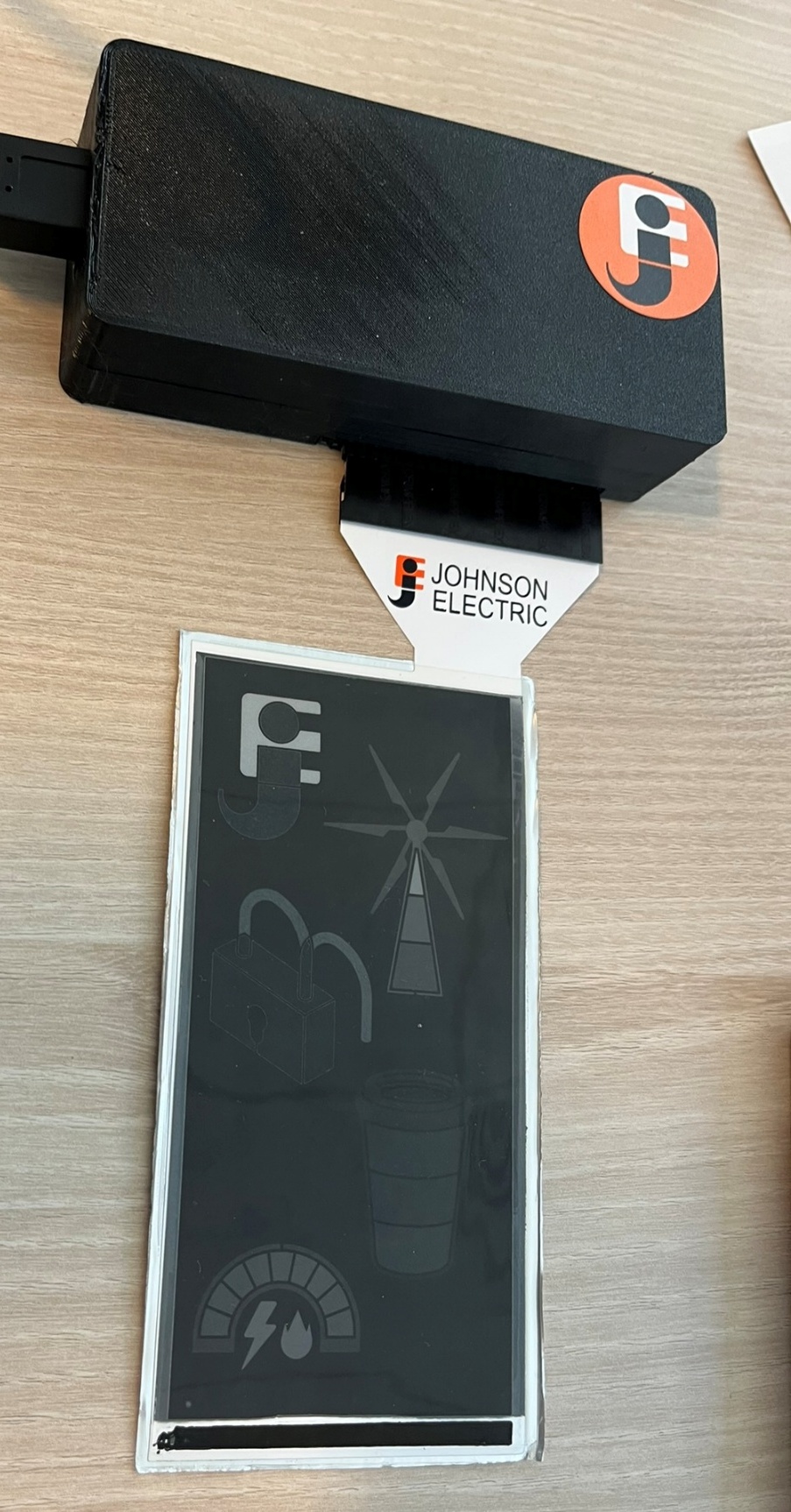
JE’s display and HMI solutions include E-ink bi-stable displays, which hold an image almost indefinitely without needing a continuous power source; no backlight is required, and they draw power only when updating the image; capacitive and tactile HMIs combining capacitive touch, tactile feedback, and light touch for an unparalleled UX; and multilayer solutions developed in partnership with 3M, ideal for premium materials such as leather.
OEM collaboration is key to JE’s automotive activities. They provide technologies enabling automakers to customize systems however they like. For example: the Smart Bar on the BMW 7. They cooperate with tier-1 suppliers to deliver capacitive touch with combined graphics in high-profile applications. And their reach is global – including China, where smart surfaces are vigorously proliferating in that market characterized by rapid innovation, strong policy support, and a focus on user-centric, intelligent, and sustainable interior solutions.

All in all, JE’s printed electronics are pivotal when designing new car interiors, by enabling seamless integration of smart surfaces—enhancing functionality, UX-user experience, and design flexibility while paving the way for safer, more connected, and sustainable automotive environments.


