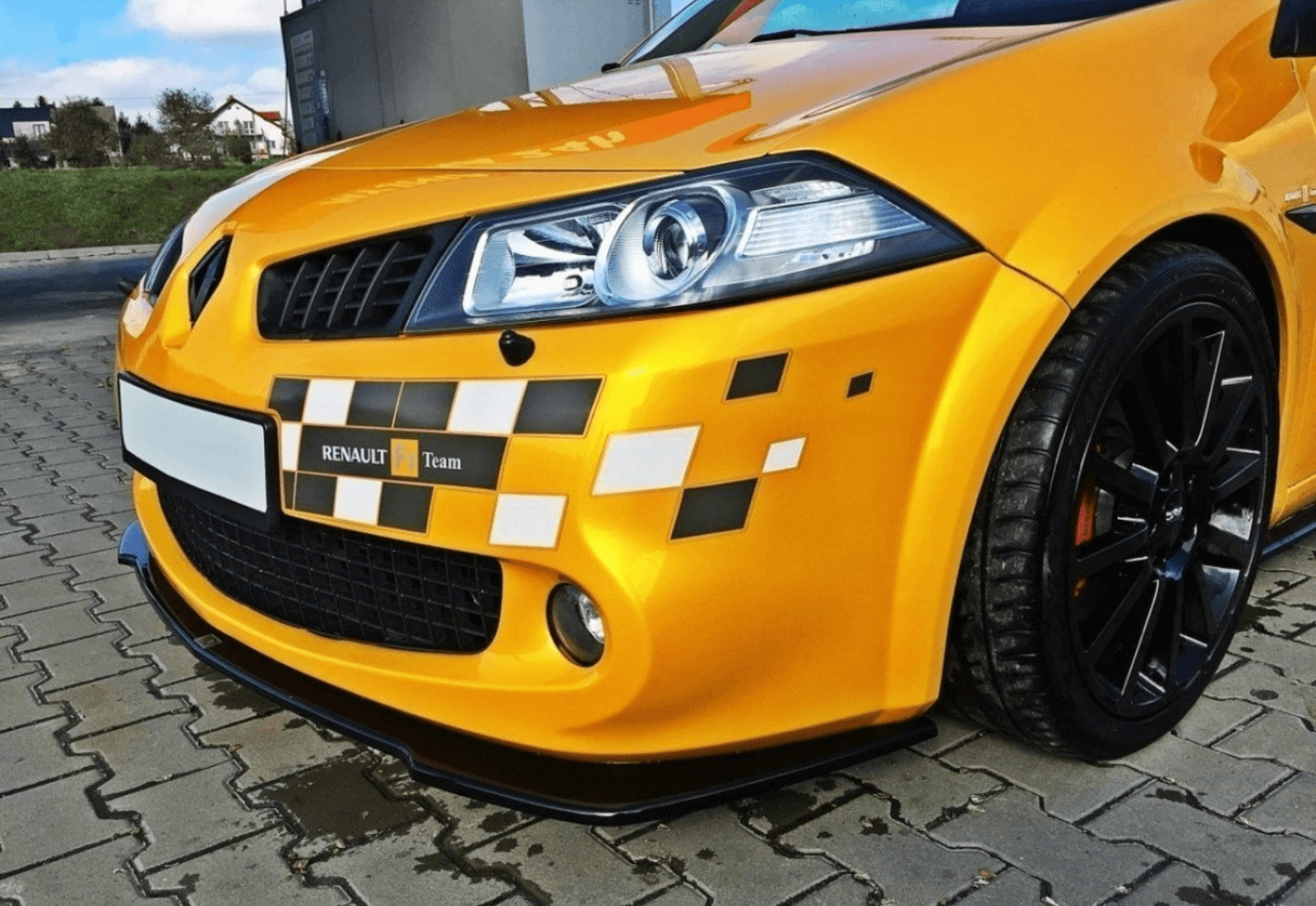
This was my first lamp project back in 2002, when I joined the lamp team at Renault. The optional lamp at the time was a xenon system, and a headlamp cleaning system was mandatory. The requirement existed because the light source flux exceeded 2,000 lm. My challenge was not really performance; it was more about integration (the washer fluid tank) and cost.
With LED technology, most lamps now fall below the 2,000-lm threshold, even high‑definition lamps. The 2,000-lm criterion can be applied either at the light source or at the light‑source module according to UNECE R48. As a result, headlamp cleaning systems are no longer mandatory. Performance considerations are becoming more important: why should I offer this function? What is the benefit of such a system? Cost‑reduction teams at OEMs always ask whether removing this function—worth roughly €30—could generate savings.
Moreover, with today’s increasingly complex headlamp designs and multi‑module architectures, it is becoming more challenging to clean all modules effectively. Is the pump powerful enough to deliver the correct pressure?
And since glare has become a public concern, could headlamp cleaning systems make a comeback in the future?
Should lighting engineers—as well as packaging teams, designers, and exterior teams—continue to devote attention to water‑tank and nozzle integration? Will new technologies emerge?
This week, I am taking a deep dive into this topic—not to review all available technical solutions, but to look at the studies carried out in recent years and at the current vehicle offerings we see at dealerships. If I want a headlamp cleaning system today, can I get it? Who still offers it?
I welcome any comments, so please feel free to share your feedback.
We are also publishing our DVN Munich report this week. Feel free to read it.
Sincerely yours