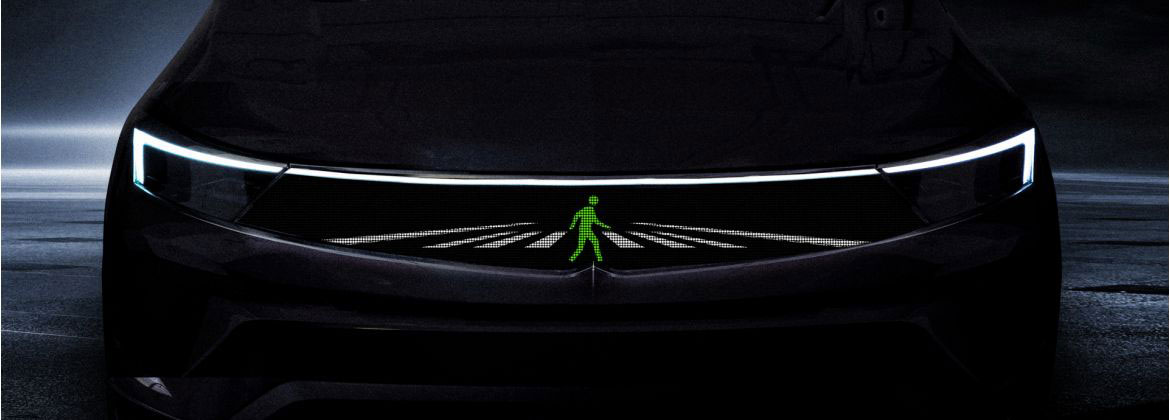
Opel and the TU Darmstadt have begun joint research into new lighting technologies. The automaker’s strategic partnership with TU Darmstadt will enable a new era of lighting technologies; Opel CEO Uwe Hochgeschurtz says “Advanced adaptive light systems do so much more than just illuminate the road according to the prevailing conditions. They are linked to numerous assistance systems and make driving safer and more comfortable. Together with TU Darmstadt, we want to develop all-new lighting systems and bring them to the market”.
The funded research will include an intelligent, self-adapting front and rear lighting system that optimally adapts to the environment and traffic situation as well as other influencing factors. Initial tests with a prototype are already planned for the end of the year. “We want to revolutionise automotive lighting with this technology, and accompany the development through all stages, from research to prototypes and testing to the finished product,” says Professor Tran Quoc Khanh, Head of the Department of Adaptive Lighting Systems and Visual Processing at TUD.
For both partners, the new Open Lab means a win-win situation: Stellantis can draw on the expertise of TU Darmstadt to transfer research findings into vehicle systems, and the TU’s doctoral students can use the automotive company’s technical infrastructure to test their developments in the field.
“If everything goes as planned, the first vehicles with the lighting technologies developed with Stellantis will be seen on the roads by 2028″, Khanh says. “They will have one of the most intelligent lighting technologies in the world”.


