Shifter & Entertainment: HVAC, Radio, Navigation to UX/HMI
In this final overview of the floor console/center stack overview, we will look at how and why the UX/HMI/Infotainment has come to define this area.
A bit of background, as usual, is required to understand this. Fundamentally, there has been shift in the usage functionality, not only for vehicle in general but specifically in the zone of the modern automotive interior space.
As overviewed in the last issue of the Design Lounge, the inclusion of the UX/HMI controls and interfaces has made a significant impact on this interior zone. Purposely, screens and displays were omitted from this report as these technologies are the most significant, regarding design impact, thus require a more detailed insight.
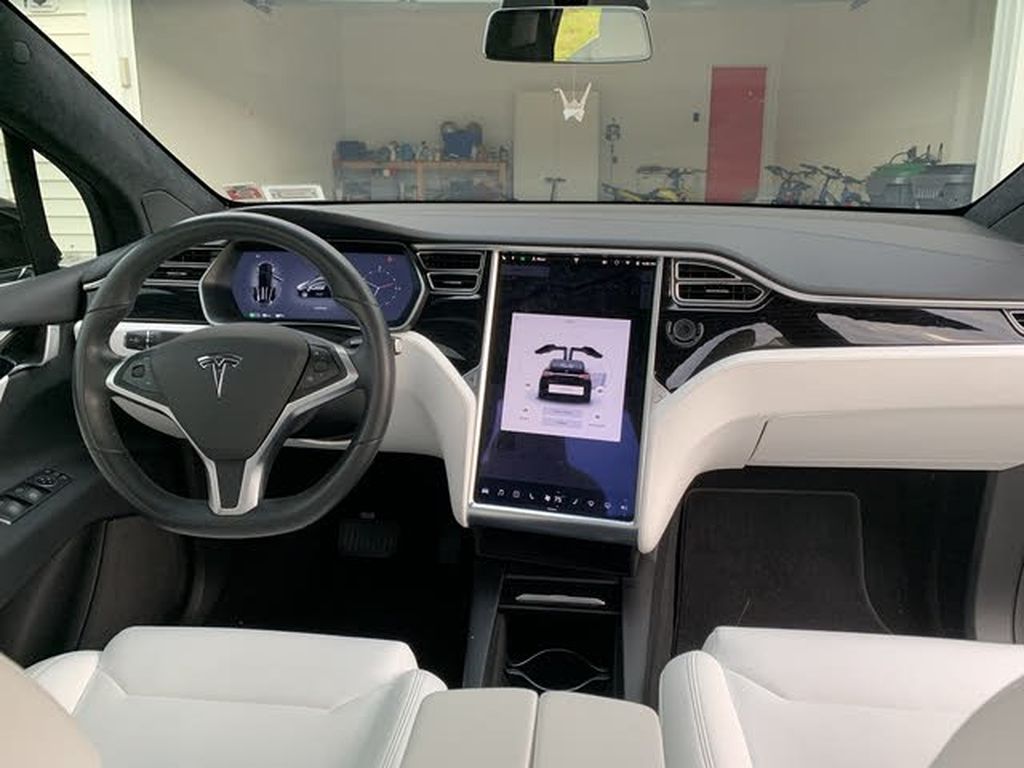
Tesla has now established the large format, centrally located touch screen as the modern norm for UX/HMI interaction within the interior environment. How we got here is primarily a story about connectivity and how society connects and communicated today, not the previous priority of the functional status of the automobile.
The progression of the ‘smart phone’ from the BlackBerry to the iPhone is analogous.
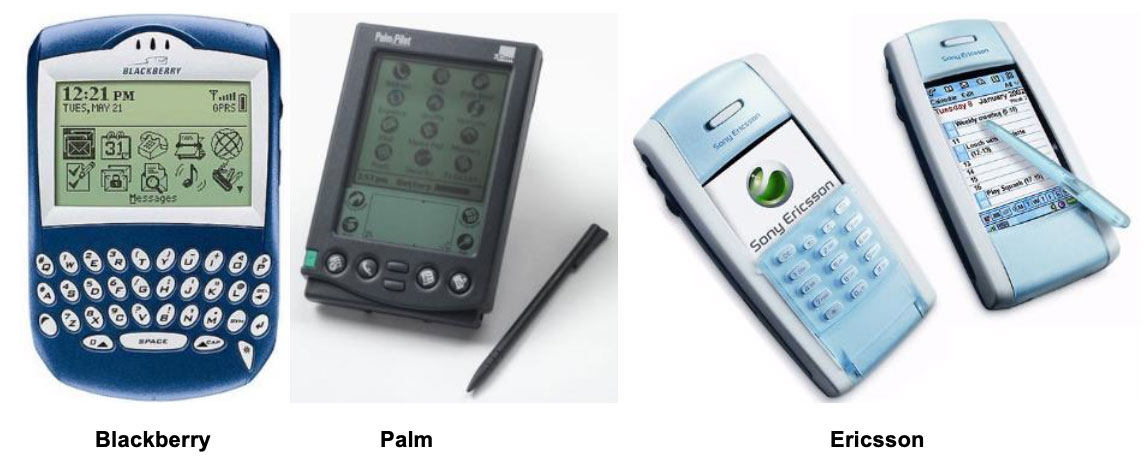
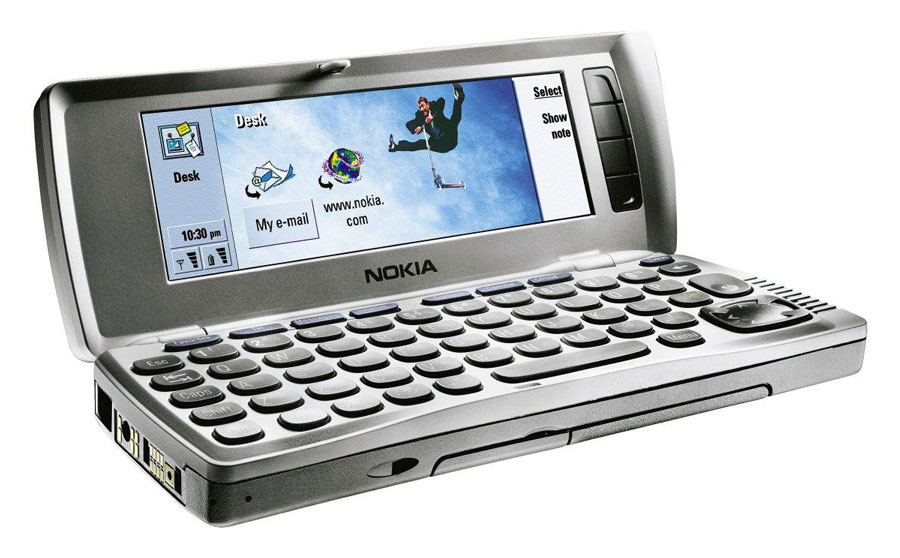
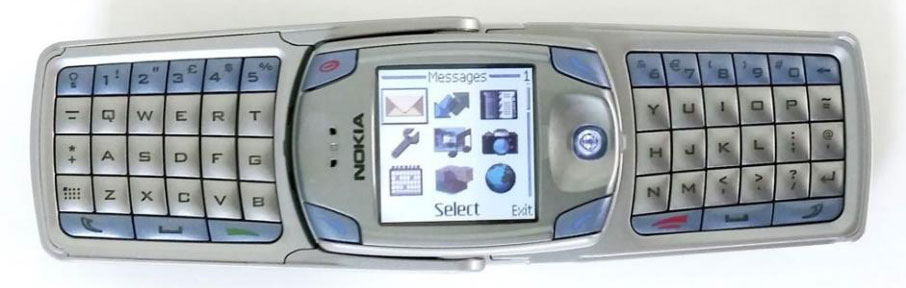
The evolution of the smart phone started with devices that were developed to connect to the internet, or more specifically, to get email access. They were not telephones at all but portable email devices. As more features were becoming available, they were integrated into these early ‘smart phones’ but tethered to their desktop/laptop computer operating approaches.

iPhone
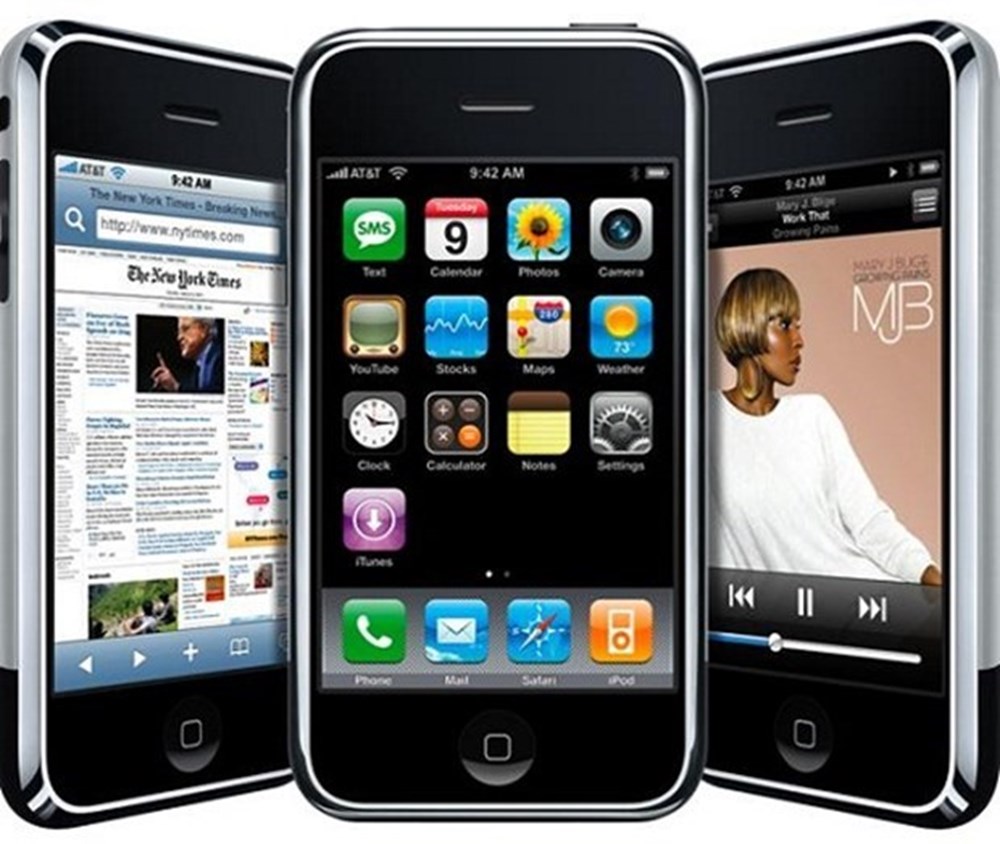
With the introduction of the iPhone, everything changed. Even though the functionally and features were nearly the same as the top tier phones form Nokia (previous imagery), the convergence of these functions with the usability of the large touch screen defined a moment when the phone, was no longer a phone.
It was now, and will forever be, a mobile device. This shift has now defined user patterns to the extent that phone calls have a lower priority today. Text messaging (SMS), WhatsApp, Facetime, Google Maps, Waze, etc. are the comms channels of choice.
Since the introduction of the iPhone, every subsequent Apple and competitor model, has been refining their products based on these key functions with a large touch sensitive screen. It’s no longer a phone, except in nickname.
The automobile has made a very similar transition. Previously, gauges and warning lights were used so that the driver could get a clue as to the status of the vehicle by interpreting readouts traditional dial gauges and warning lights, or later by using displays. The usage of a display instead of a gauge, wasn’t based on a functional or user need; as technology advanced it became less expensive and easier to route all information readouts through a display.
1971 Lamborghini Countach LP500 show property
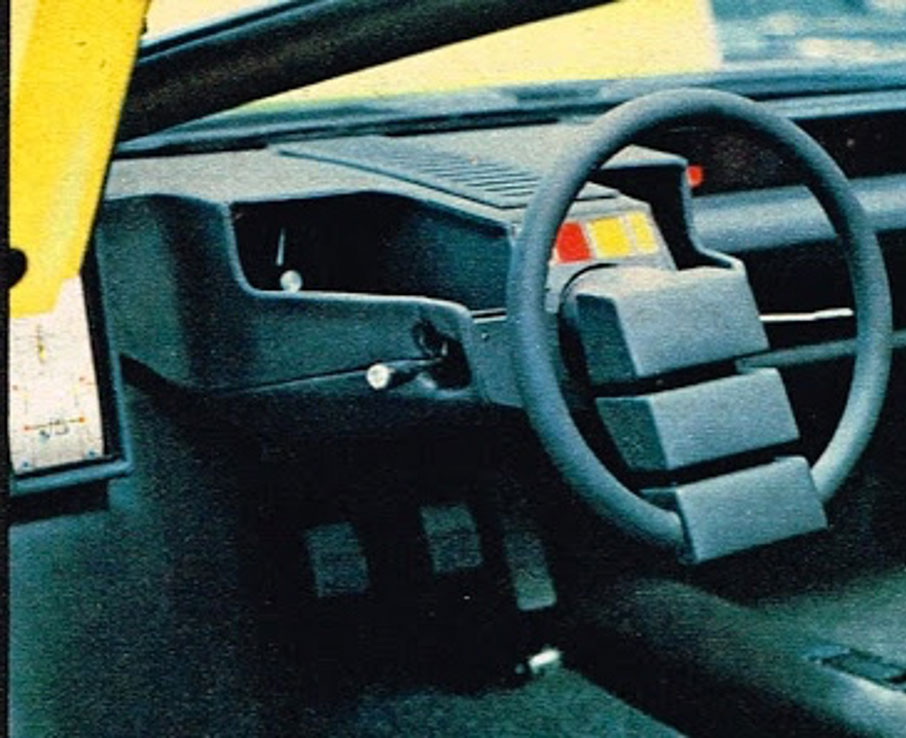
The diagnostic display (on the A pillar with warning lamps over the Lamborghini layout) shown on the 1971 Lamborghini Countach LP500 show property was used to show failures within the vehicle operation.
1986 Vector W8
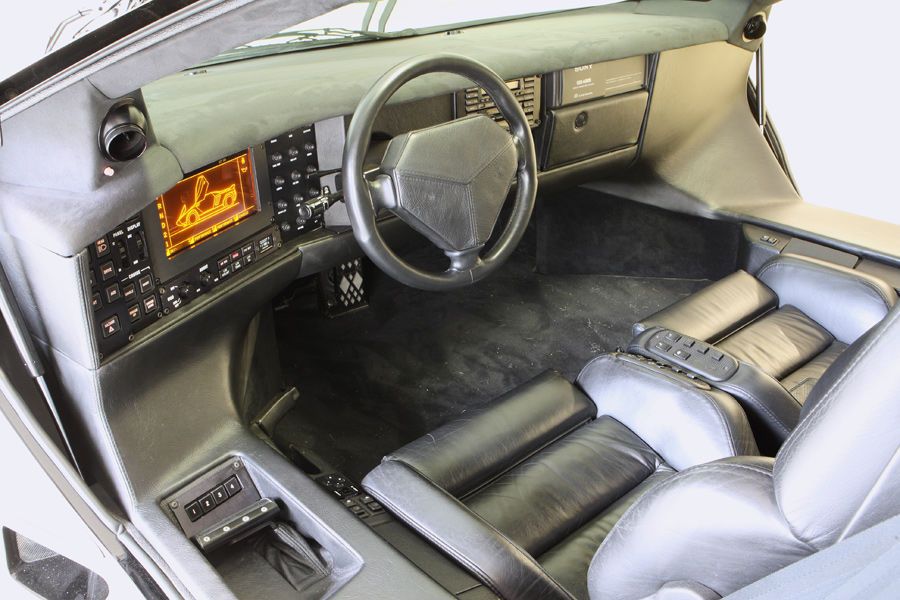
The 1986 Vector W8 used a diagnostic display lifted directly from the aviation industry to also identify problems with the vehicles function.
1983 Oldsmobile Toronado
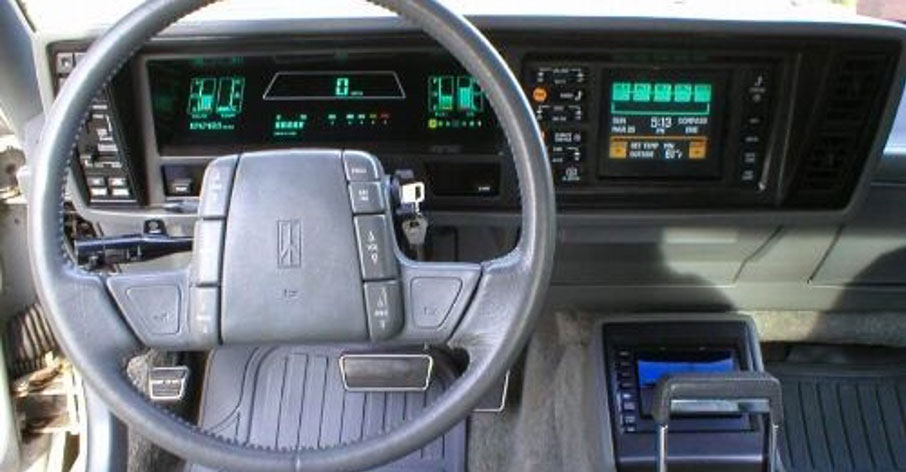
Also, in the 1980’s General Motors, as shown in this 1983 Oldsmobile Toronado, developed a digital display for both the cluster and center console that included audio equalization functions within their screens. And yes, also steering wheel controls too.
Buick Riviera
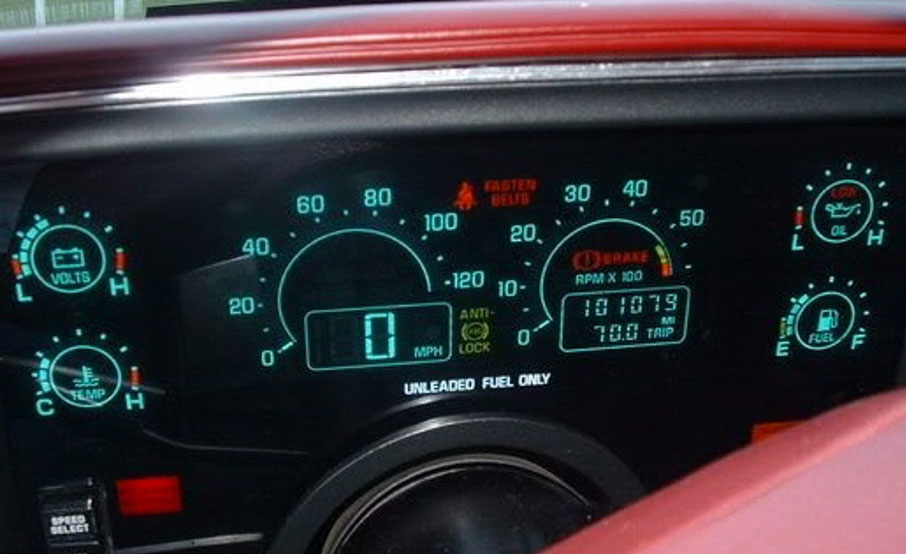
This technology from General Motors was also used on the Buick Riviera and Reatta throughout the 1980’s.
Buick Reatta
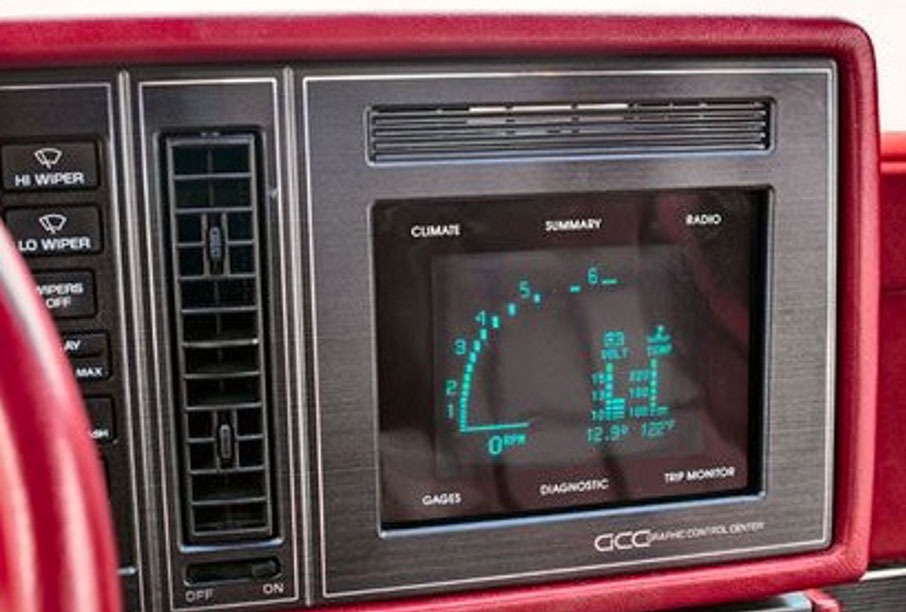
Even though the mainstream use of digital screens began in the 1980’s, it wasn’t until the addition of GPS navigation (a new functionality), that the impact was going to be sustained.
1991 Mazda Cosmo without GPS Navigation
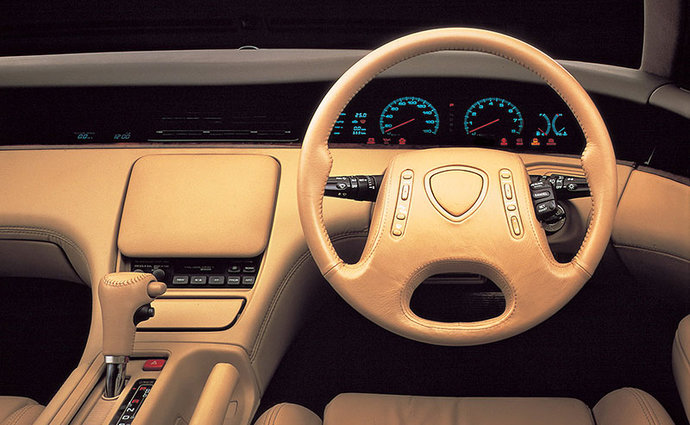
1991 was a milestone as the Eunos (Mazda) Cosmo was the first production vehicle to offer a GPS navigation feature. You can easily see the impact on the floor console/center stack area on the cars with and without the options
1991 Mazda Cosmo with GPS Navigation
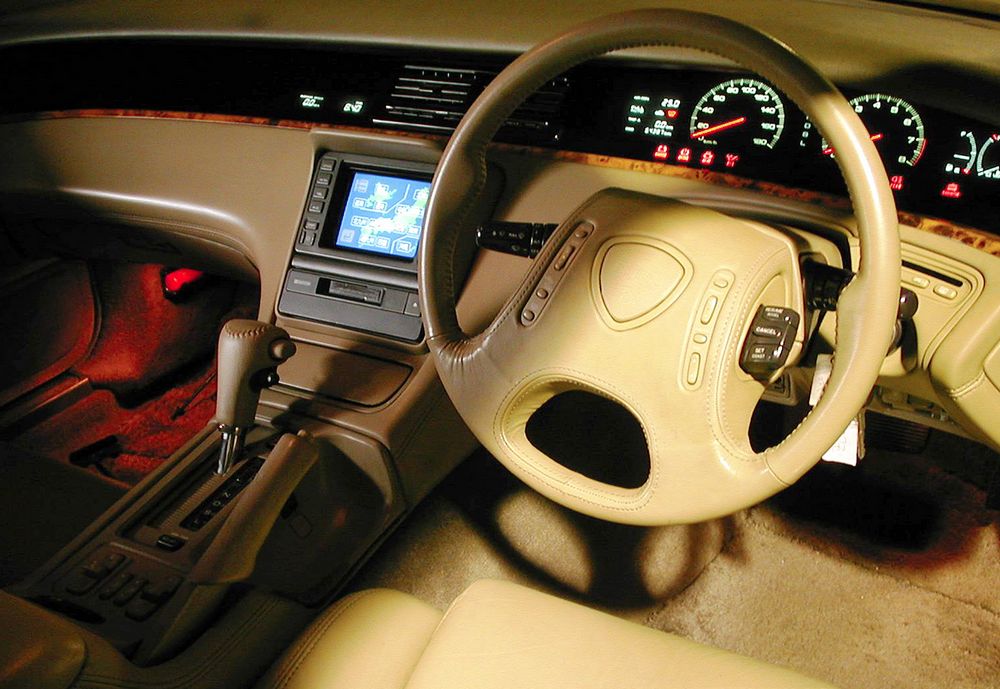
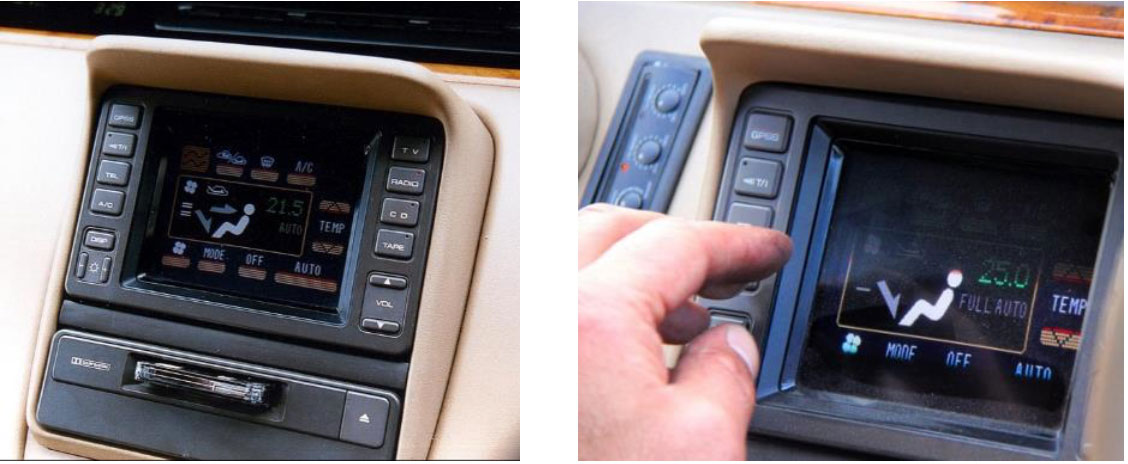
This quickly became the standard solution for automaker. To have a standard variation control area with small LCD information screens, as seen in the 1993 Lexus, and the optional GPS version.
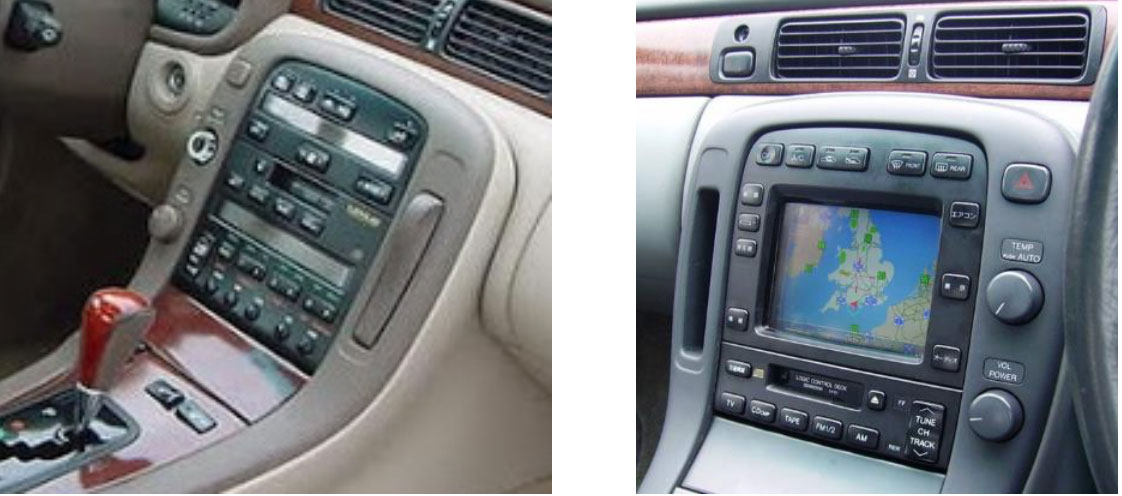
Although some OEM’s also used rudimentary touch screen technology, speed and user friendliness was not developed enough for a smooth user interaction. Remember the GPS used CD’s for their regional map data.
BMW iDrive Gen 1
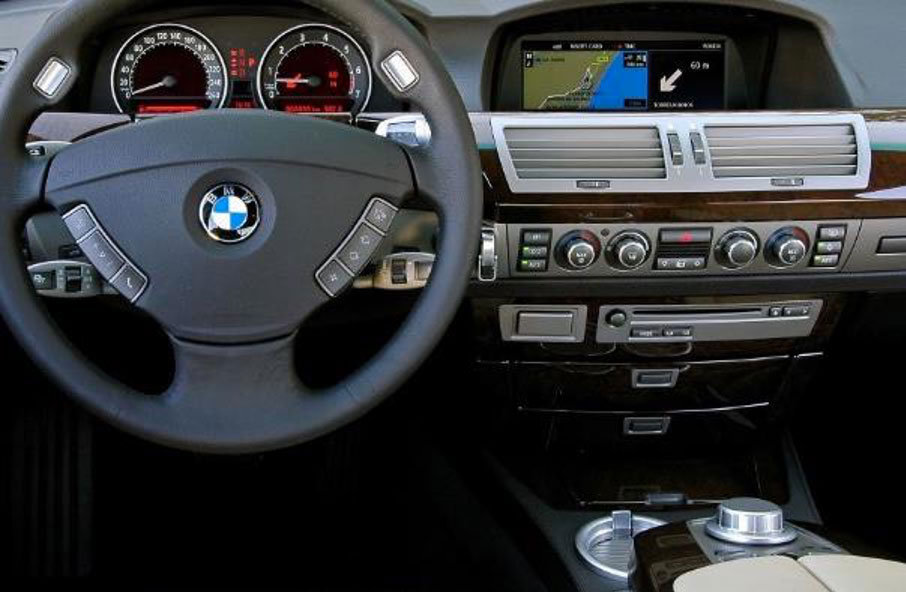
With BMW’s introduction of the iDrive system, and its subsequent evolution, we now have entered the modern area of UX/HMI design and its functional requirements.
Land Rover
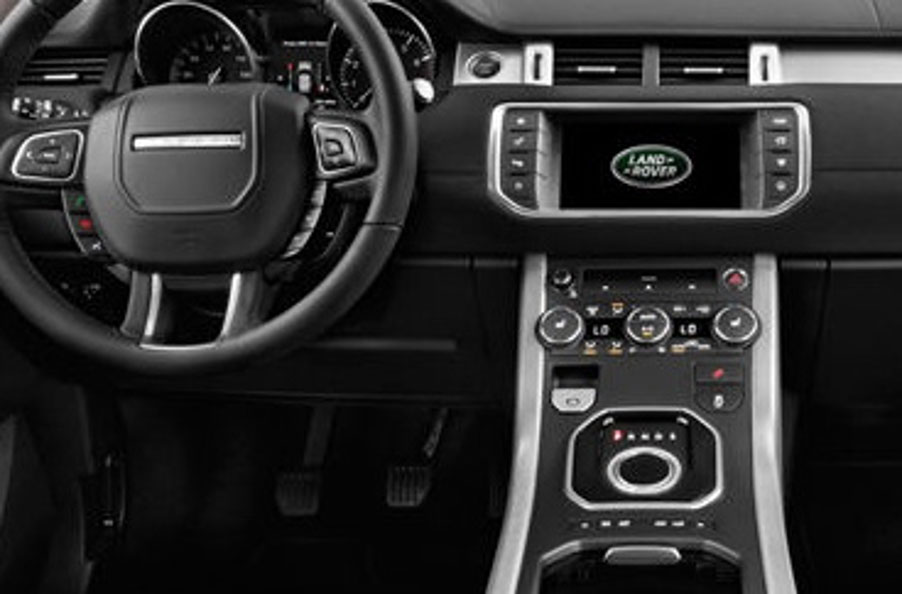
Land Rover with touch screen integrated UX/HMI including an e-parking brake and shifter.
The introduction of Teslas’ large format center touch screen made the same impact and convergence of technology as Apple’s original iPhone had on the smartphone industry.
Tesla Model 3
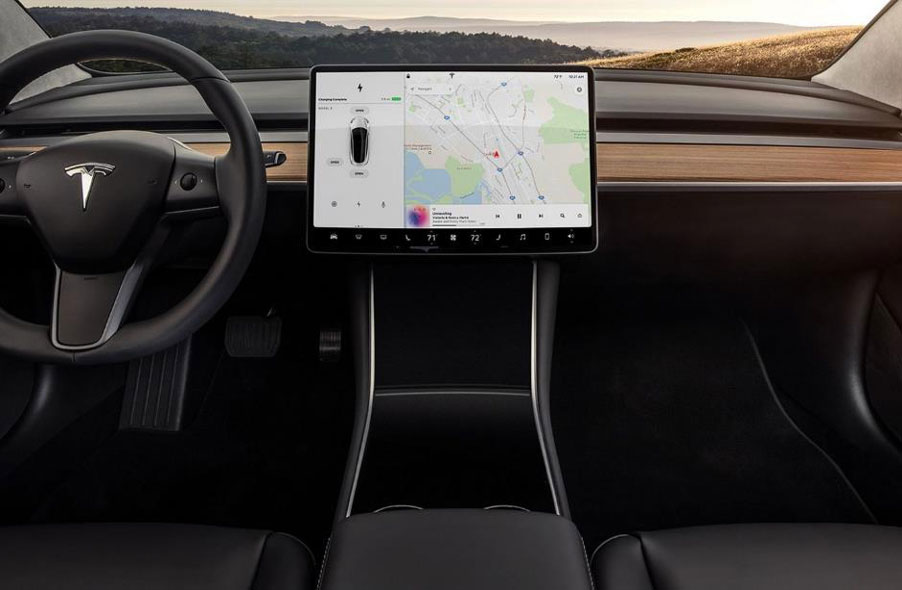
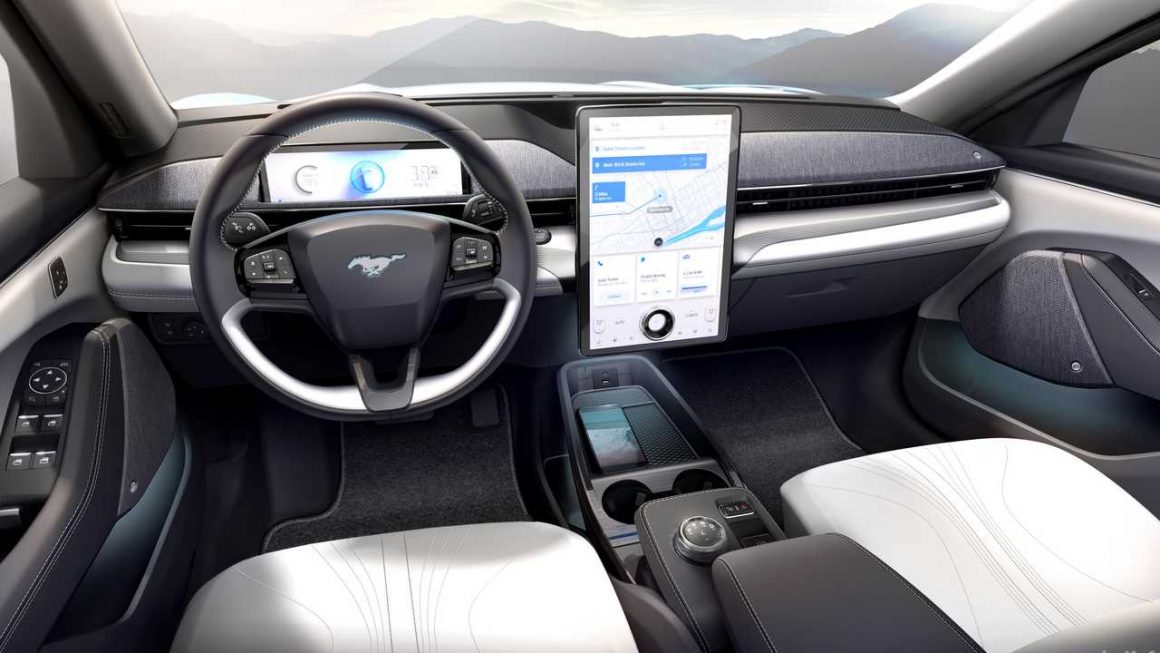
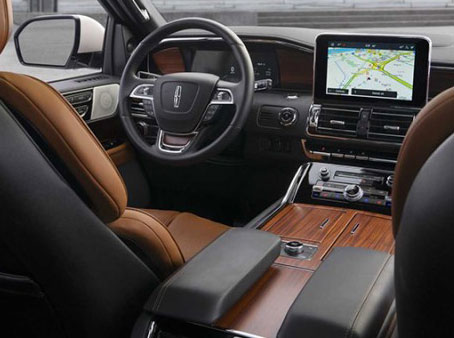
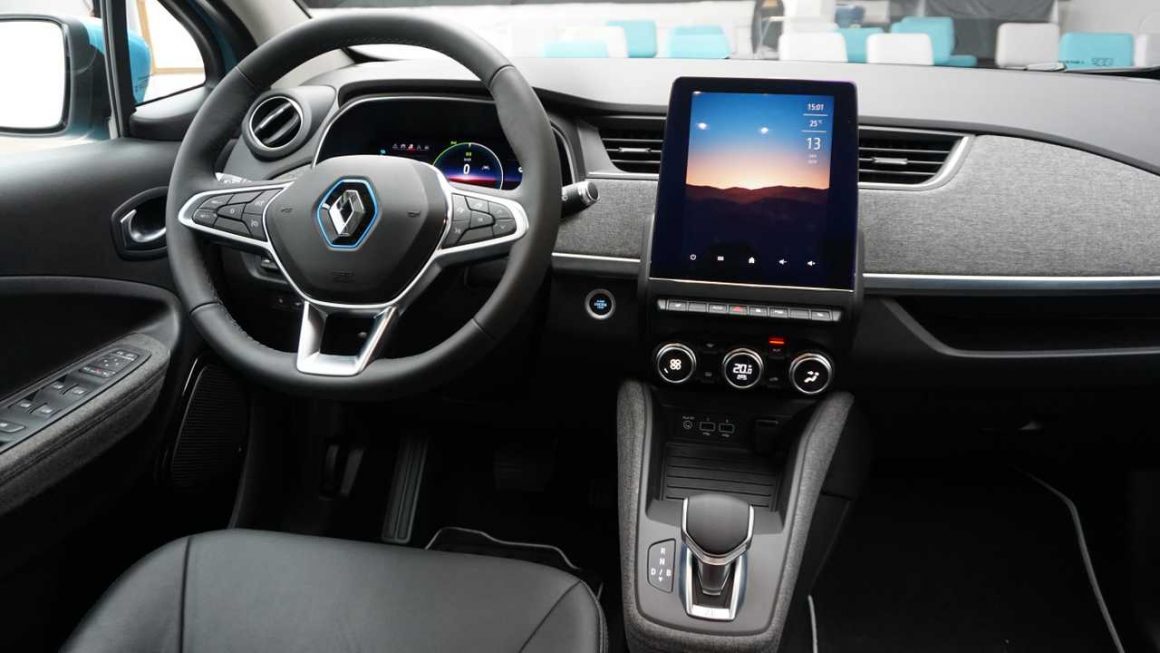
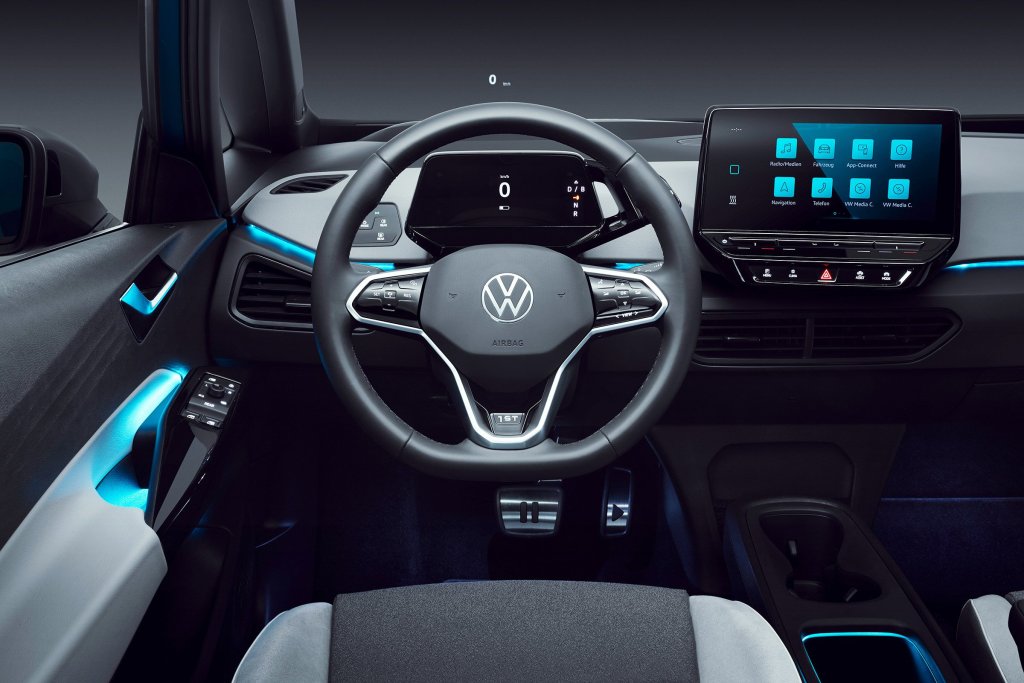
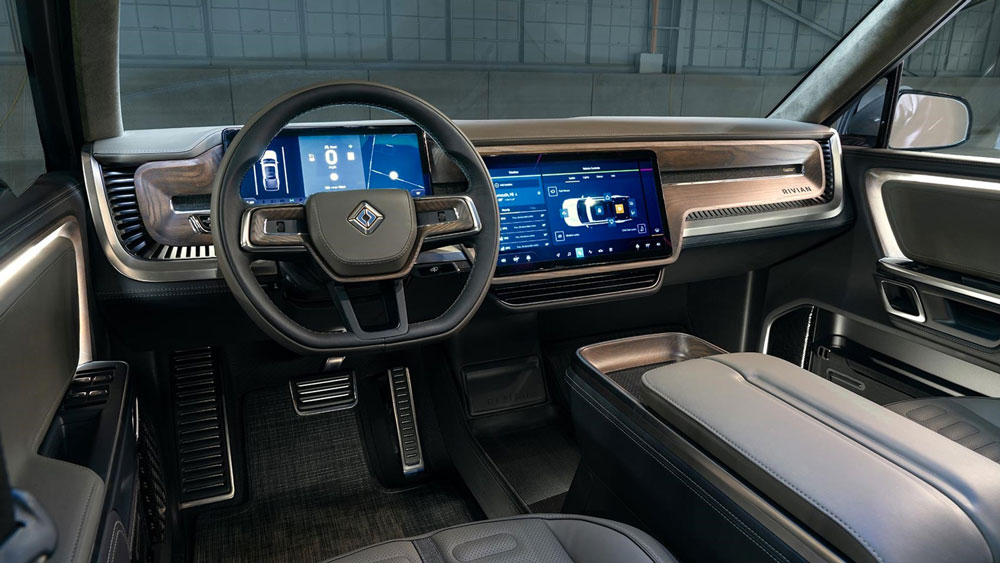
Today’s UX/HMI screens have followed the smartphone industries example of a large, centrally located, tablet-style, touch-sensitive screen that enables today’s connectivity priorities.
Ford Mustang Mach E
2020 Lincoln Navigator
2020 Renault Zoe
2020 Volkswagen ID 3
2020 Rivian R1T
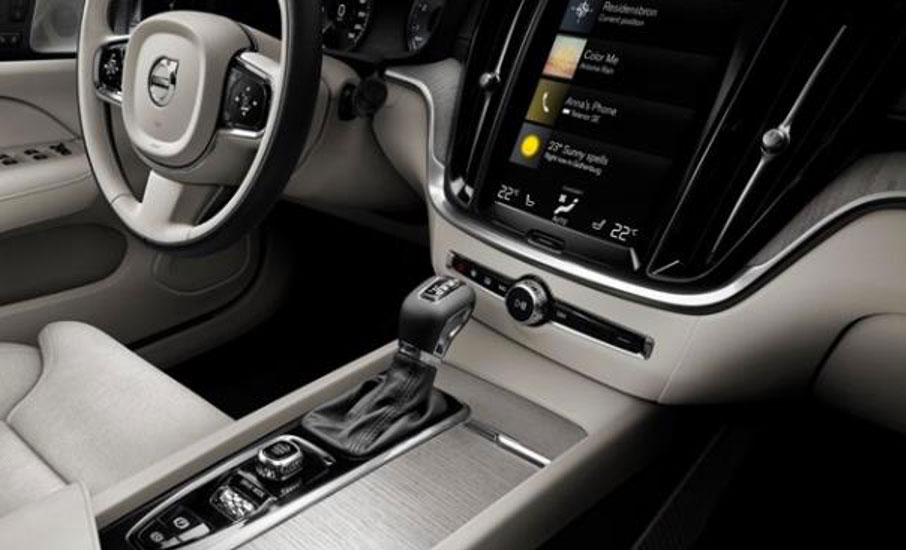
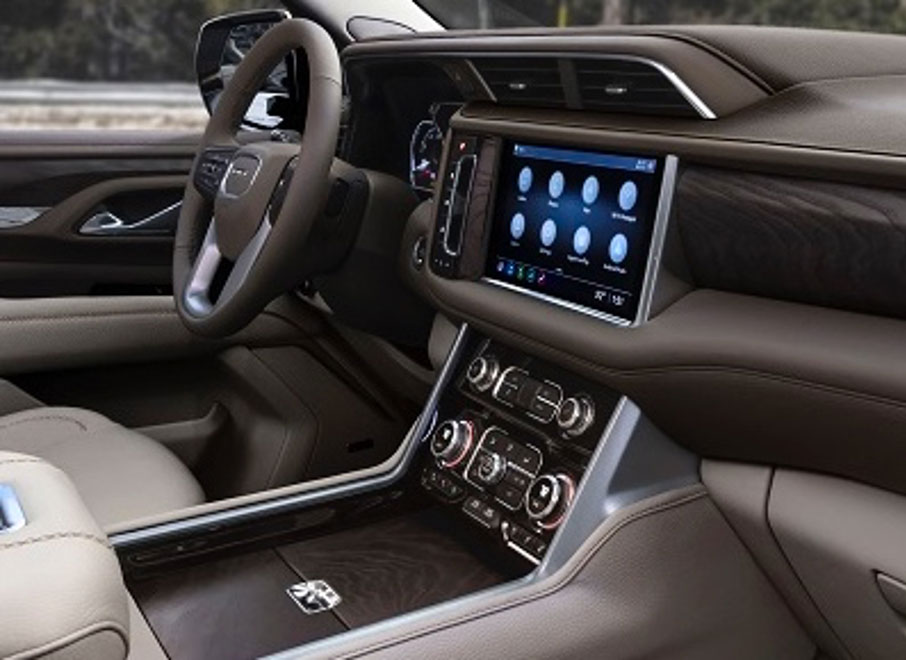
Integration into the instrument panel, as seen with Chevrolet and Volvo, is also a technique used to differentiate the brand character by various automakers.
2020 Volvo XC 90
2020 Chevrolet Sierra
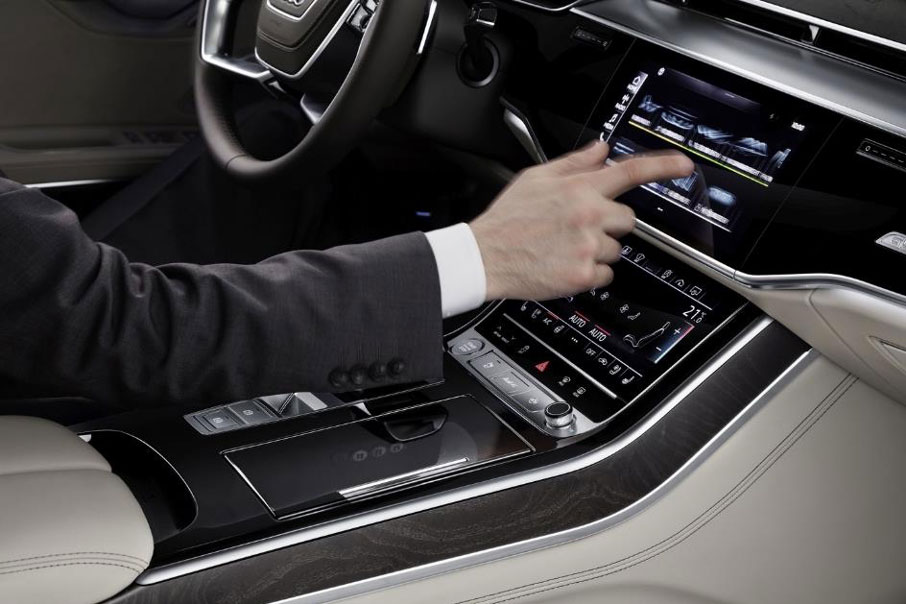
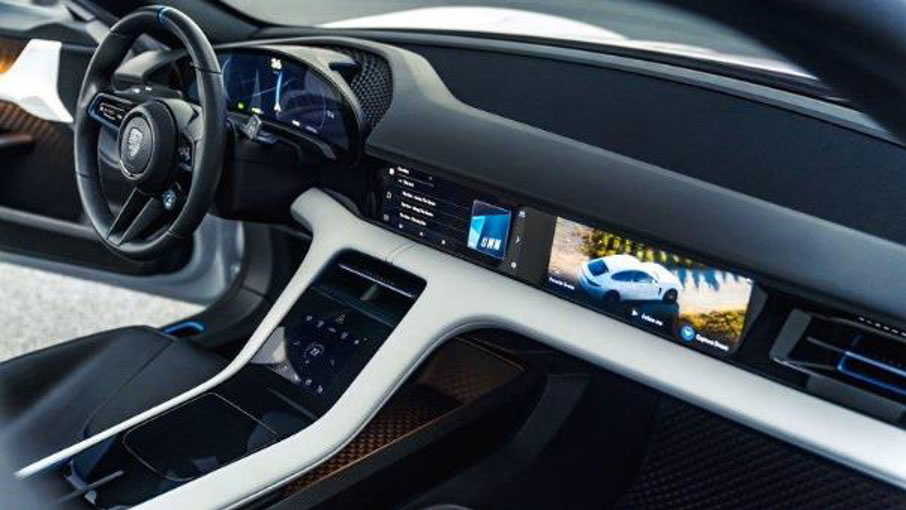
A contrasting, or more traditional design integration technique, is also being used by Audi and Porsche that increases the number of touch screens within the vehicle (eliminating the various buttons) while visually tying-in the gloss black surfaces to the overall interior design theme.
2020 Audi Q7
2020 Porsche Taycan
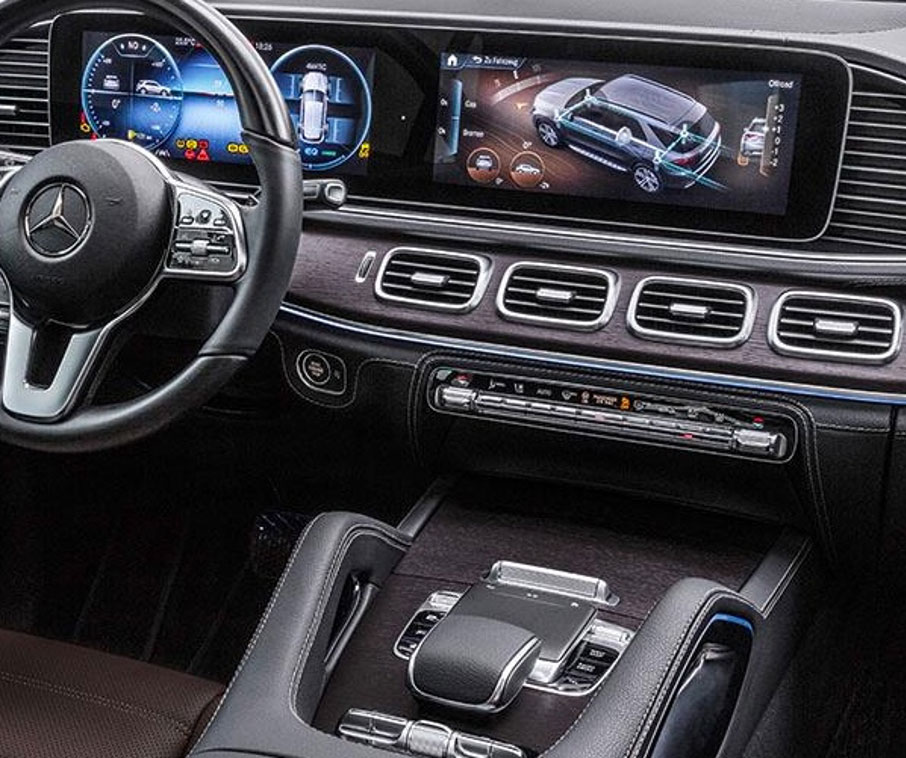
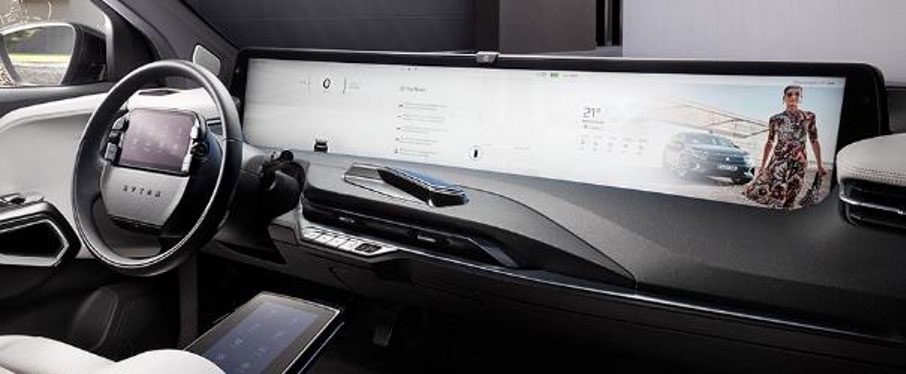
Lastly, the expansion of the large-format center screen to include the cluster, or eventually the entire width of the interior, has now established that the UX/HMI interface has a higher priority than the traditional dial gauge/warning light vehicle information that was the norm since the inception of the automobile.
2020 Mercedes GLE
2020 Byton M-Byte
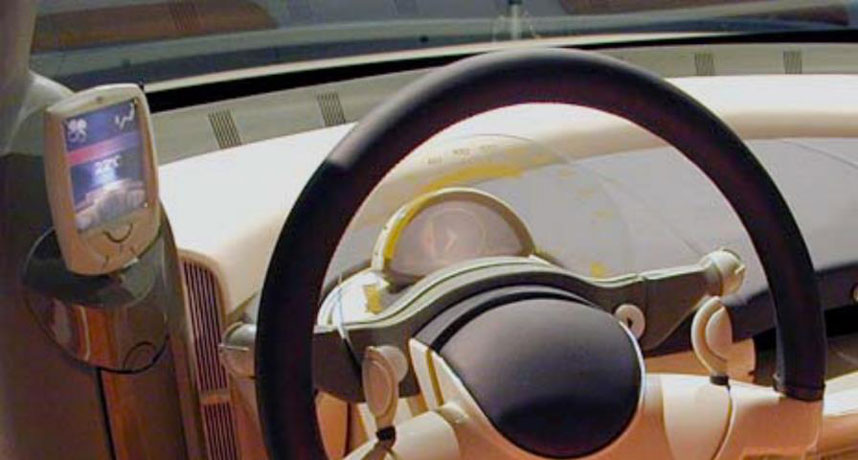
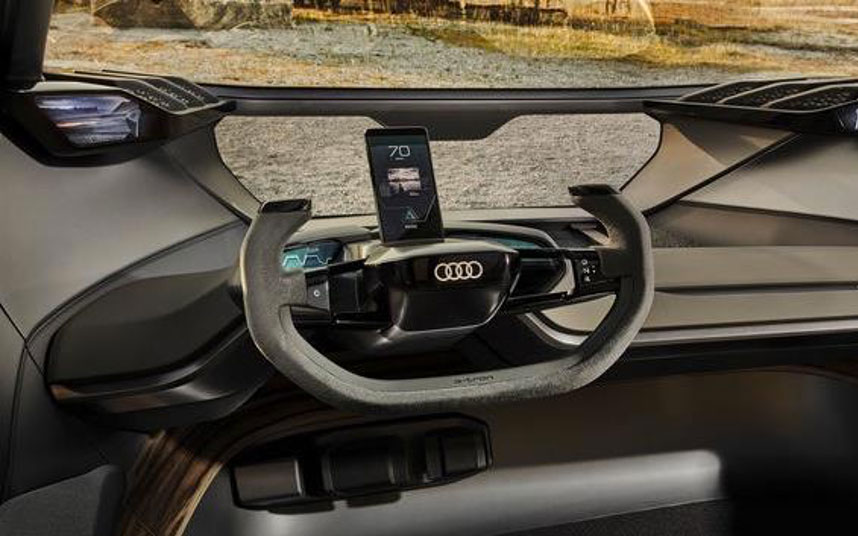
What the future direction may hold is an unresolved question. Will the designs follow the smartphone lead with foldable technology? Or the minimalist approach that uses the smartphone as a display?
2000 Johnson Controls Kion – Concept
2019 Audi AI:Trail
Or will the complete windshield become a display and interface as shown in last year’s Tokyo motor show by Mitsubishi?
2019 Mitsubishi Mi:Tech – Concept
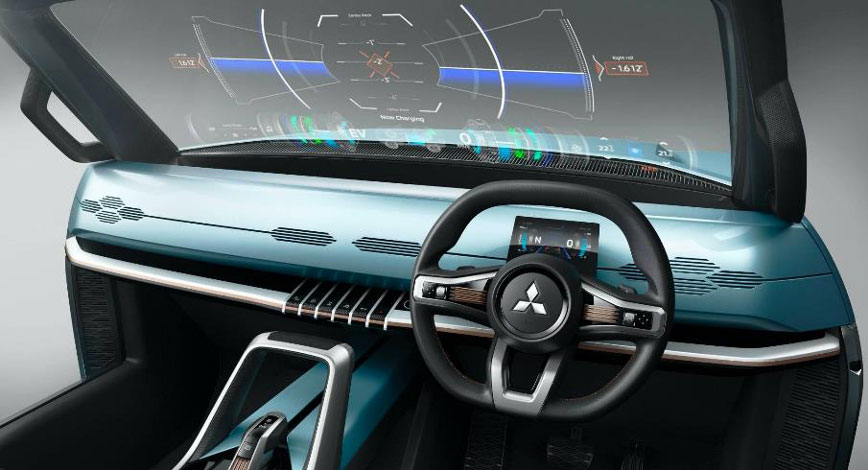
Either way, the UX/HMI functionality driven by the prioritization of connectivity within the vehicle will spawn new solutions and aesthetics within the interior environment.


