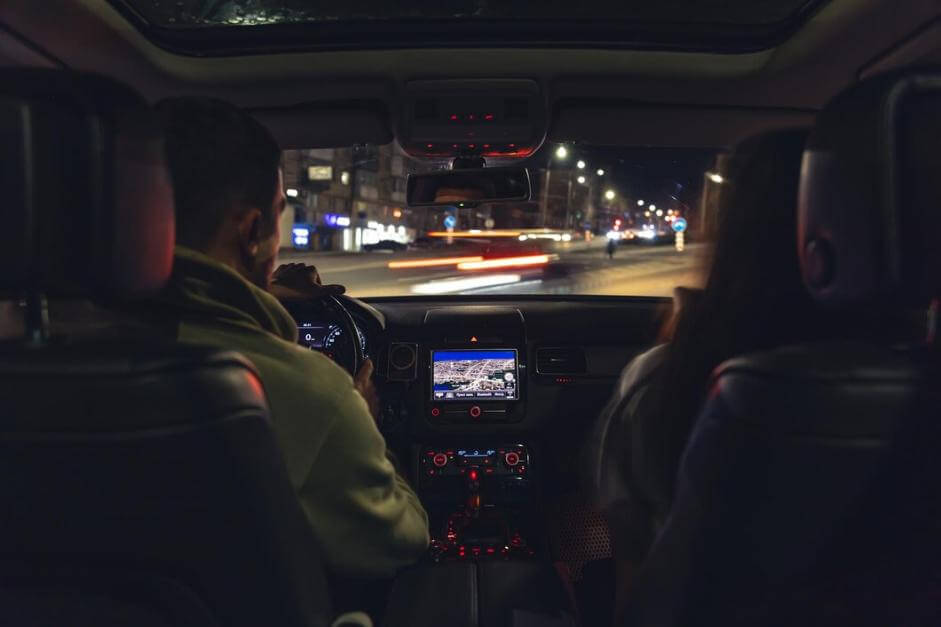
Cities are increasingly embracing the night economy—a thriving ecosystem of late-night diners, cultural hubs, logistics, and 24-hour services. The World Economic Forum has quantified how this after-dark activity contributes massively to urban vitality and economic resilience. As cities evolve, so does mobility. Vehicles are equipped with enhanced lighting and sensing to see, be seen, and navigate.
Meanwhile, vehicles are shifting from just conveyance to adaptive environments tailored for night use—comfortable, sensory-rich, and flexible.
Just a snapshot in the past, and you would remember car interiors, especially from the 1970s through the 1990s with a certain spartan charm. The only light was from the dome light overhead or streetlights outside, and when it came to lost coins and the ritual of finding them the next morning, where deep pile carpet made it nearly impossible to hear or feel a coin drop (though the relatively wide-open spaces around and under seats made them easy to retrieve once we could see them).
With life and mobility extending into the night, car interiors shift from passive spaces to experiential, ergonomic, and dynamic ones.
Lighting is there to improve interior visibility, to decorate the interior, and to set the mood.
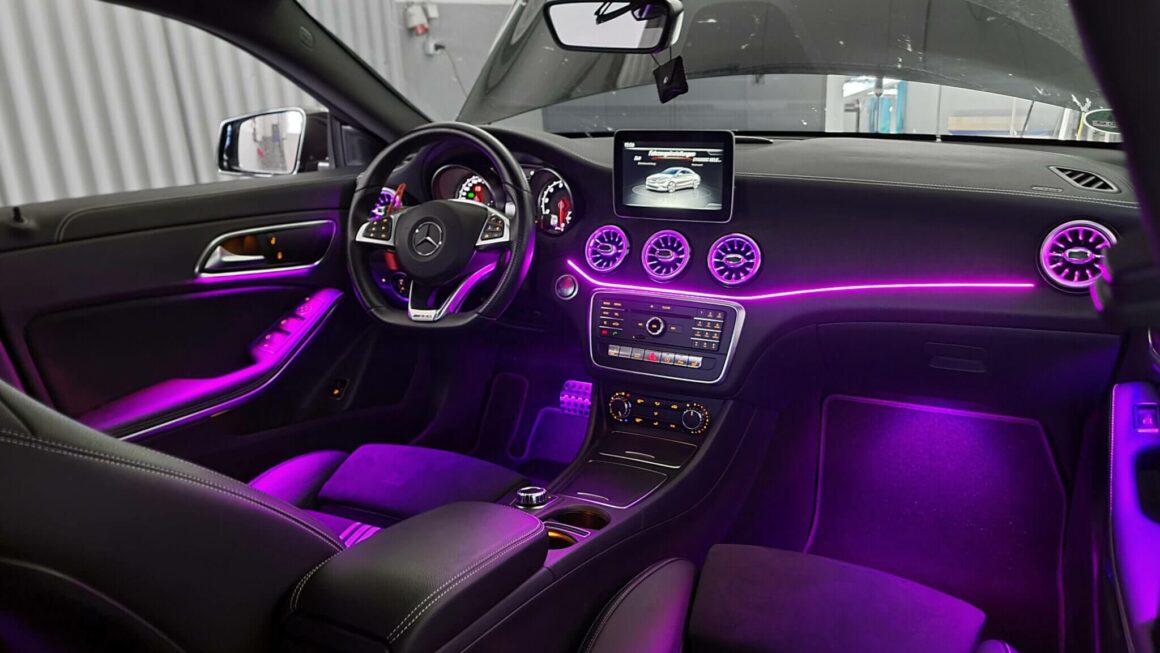
Interior lighting was and is under the spotlight at DVN Interior since the start, in all our activities, newsletters and workshop events, including the upcoming ones in Shanghai, Torino, and Munich.
Lighting inside a car isn’t just for fashion fun. It shapes the driving experience, making it safer and aesthetically pleasing. It also embraces energy efficiency and recyclable components. An interior lighting portfolio addresses market trends including interior design, CMF, and ambiance to become a brand signature, and task lighting for reading, alerts, and more.
But adaptation to the night economy is much more than lighting! At night, drivers and passengers are naturally more prone to fatigue, night driving can be more stressful due to reduced visibility, glare from other vehicles’ headlights, and the body’s natural circadian rhythms. Nighttime temperatures can drop significantly, and poor climate control can make the cabin feel cold or stuffy. Outside noise and vibrations can feel more intrusive due to the quieter environment, and the ability to rest or sleep comfortably is important obviously for passengers, especially on long trips. So, at night, a car’s interior becomes much more than just a travel space: it’s a haven of peace, relaxation, and safety. Thoughtful design and comfort features have a direct impact on everyone’s well-being.
Let’s look at some examples of innovation changing the in-car user experience.
Comfort & Well-Being
• Memory foam, gel inserts, and phase-change materials offer thermal regulation and ergonomic support—essential during extended nocturnal use.
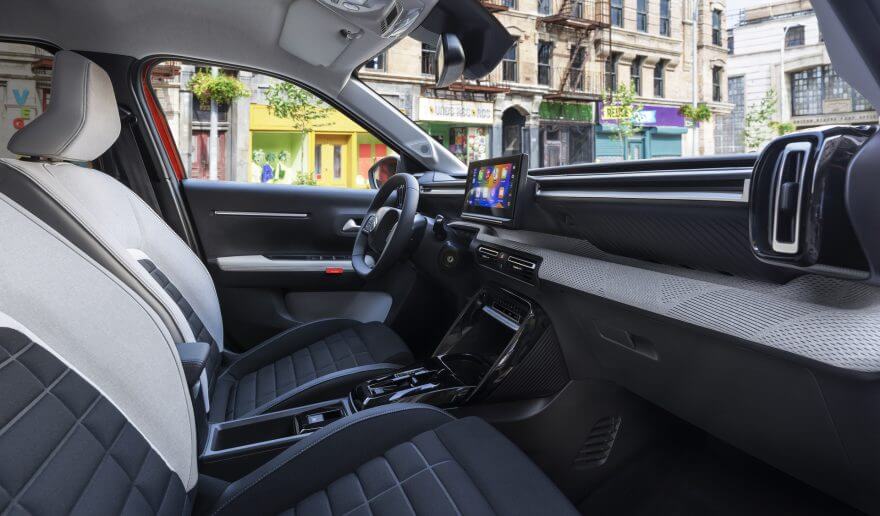
Citroën’s C-Zen Lounge variant of the C5 Aircross merges ambient lighting, soft dashboard materials, vine-shoot fabrics, and massaging seat functions to create a night-ready sanctuary
Seating & Health
Features like reclining seats, headrests, and soft materials can make a big difference in how well passengers can relax or sleep, which is especially important for children or those traveling overnight.
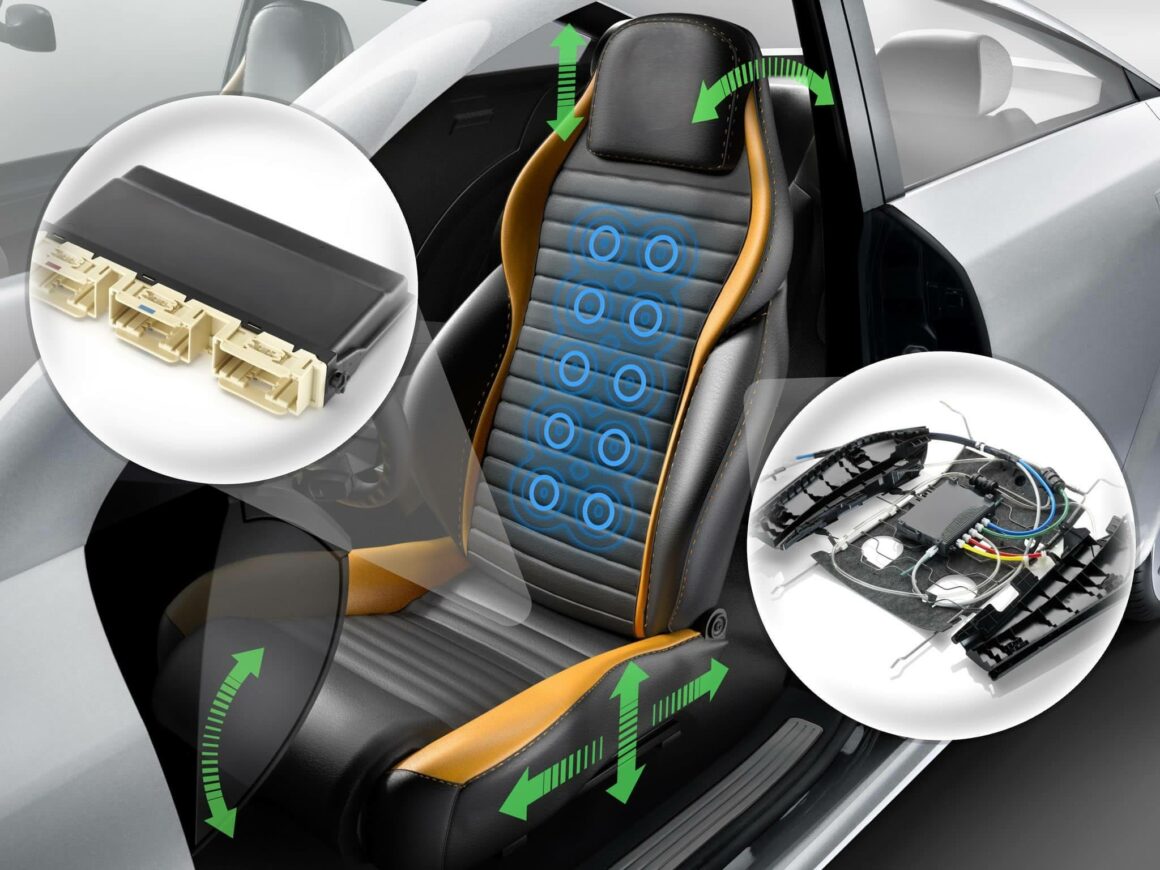
Adjustable lumbar support, massage, heating, cooling, and active posture systems help maintain comfort and alertness in long or autonomous night journeys
Acoustic Comfort & Mood
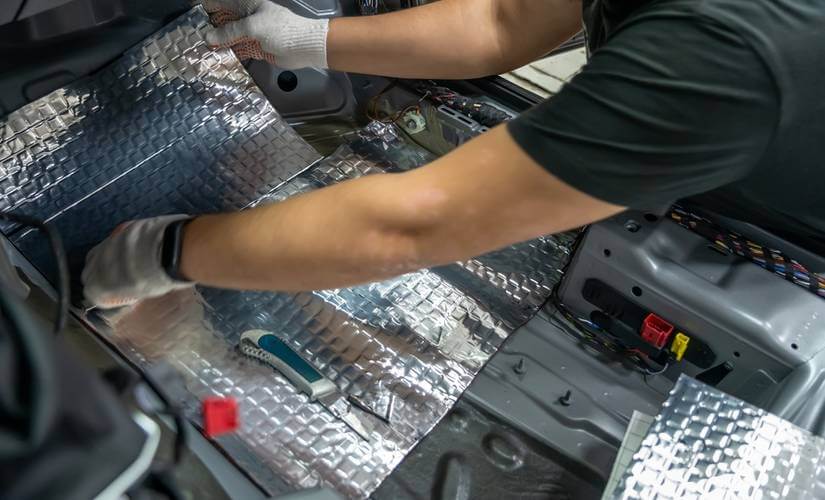
Traditionally, the only way was to add a mass of sound absorbing material around the cabin, like the soundproofing mats in the picture here. It was pretty standard to add 30 to 40 kg of these along the last steps of the vehicle development. Now, with sensors, speakers and software we get similar performance or even better, and with much lower mass. Techniques include
• Active noise cancellation, acoustic glass, and damping reduce sensory overload, with technology like Bose‘s or Silentum‘s, or Hyundai’s Road-Noise Active Noise Control (RANC) system.
• Designers like NewTerritory propose multisensory interiors featuring vibration-responsive seats, scent diffusion, and tactile controls—a perfect night environment buffer.
• New BSR-reducing plastic materials (buzz, squeak, rattle) prevent interior noise coming from material friction and increase acoustic comfort.
Night-Ready Luxury Reinvented
- Car interiors designed for round-the-clock use transform evening drives into immersive, sensory experiences. Imagine ambient lighting that adapts to your mood – soft blues for calm, warm ambers for energy – paired with plush, temperature-regulated seats and noise-canceling cabins. Intuitive touchscreens and voice controls let you adjust settings effortlessly, while premium materials like hand-stitched leather and sustainable woods add timeless elegance. It could be also around entertainment, for passenger distraction. It’s not just a car; it’s a sanctuary designed for comfort, style, and connection, day or night. Examples include the BMW i7 / 7 Series’ rear-seat Theatre Screen for mobile cinema and distraction-free rest, or the AR windshields and adaptive lighting from Hyundai Mobis to protect eyes and enhance perception at night. More examples:
Sony Honda Afeela: Digital hub with gaming and AI personalization tailored to nocturnal digital lifestyles.
• BYD’s vibrant, music-synced lighting and media screens appeal to youth-oriented nightlife culture.
• Mercedes-Benz’s MBUX Hyperscreen includes lighting that dims, accentuates, or warns based on context.
• Volvo & Polestar have sustainable, calming night interiors aligned with environmental sensibilities and comfort.
• Toyota & Nio tailor shared-mobility interiors with group seating, wellness features, and ambient modes.

The night economy is even more interesting for logistics, especially in cities, where traffic is clearer at night.
Delivery in the Dark: The Logistics Shift
Urban freight is migrating into the night to avoid congestion.

- In London, electric trucks now deliver into pedestrian zones like Oxford Street overnight, vastly improving speed and efficiency. In Stockholm, Scania and partners are testing quiet, electric setups for nocturnal deliveries. In Paris, night deliveries in the 13th arrondissement reduced congestion by 18 per cent, CO2 emissions by 8 per cent, and sped up unloading times.
These developments demand vehicle interiors that can serve as workspaces, lounges, or rest zones for night-time drivers and logisticians.
In that respect, interiors should integrate fold-out desks, wireless charging, and ergonomic seating, allowing professionals to work efficiently during long hauls or overnight trips. High-speed connectivity and voice-activated controls keep productivity seamless. This approach doesn’t just enhance comfort—it redefines the vehicle as a mobile hub for work, relaxation, and rest, tailored to the demands of modern, round-the-clock lifestyles.
And delivery in the dark is a playground for autonomous driving; nighttime is a logical fit for autonomous vehicles. Real-world data supports it: Aurora Innovation now runs 24/7 autonomous freight operations between Dallas and Houston, using advanced lidar systems capable of spotting obstacles up to 500 meters away, reacting even faster than humans. These vehicles are at least theoretically safer thanks to fatigue-free driving, clearer sensors, and reduced nighttime traffic flows.
And in Beijing, WeRide has received approval to conduct nighttime robotaxi testing (10 p.m.–7 a.m.), using fleets with high-dynamic-range cameras and lidar plus sensor-cleaning tech to ensure reliable perception under low-light and harsh weather conditions.
These innovations emphasize the viability and advantage of autonomous systems during night hours, when traffic is lighter and automated systems face fewer variables.
Conclusion: Interiors as Cornerstones of the Night Economy

The night is no longer off-hours, it’s an opportunity for innovation and redesign. Whether it’s robotic trucks on deserted highways, driverless cabs roaming city streets, or executives unwinding on night commutes, vehicles must offer ergonomic comfort, sensory well-being, and function for work or rest.
Interiors are no longer just about how passengers sit—they’re about how they feel, what they do, and how they connect with the night. And the night economy is ensuring these spaces are central to the future of mobility.


