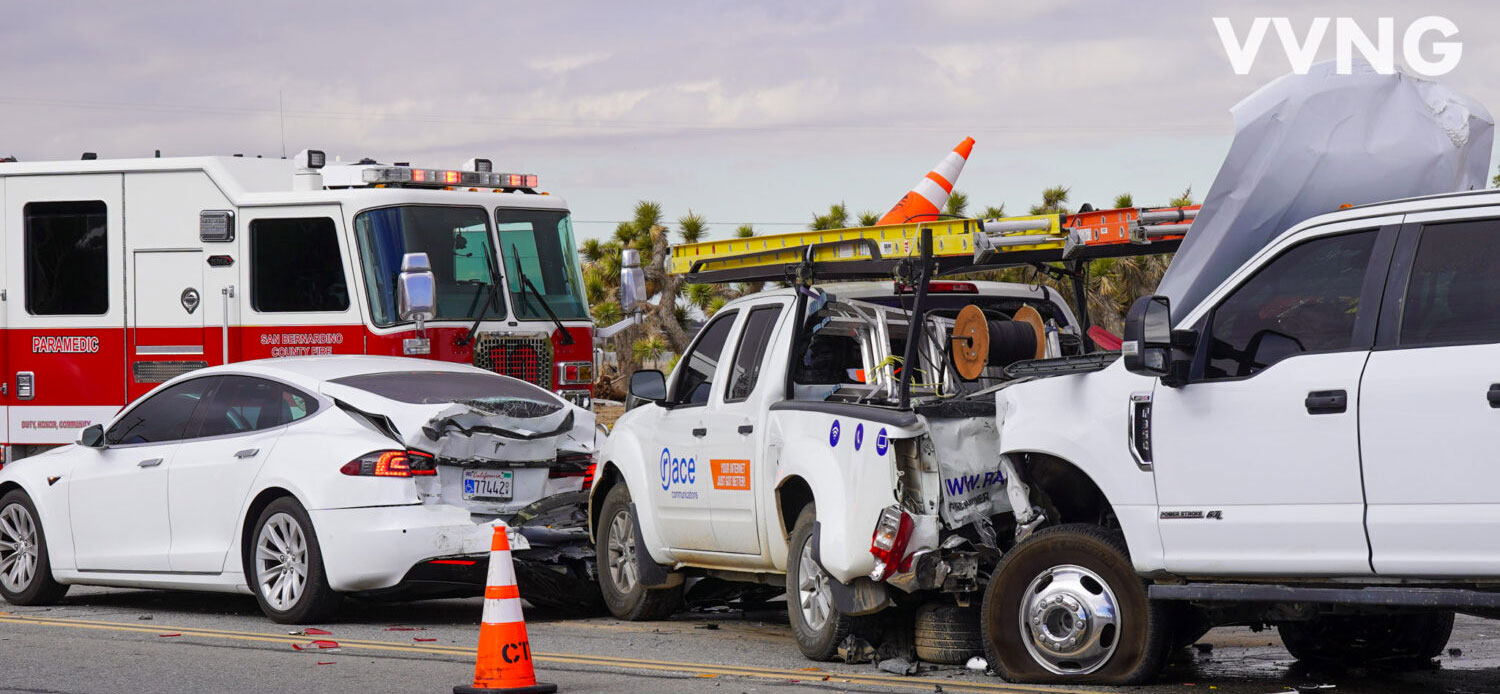
The driver of a 2021 Tesla Model S has told the police his vehicle was in so-called ‘full self-driving’ mode when it took it upon itself to cause an eight-vehicle pileup on the San Francisco Bay bridge last month, which sent two young people to hospital and caused a severe traffic jam. The police report says the vehicle was going 55 mph when it abruptly changed lanes and suddenly braked to about 20 mph. That caused another vehicle to strike the Tesla, and then a chain reaction of crashes.
The crash happened just hours after Musk said Tesla would make FSD software available to anyone in North America who requested it, after having previously offered the system only to drivers with safety scores considered acceptable by Tesla, and who would not post negative comments on the internet.
Tesla publicly insist their cars aren’t autonomous and require active driver supervision, but notoriously cocksure CEO Elon Musk and some of his more sycophantic fans have also filled the internet with tweets and videos suggesting there’s a strong element of nudging and winking about those warnings.
Musk has heavily promoted ‘Full Self-Driving’ (FSD), sold as a $15,000 software update to Tesla vehicles, but the system is facing increasing legal; regulatory, and public scrutiny. The ‘Autopilot’ and ‘Full Self-Driving’ are L2 driver-assist systems, which is part of the reason why Jennifer Homendy, chair of the U.S. National Transportation Safety Board, is among the chorus of safety experts denouncing misleading names for the systems; she has said Tesla must do more to prevent misuse.
NHTSA are among the auto and traffic safety regulatory agencies around the world investigating Tesla after reports of braking “without warning, at random, and often repeatedly in a single drive”. This past summer, the agency published a report finding Tesla vehicles often self-disengage their ‘Autopilot’ mode less than a second before a collision, leaving the driver no time to resume control; around the same time, the agency upgraded their investigation to a more serious engineering analysis.
See DVN’s Tesla ADAS white paper for more detail about differences between claimed and actual performances of Tesla’s ‘Autopilot’ and ‘Full Self Driving’ systems.


