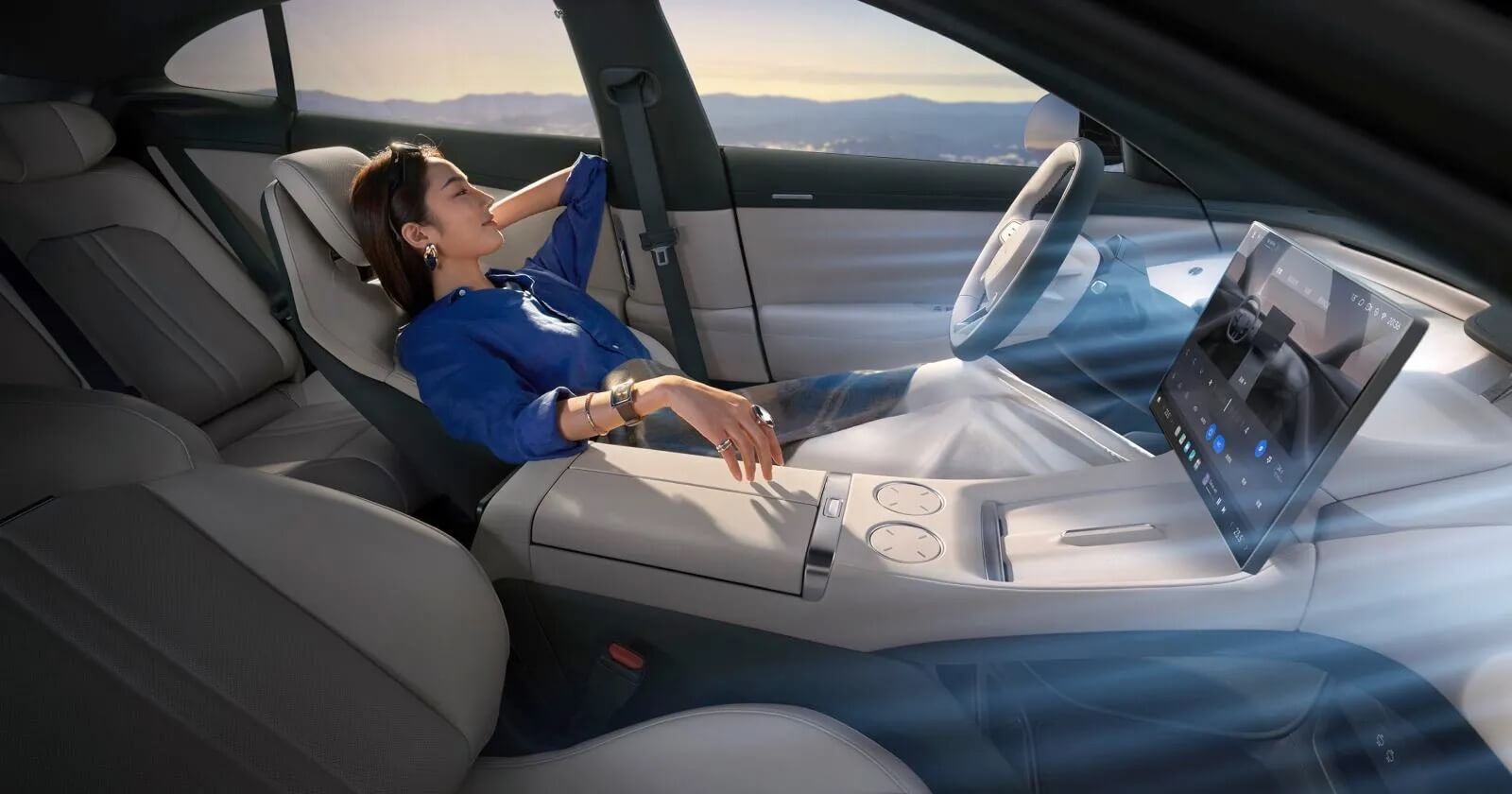
Increasingly, automotive performance is no longer won only on the specs, but in the quality of the in-car experience – and that, in turn is increasingly a function of onboard intelligence. The cabin is turning into a software ecosystem that must ‘understand’ context, stay ‘coherent’ across driving states, and reduce cognitive load on the human occupants. In experience-defined vehicles, the interior becomes a living system, and how that system ‘thinks’ and responds becomes one of the truest expressions of the brand.
From a customer standpoint, the value proposition is straightforward: more calm, less mental juggling, and the feeling that the car is cooperating, working with me. Done well, this becomes a new performance metric: not horsepower, but confidence – confidence per kilometer, one might say.
For automakers, the opportunity is clear: brand identity can shift from what the car looks like to how it behaves: the timing, clarity, accuracy, and consistency of its interactions and communications. Over-the-air updates become a way to improve the vehicle’s behavior.
But adoption will hinge on three points: trust, perceived cost, and complexity management. Customers will not pay for a “wowie” demonstration if the daily value is absent or unclear. And if driver monitoring or advanced HUDs feel intrusive, inconsistent, or overly noisy, the experience can flip from helpful to irritating in a single commute. The winning systems will be those that prove benefits in real-world conditions and make the advanced feel effortless.
Regionally, China is pushing intelligent cockpit innovation fast and at scale. Europe will be demanding on safety, human factors, and acceptance. North America may accelerate as integration maturity and business models align. Same destination, at different speeds, driving there with different gear ratios.
I publish today the report on “DVN Interior & Cockpit workshop”.
Don’t forget: on 14 and 15 January 2026, at the DVN Interior Workshop in Torino, we’ll unpack how color, material, finish, UX, and lighting align to create interiors that are desirable, ergonomic, and truly sustainable.
On the agenda: integrated interior design trends, lighting as an emotional layer of the overall vehicle experience, and sustainable materials that actively feed the brand DNA instead of limiting it.
Designers, engineers, CMF, cockpit and lighting experts will exchange perspectives to move from nice design palettes to actionable solutions.
For a deep dive into the future of automotive interiors – where UX/UI, material responsibility, and design excellence converge in the same lane – join us in Torino.
Reserve your place now on the Driving Vision News website or by sending me an email.
Take care,