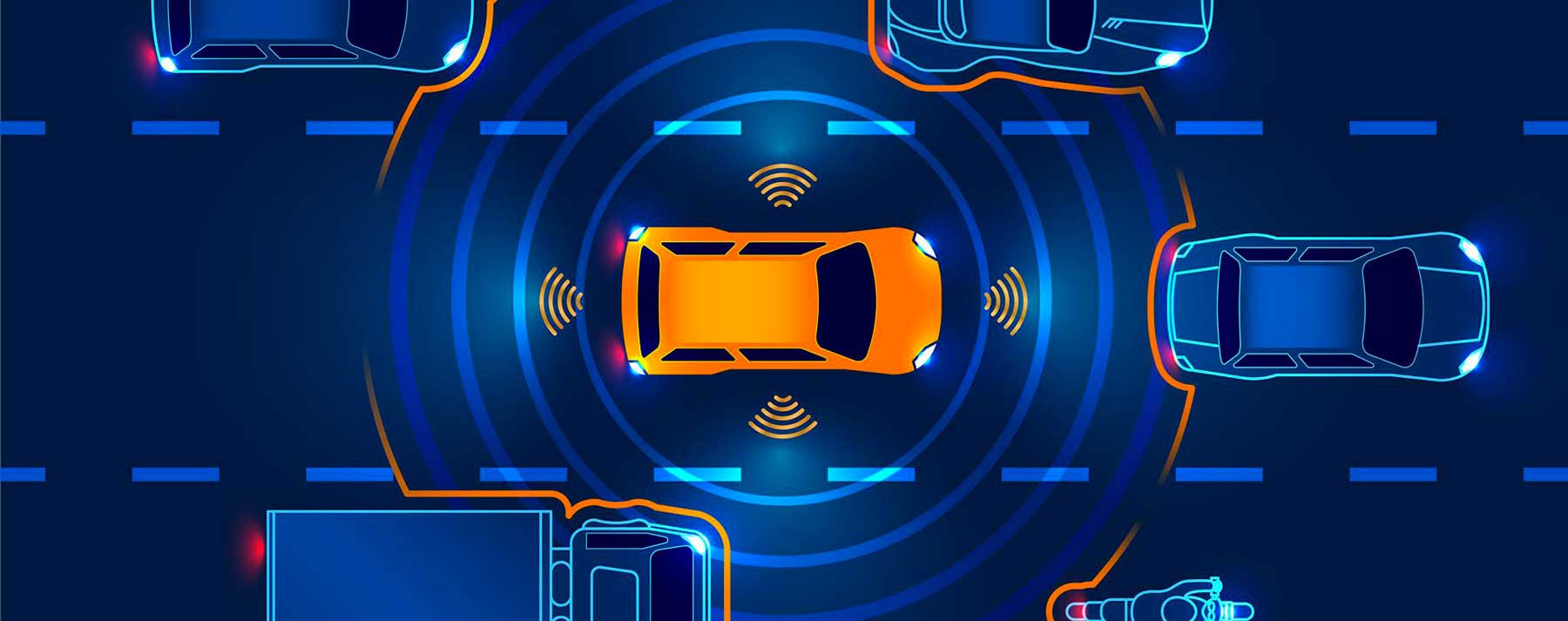
IIHS has released a new rating program that evaluates driving assistance systems offering partial automation. Nearly all systems tested (all US-market vehicles) received a poor rating. Ratings are considering how the system incorporate driver monitoring, attention reminders, system performance and features. This shows the maturity of these systems is still very limited.
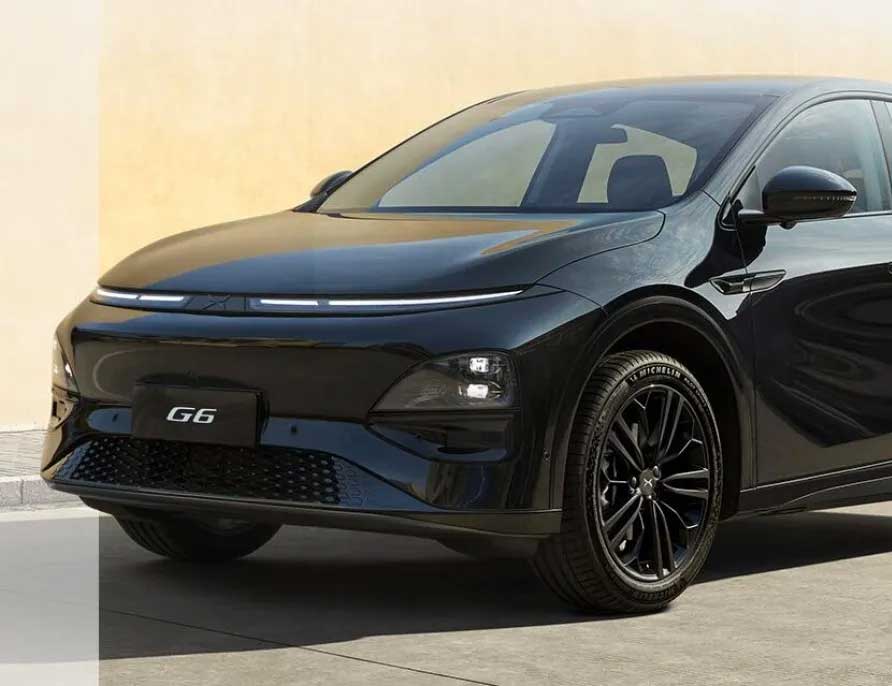
XPENG has a new edition of their G6 car, the 580 Long-Range Plus, with a limited-time promotional price of C¥179,900. It is a cheap price for the full-domain 800V silicon carbide platform and advanced intelligent driving capabilities. the new car is equipped with lidar.

Volkswagen Group showcased 17 car models at the Beijing Auto Show, where the ID.Code concept car made its debut on the opening day. It is a design show car that Volkswagen will use as a concept for their future ID range in China. According to Volkswagen, the steering wheel can retract into the dashboard when L4 autonomous driving mode is activated.
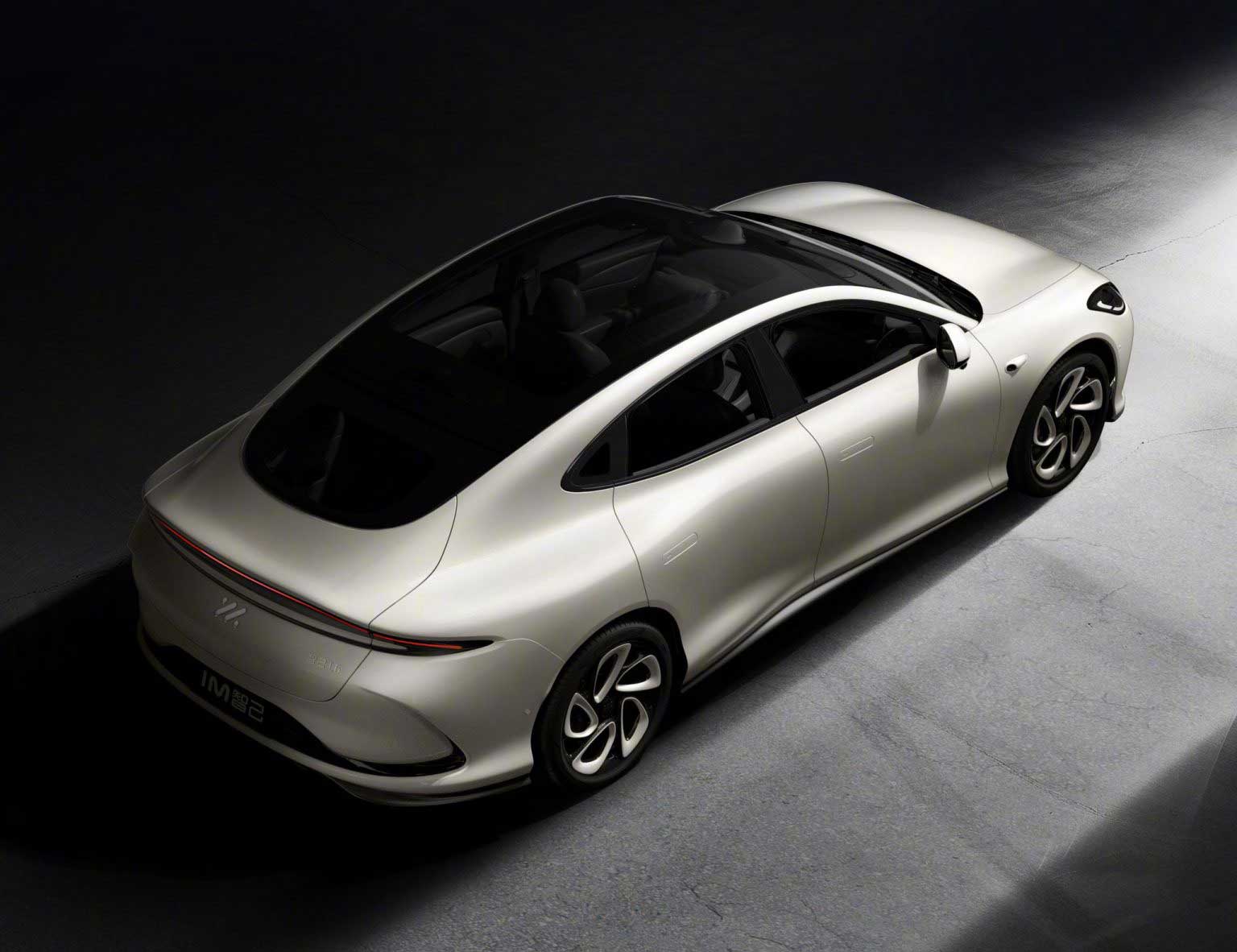
IM Motors officially launched their ‘super smart sedan’, the L6, and opened presales at the same time. The L6 comes standard with a suite of futuristic technologies, such as SAIC’s innovative Lingxi Digital Chassis, an intelligent four-wheel steering system, ultralong-distance high-precision lidar from RoboSense, the Nvidia Orin X chip, and the Qualcomm Snapdragon 8295 chip, among others.
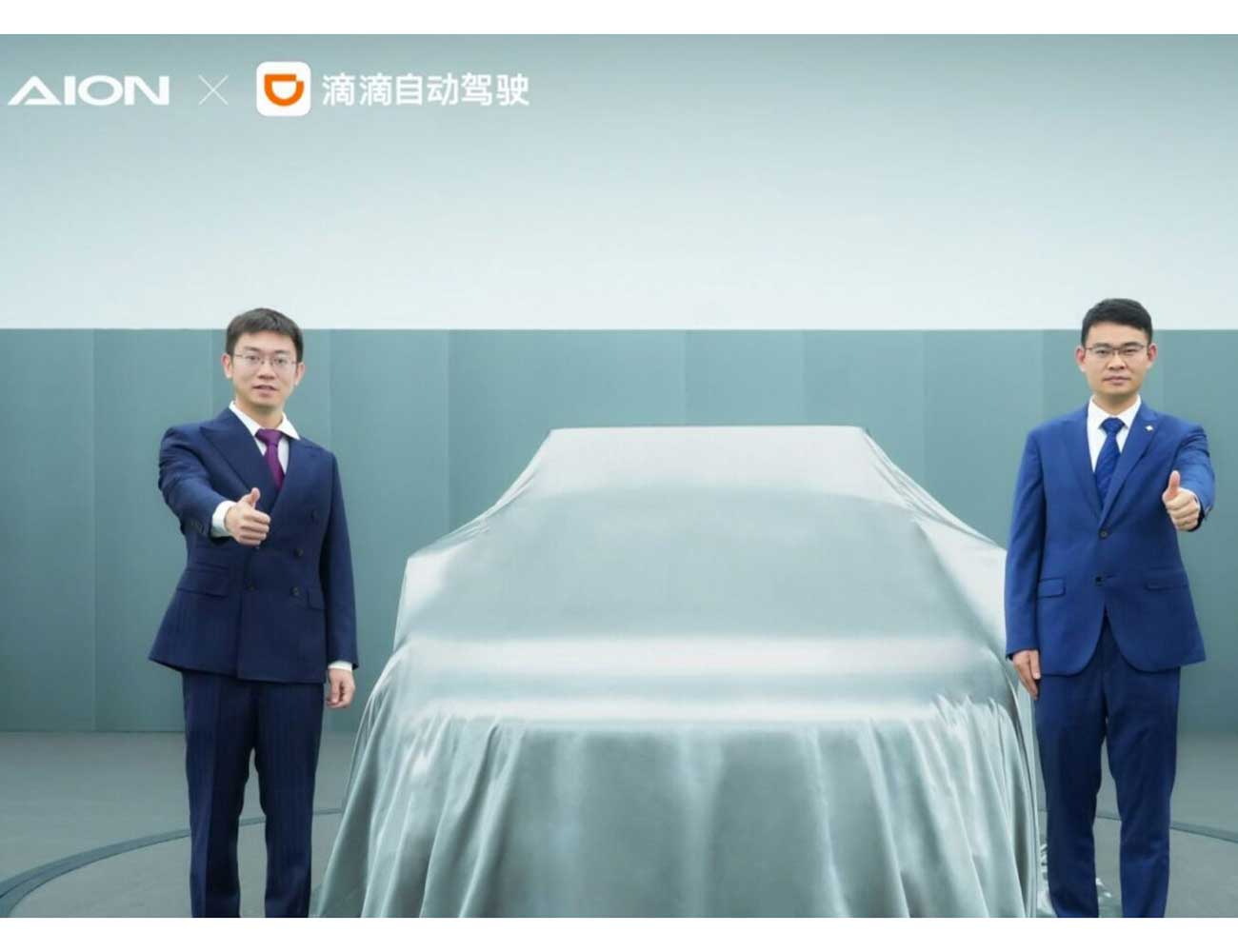
DiDi Autonomous Driving and GAC Aion jointly announced the approval of the business license for their JV, Guangzhou Andi Technology. This is the first JV in China between an L4 AD tech company and an automaker, to develop robotaxi vehicles. Mass production is slated to begin in 2025. The inaugural autonomous vehicle, positioned as a crossover SUV, is built on Aion’s AEP3.0 high-end all-electric vehicle platform and Xingling high-end E/E architecture.
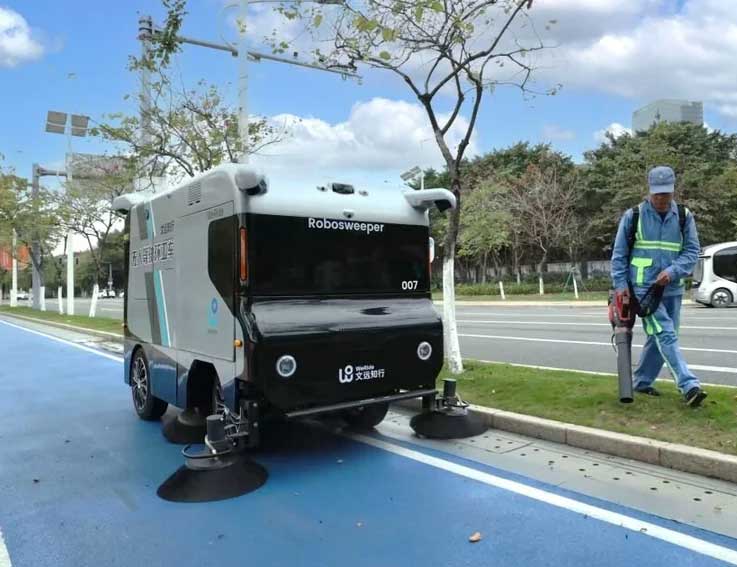
WeRide, unveiled their second smart sanitation product, the unmanned Robosweeper S1. During the launch event, WeRide signed strategic cooperation agreements with several partners including the National Changxing Economic Development Zone, Guangdong-Hong Kong-Macao Greater Bay Area Robotics Industry Alliance, Zhengzhou Ourland Environmental, Guangzhou Kyin Development, and Dongguan Binhaiwan Holding Group, realizing a total order value of nearly ten million dollars on the first day of release.
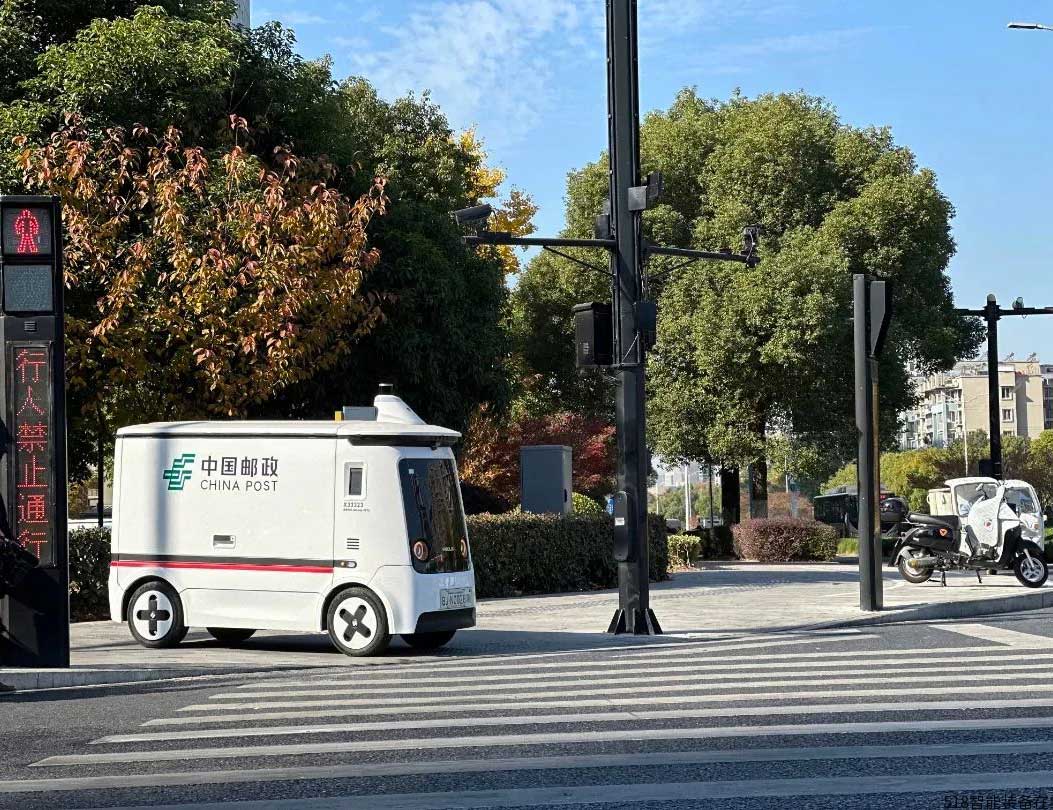
Chinese unmanned delivery vehicle developer Neolix completed a C¥600m Series C financing round. Since receiving their first public road operation license in Yizhuang, Beijing, in 2021, Neolix has obtained licenses covering roads in over 30 cities and regions nationwide. The company has also completed technology and business efficiency verifications with multiple leading logistics and express delivery companies, achieving batch deliveries in over a dozen cities. They use a multimodal BEV space 4D temporal fusion perception technology, equipped with two 360-degree lidar units.
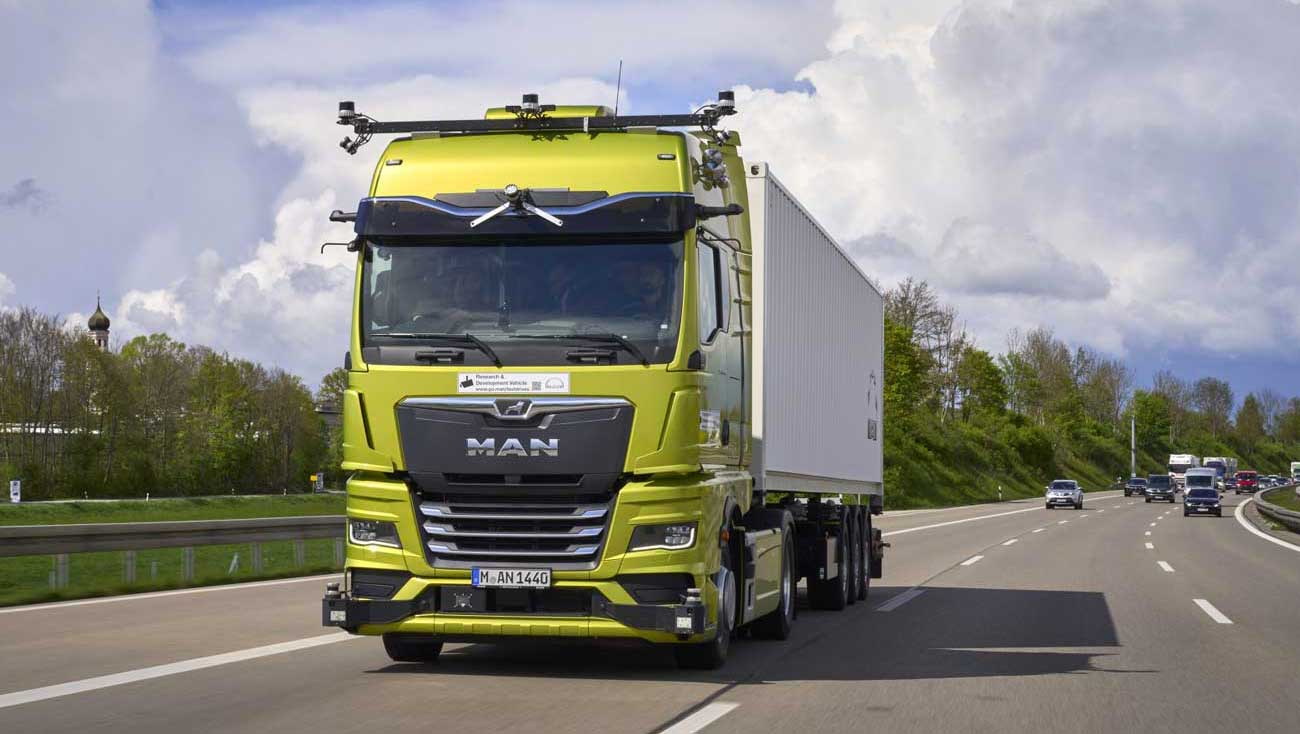
MAN has become the first commercial vehicle manufacturer to send an L4 autonomous truck onto the Autobahn in Germany. The test truck drove around 10 km on the A9 between the Allershausen and Furholzen junctions, and is one of a series of tests on motorways as the manufacturer works towards series of production of autonomous trucks towards the end of the decade.
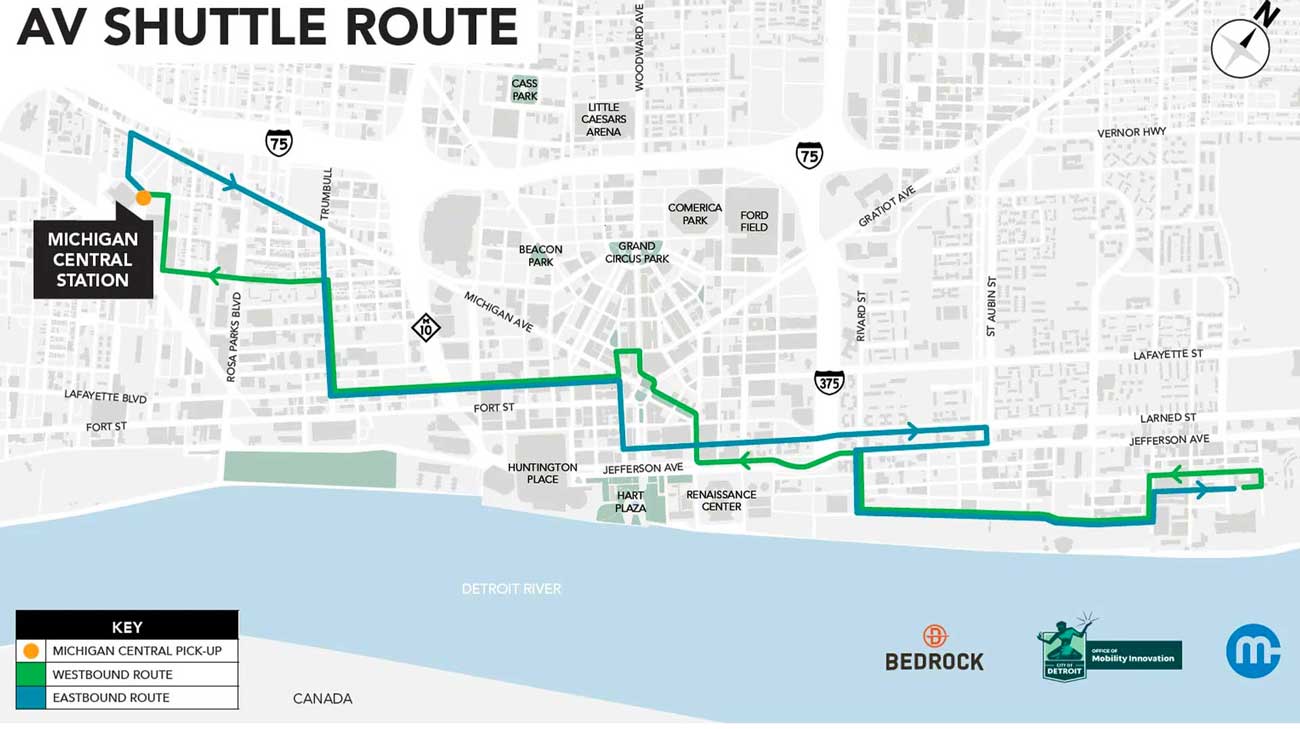
Detroit, in collaboration with Bedrock, Michigan Central, and the State Office of Future Mobility and Electrification (OFME), is set to deploy ‘Connect,’ an AV transit pilot aimed at advancing the city’s commitment to zero-emission public transport. Scheduled for deployment this summer, the Connect pilot will feature four electric Ford E-Transit vehicles that are equipped with wheelchair accessibility. Perrone Robotics has been selected as the partner for the project.
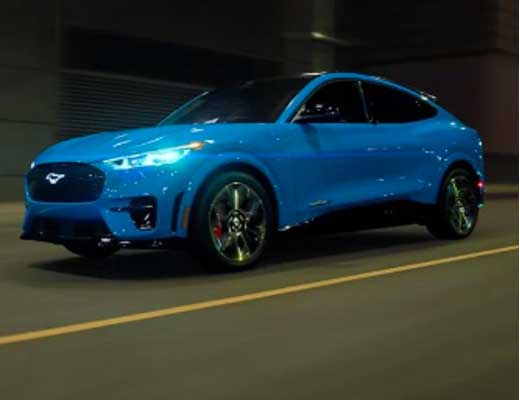
NHTSA’s Office of Defects Investigation has opened a preliminary evaluation to assess critical incidents involving the Ford Mustang Mach-E with the BlueCruise system. This inquiry follows reports of two severe collisions with stationary vehicles during nighttime on controlled-access highways, each leading to tragic fatalities.
NHTSA has announced the findings from their three-year investigation of Tesla vehicles. NHTSA found that Tesla’s driver-assist features are ineffective at keeping drivers engaged in the driving task, with fatal results.
NHTSA investigated 956 crashes, in 489 of which the agency found either there was “insufficient data to make an assessment”, the other vehicle was at fault, Autopilot was found not to be in use—though it must be remembered that Tesla has been credibly found to have programmed their L2 Autopilot and ‘Full Self-Driving’ systems to disengage just before a crash so the systems can’t be blamed—or the crash was otherwise unrelated to the probe.
NHTSA said the remaining 467 crashes fell into three classes: In 211, the Tesla “struck another vehicle or obstacle with adequate time for an attentive driver to respond to avoid or mitigate the crash”. 145 crashes involved “roadway departures in low-traction conditions such as wet roadways”, and 111 of the crashes involved “roadway departures where Autosteer was inadvertently disengaged by the driver’s inputs”.
In 59 crashes, the agency found that Tesla drivers had enough time—five or more seconds—in which to react before crashing into another object.
“Crashes with no or late evasive action attempted by the driver were found across all Tesla hardware versions and crash circumstances,” NHTSA said.


