Lidar sensors are indispensable for the realization of advanced technologies such as advanced driver assistance systems (ADAS), autonomous driving, and AR/VR. In particular, short- and mid-range lidar used in AR/VR devices and smartphones requires better distance (depth) resolution to detect the shape of a person or object more accurately, and so a single-photon detector with better timing jitter performance is required.
The Korea Institute of Science and Technology (KIST) announced that a team led by Dr. Myung-Jae Lee at the Post-Silicon Semiconductor Institute has developed a single-photon avalanche diode (SPAD), based on a 40nm back-illuminated CMOS image sensor process, which can identify objects at the millimeter level
SPADs, which are ultra-high-performance sensor devices that can detect single photons, are extremely difficult to develop. Only Sony of Japan has successfully commercialized SPAD-based lidar based on their 90-nm back-illuminated CMOS image sensor process; they supply it to Apple.
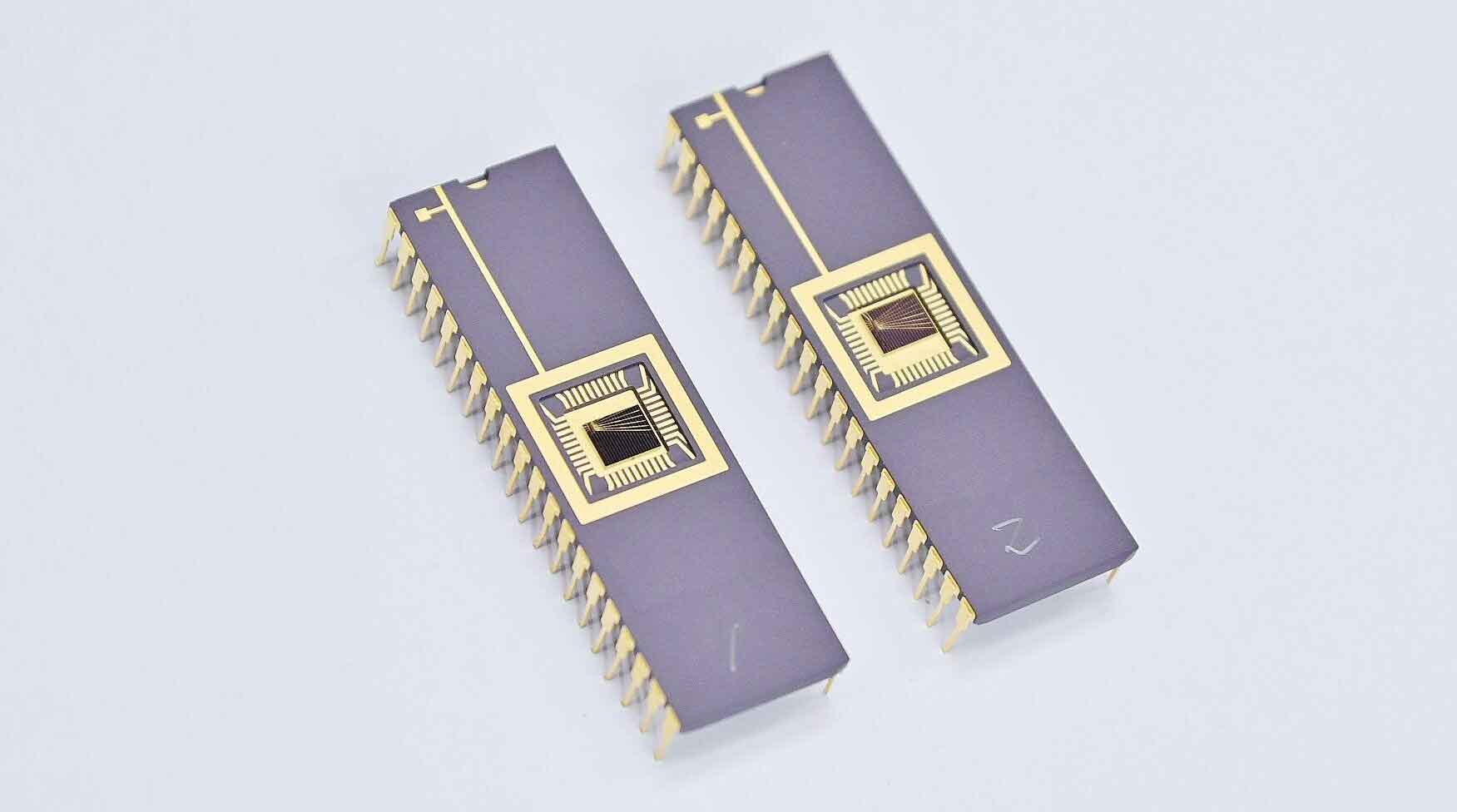
The semiconductor chip with ultra-high-performance sensor elements was developed by Dr. Myung-Jae Lee’s research team at KIST’s Advanced Semiconductor Devices and Systems Laboratory (ADS Lab).
Sony’s SPAD shows better efficiency than back-illuminated SPADs reported in the literature, but its timing-jitter performance of about 137 to 222ps is insufficient for user discrimination, gesture recognition, and accurate shape recognition of objects required in short- and mid-range lidar applications.
The single-photon sensor element developed by KIST has significantly improved the timing-jitter performance by more than two times to 56ps, and the distance resolution has also been improved to about 8mm, which has great potential for use as a short- and mid-range lidar sensor element. In particular, since the SPAD was developed based on the 40nm back-illuminated CMOS image sensor process, a semiconductor process for mass production, through joint research with SK hynix, it is expected to be immediately localized and commercialized.
“If commercialized as a core source technology for semiconductor lidar and 3D image sensors, it will greatly enhance our competitiveness in next-generation system semiconductors, which are Korea’s strategic industries,” said Myung-Jae Lee, principal investigator at KIST.
DVN comment
Currently, Sony is the only company that has successfully commercialized SPAD-based lidar, but its timing-jitter performance is considered insufficient for certain applications. KIST’s SPAD technology, with its improved performance, has the potential for utilization in next-generation lidar and 3D image sensors.


