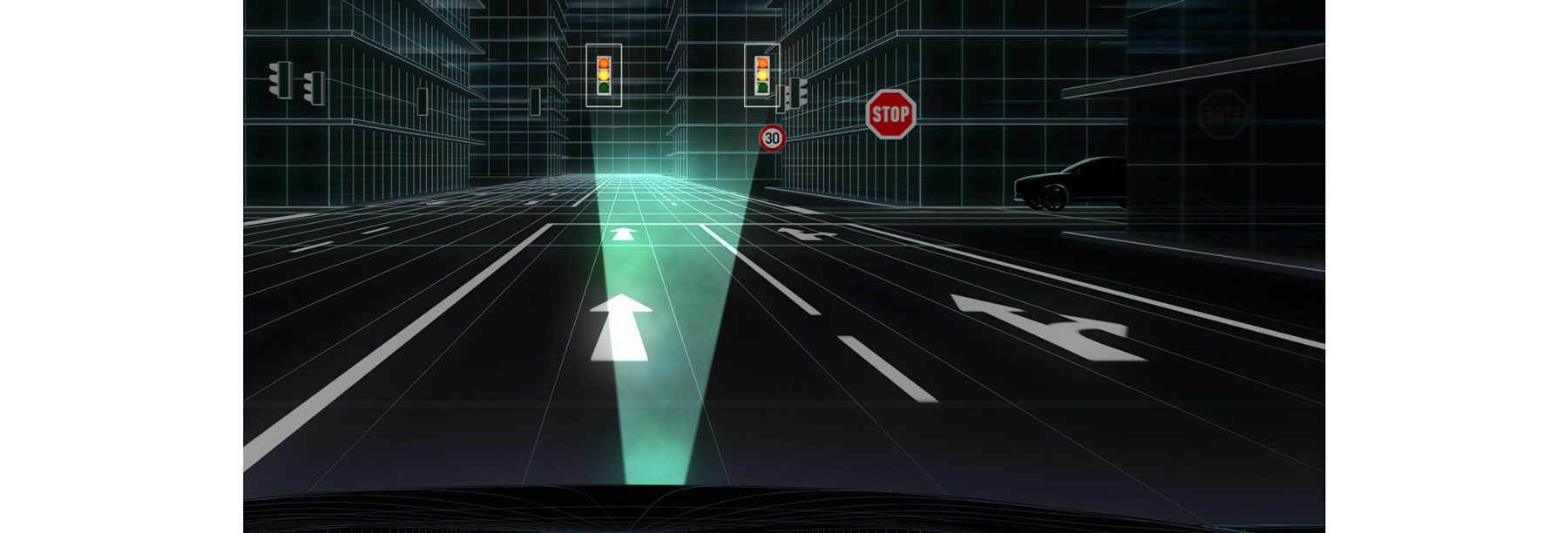
Hella and TÜV Rheinland have agreed to coöperate in autonomous driving. The aim of the collaboration is the market-compliant development of a new ‘Traffic Rule Engine’: a new software module which will ‘know’ the applicable local traffic regulations and thus enable autonomous vehicles to behave in accord with local rules and expectations.
The collaboration will focus on L3 and higher vehicles, wherein drivers can turn their attention away from road traffic in certain situations and the responsibility for driving the vehicle is transferred to the manufacturer.
Kay Talmi is Managing Director of Hella Aglaia, a Berlin-based Hella subsidiary specialising in software development. She says, “When highly automated vehicles are to manage driving situations autonomously and without human intervention, they must know the applicable rules of the road at all times and be able to control them without restriction. With the Traffic Rule Engine, we are creating a powerful technological basis for this and, in cooperation with TÜV Rheinland, are completely covering the process chain from start to finish”.
The software module being developed will monitor the planned actions of equipped vehicle and compare them with current traffic regulations based on sensor and map data. If a deviation is detected, feedback is sent to the driving system in real time. To ensure the latest traffic regulations of a country are used at all times, the software module can be updated continuously and affordably via over-the-air updates.
Hella Aglaia are focussing on the development of the ‘Traffic Rule Engine’; the underlying traffic rules database, and the algorithm used to execute the corresponding rules. TÜV Rheinland’s tasks include taking into account the approval-relevant requirements for the ‘Traffic Rule Engine’ software and the type approval of automated and autonomous vehicles.


