A number of Chinese EV companies have followed Tesla into robotaxis and robotics and last month we saw a couple of new announcements from Li Auto and Xpeng that are merging software teams to focus on a single physical AI foundation model. This will also be a big opportunity for lidar and other sensor vendors going forward as auto makers initially deploy robots in their own factories but eventually scale to address the general humanoid robotics market.
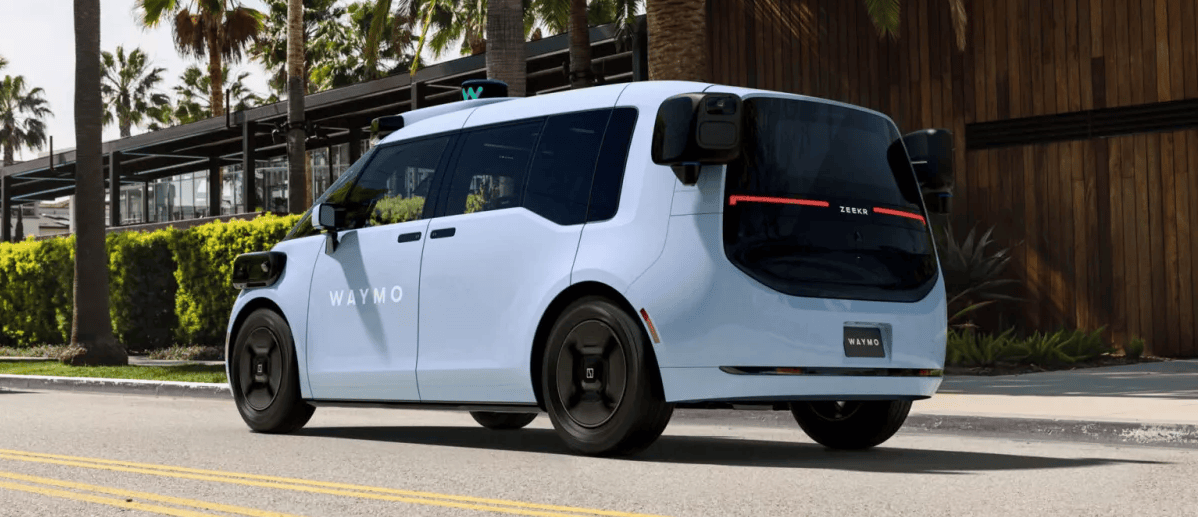
Rideshare services are reporting between 70-80 million rides per week in the US market versus around 400K per week for autonomous services, so robotaxi penetration is still less than 1%, leaving lots of room for growth in the next few years. Both Waymo and Wayve did billion dollar funding rounds in February to support scaling of services.
The shortage in the memory market caused by the rapid growth in the AI server market is starting to impact prices and long-term availability of older process node memory used in many current ADAS systems. This could lead to a faster adoption of newer ADAS SoCs over the next few years. We continue to see new announcements from Chinese chip vendors that are starting to replace the traditional players in ADAS designs.
The agenda for our next Detroit workshop on March 25th 2026 is final. You can register to attend here.

Martin Booth
DVN USA Representative
mbooth@drivingvisionnews.com


