I remember an IME exhibit at the K plastics show in Düsseldorf, a door panel that lit up under your finger, with no PCB behind it. At that moment, I realised that interior plastics were becoming an interface. And I knew that beyond K, the shift would take place above the ground.
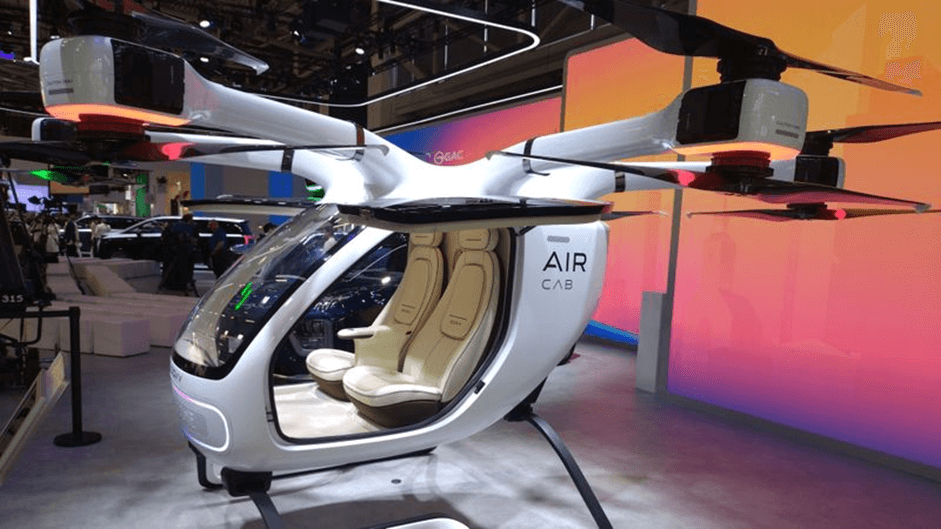
At TechBlick in Berlin, we saw printed electronics move from the demonstrator to the workshop: transparent heating films for demisting, 3D-shaped sensors, and shy-tech touch surfaces. These are building blocks just as interesting for dashboards as they are for eVTOL canopies – that’s an electric vertical take-off and landing aircraft, using electric power to hover, take off, and land vertically without need of a runway.
My strong intuition as an interior architect: the next step is not more sensors, it is safety and comfort in the air, boosted with our automotive know-how. Standards for eVTOLs emphasize crashworthiness through the design of seats, seat belts, energy management, and other techniques well known in the automotive world. We know how to do it: multi-G absorbent seats, seat belt airbags… We need to transpose this to an altitude of 300-500 meters. And in-mold electronics can lighten and streamline the cabin HMI.
So: airbag, parachute, or both? Some eVTOLs like the Volocopter 2X have tested ballistic parachutes; others are resisting them on altitude and weight concerns. It is up to us, the interior and safety community, to propose a mixed architecture.
If you share this thinking, or perhaps this nostalgia for the cockpits of yesteryear and the desire to design one that flies, let’s go.
Take care,



