Tesla and Waymo are not the only robotaxi competitors in the world, but their different methods for achieving autonomy spark ongoing debate in the self-driving industry.
Tesla deleted all radars from their cars awhile back, over Tesla engineer objections, and now they use a camera-only approach, with AI they say is trained on video data to control its vehicles. CEO Elon Musk has said lidar is “a loser’s technology”, “freaking stupid”, and a “lame” “crutch” for “fools”; he says a camera-only strategy allows for faster, more affordable scaling (Tesla analysts have determined that Musk’s radar deletion and scorn for lidar are purely to make the cars cheaper to build, but perhaps that’s just another way of saying the same thing).
Waymo, like most of the rest of the autonomous-driving world, uses a combination of lidar, radar, and cameras for a more complete and redundant perception of the environment. So which is the right way? Here’s a look at some pertinent positions:
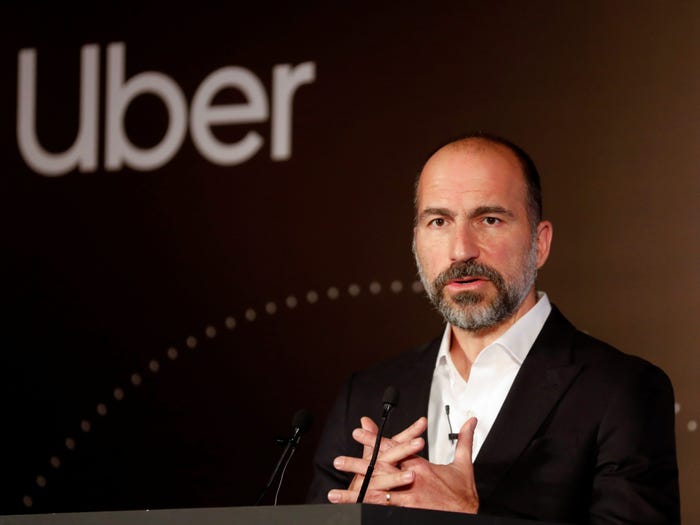
Uber CEO Dara Khosrowshahi agrees with Waymo.
Robotaxis need “superhuman levels of safety” and that it would be very difficult in the near-term to build that with a camera-only product.
“At some point, will it be possible? Quite possibly, yes. But if you can have instrumentation that includes cameras and lidar — and the cost of solid-state lidar now is 400, 500 bucks — why not include lidar as well in order to achieve superhuman safety?”
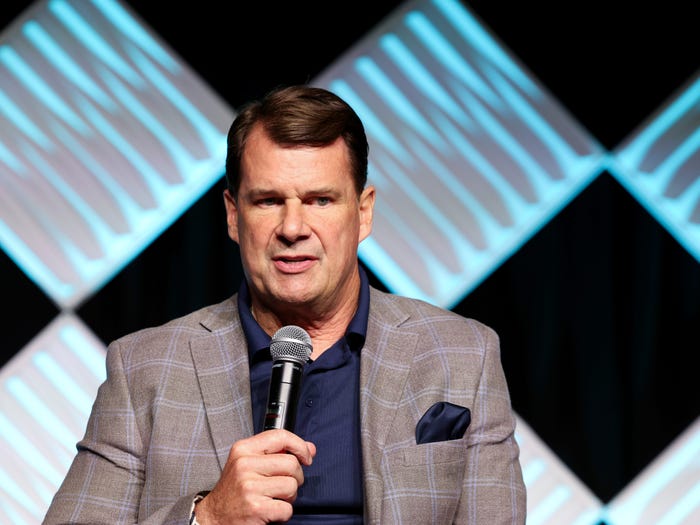
Ford CEO Jim Farley agrees with Waymo.
During an interview with biographer Walter Isaacson at the Aspen Ideas Festival in late June, Farley was asked whether Tesla’s vision-only approach or Waymo’s use of lidars makes more sense. Farley said, “To us, Waymo. People trust Ford. And when you have a brand like Ford, when there’s a new technology, you must be careful. And we want to have a trusted brand. This is another wave of safety technology. So, we really believe thata lidar is mission-critical.”
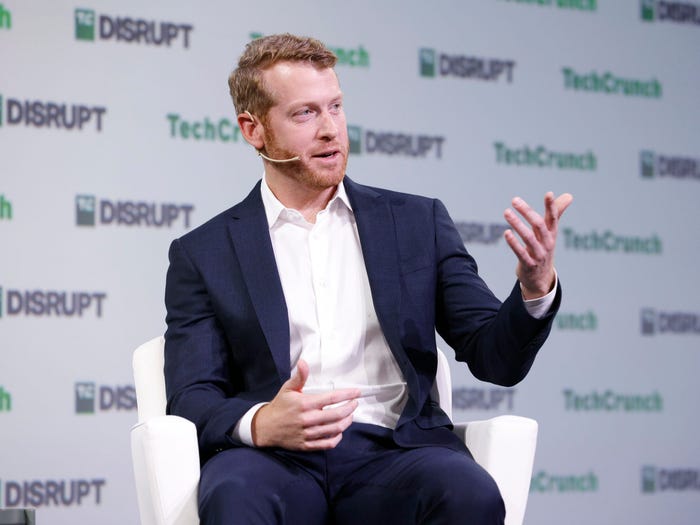
Former Cruise CEO Kyle Vogt votes Tesla.
Kyle Vogt, who left Cruise in 2023, told Stripe cofounder John Collison in a June interview that Tesla made the correct long-term technical choice for self-driving, though it has imposed many restrictions on autonomous technology development. Vogt said engineers were required to use top sensors like lidars and radars, ensure they looked good on cars, and keep costs at one-tenth of competitors—all challenging constraints. He thinks although Waymo’s system works on public roads, the company should become more like Tesla.
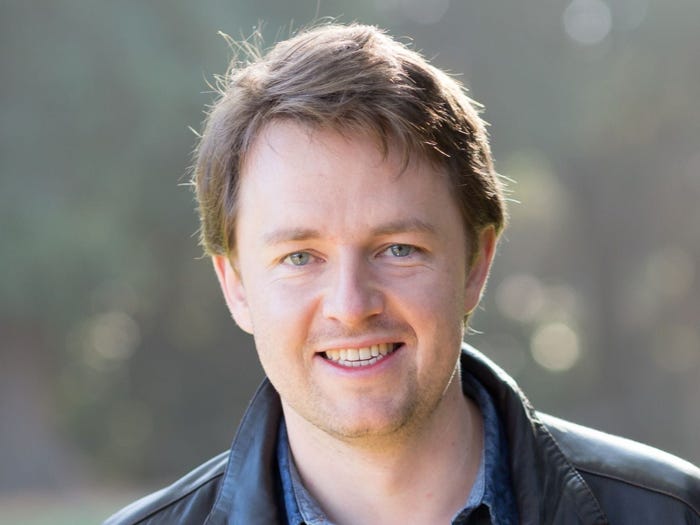
Rivian Autonomy VP James Philbin votes Waymo.
James Philbin, former director at Zoox and Waymo, stated that cameras alone lack the perception abilities of camera + lidar or camera + radar systems, especially in poor weather. He said, “The goal is not to match humans, but to achieve superhuman capability,” and that cameras alone are currently insufficient: “I don’t know why you would constrain yourself to cameras”.
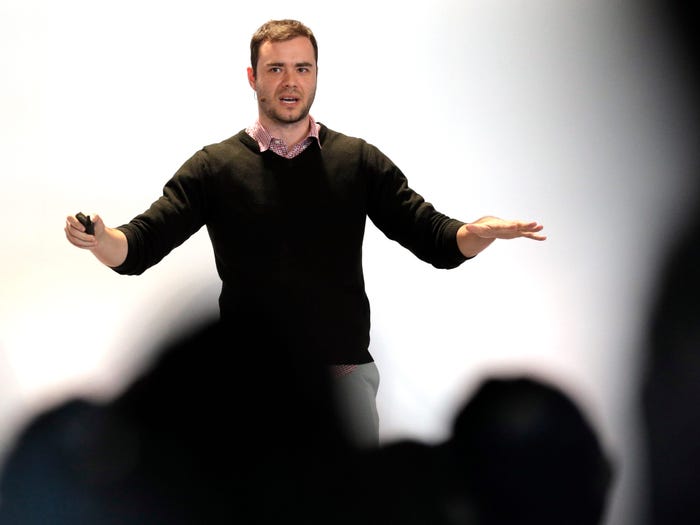
Former Tesla AI Director Andrej Karpathy votes Tesla.
Andrej Karpathy, served as head of Tesla’s Autopilot team from 2017 to 2022. In a September interview on the No Priors podcast, Karpathy stated he was “very bullish on Tesla,” and expressed his view that Tesla is currently ahead of Waymo. He said Tesla faces software challenges while Waymo deals with hardware issues, and said “I think when we look in 10 years and who’s actually at scale and where most of the revenue is coming from, I still think (Tesla’s) ahead in that sense”.
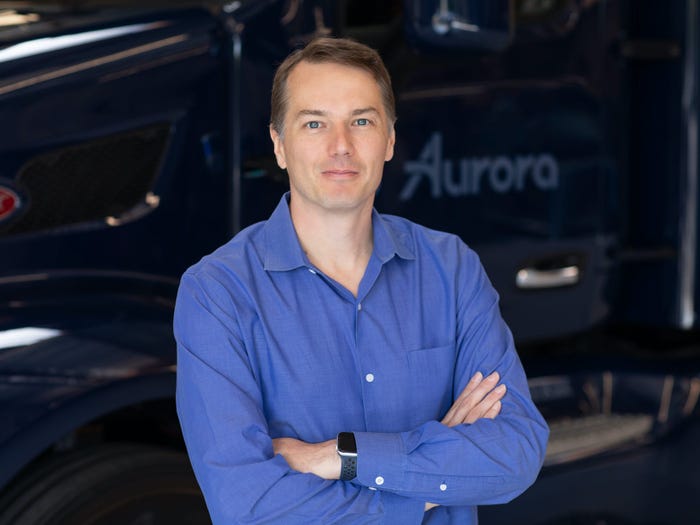
Aurora CEO Chris Urmson votes Waymo.
Urmson led Google’s self-driving car project until 2016, the year the initiative was renamed Waymo. In 2017, he co-founded Aurora, an autonomous trucking company. In a blog post last year, Urmson said systems which rely exclusively on artificial intelligence interpreting video input can mimic unwanted driving behaviours present in their training data. Consequently, engineers may need to manually intervene by coding certain behaviours, such as requiring vehicles to stop at stop signs instead of adopting common human habits like rolling through them. Urmson said without a proactive framework for managing these issues, the resulting codebase could become increasingly difficult to maintain, and fully end-to-end self-driving systems may not be achievable in practice.
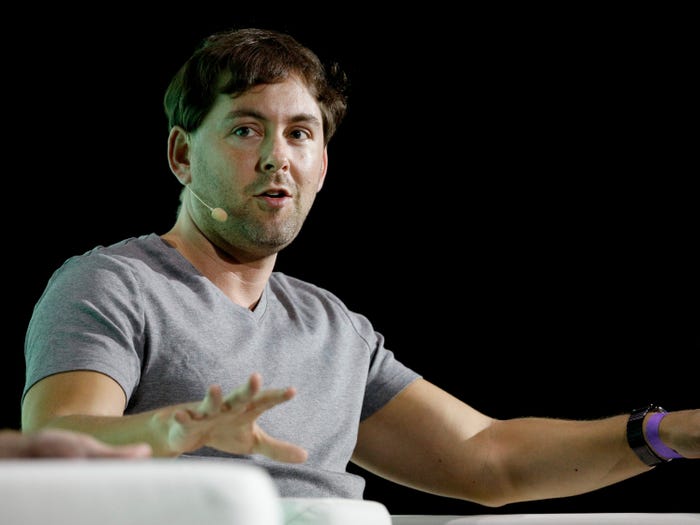
Zoox cofounder Jesse Levinson votes Waymo.
Jesse Levinson stated last year that self-driving technology relying solely on cameras is not yet ready for practical deployment: “Our view is that additional hardware beyond what Tesla currently includes in their vehicles is necessary to develop a robotaxi that meets or exceeds human safety standards”.
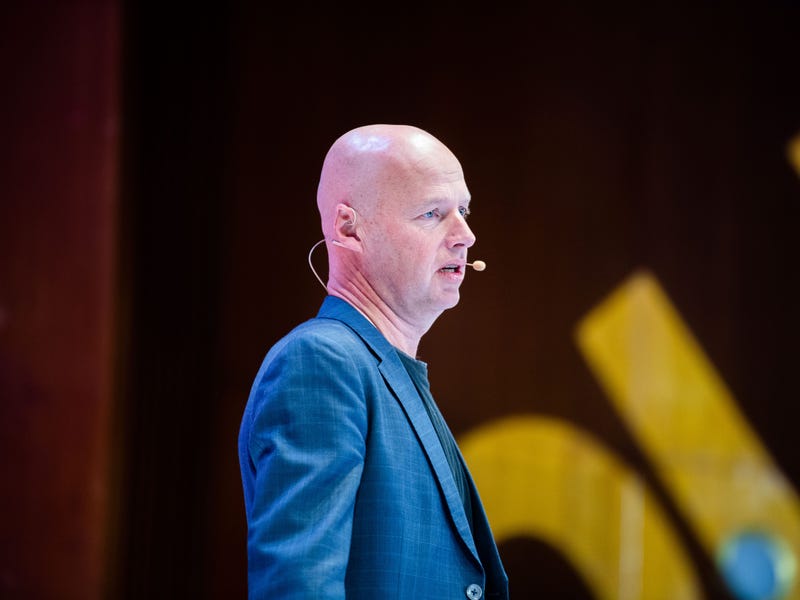
Google X Lab cofounder Sebastian Thrun votes Waymo.
Sebastian Thrun, cofounder of Google X Lab, led its first project—the self-driving car. He emphasized safety in early Waymo development, relying on lidar and detailed maps, but declined to discuss Tesla: “I can’t comment on Tesla since I don’t know their technology. Our focus at Waymo was always on safety. Removing radars and lasers would make the car less safe.” He noted that lasers and radars give environmental awareness distinct from cameras, detecting objects even if unknown to the system, and that sensors continue to improve.
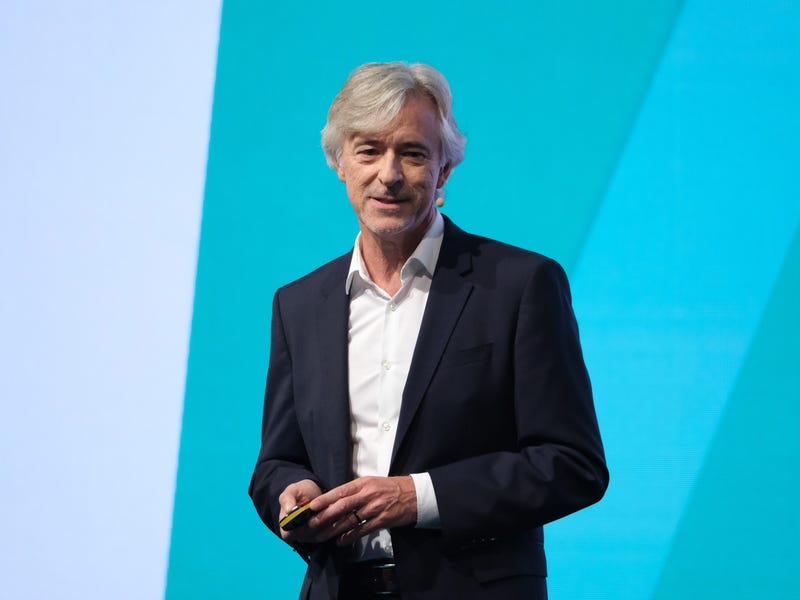
Former Waymo CEO John Krafcik votes Waymo.
John Krafcik takes a dim view of Tesla’s robotaxi efforts, criticizing the Cybercab prototype for its design and sensor placement. He argues that true robotaxis, like those from Waymo, use taller vehicles with high-mounted sensors for better accessibility and safety. Krafcik also remarked that Tesla’s Austin pilot isn’t a real robotaxi, since an employee is present in the car.


