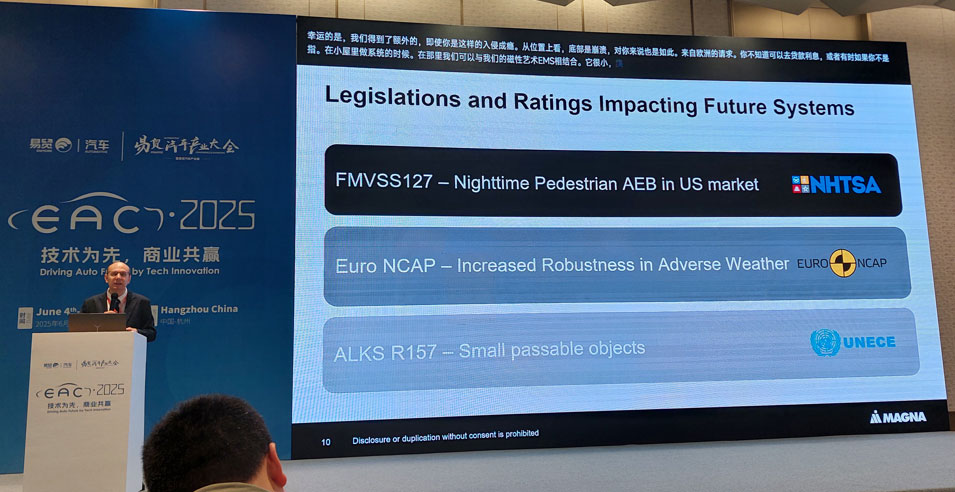
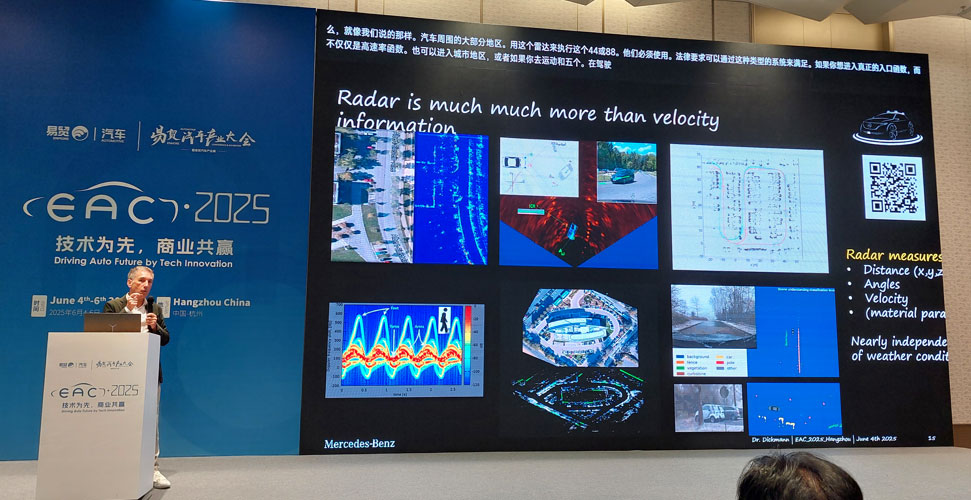
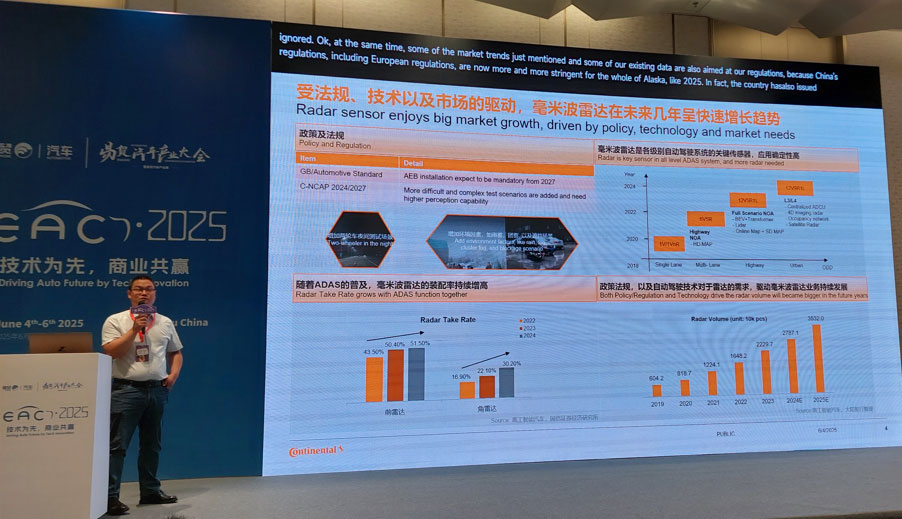
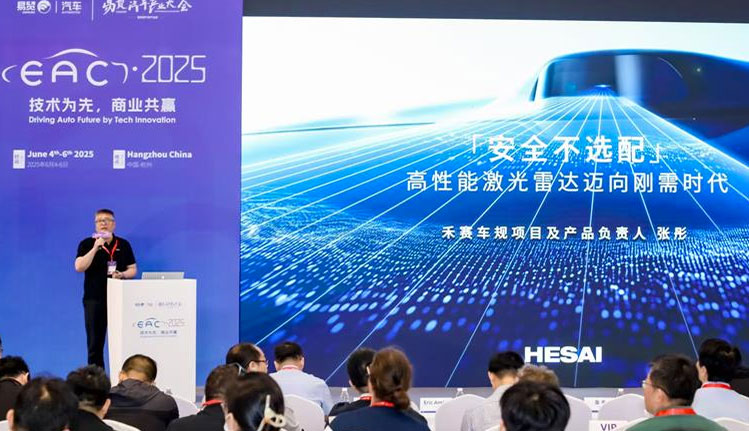
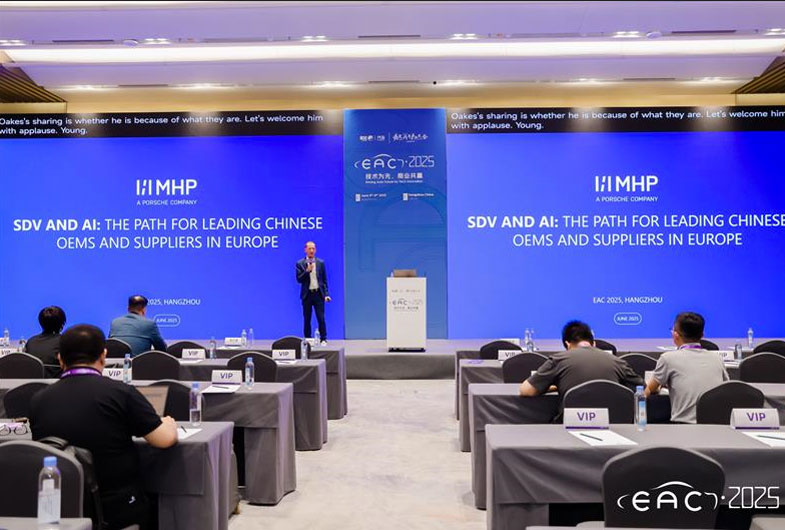
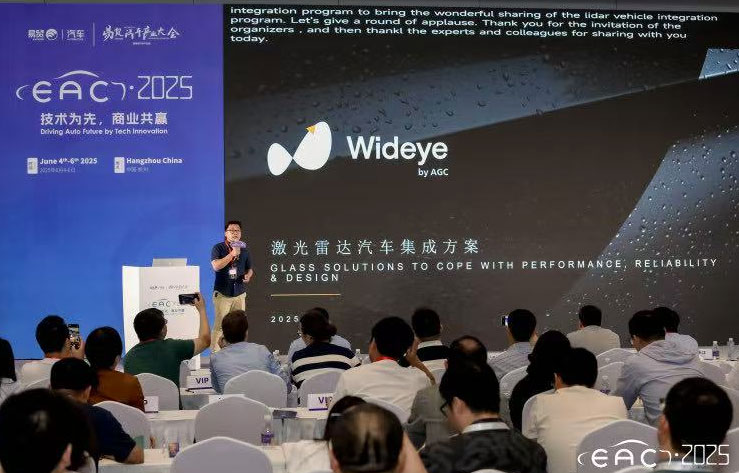
DVN attended the EAC Expo 2025 in Hangzhou on 4 to 6 June, as co-host of the lidar technology section. This was a fine opportunity to meet members of the local ecosystem and try out cars equipped with NOA features (navigation on autopilot) in Shanghai, as well as Pony robotaxis in Beijing.
Robotaxis in Beijing
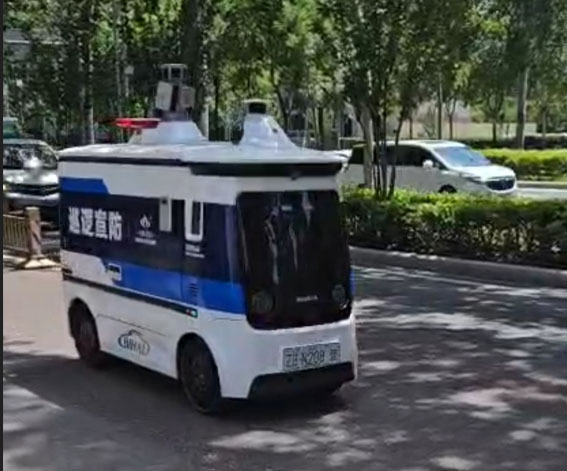
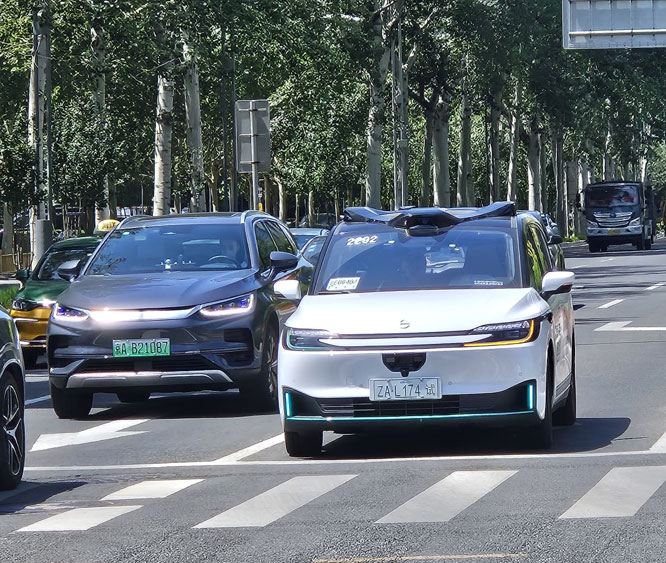
Robotaxis are in use in Beijing, and you can see many of them in traffic – 1 or 2 per minute, mostly operated by Baidu. There are also smaller robots dedicated to food delivery, driving in lanes specifically designated for their use.
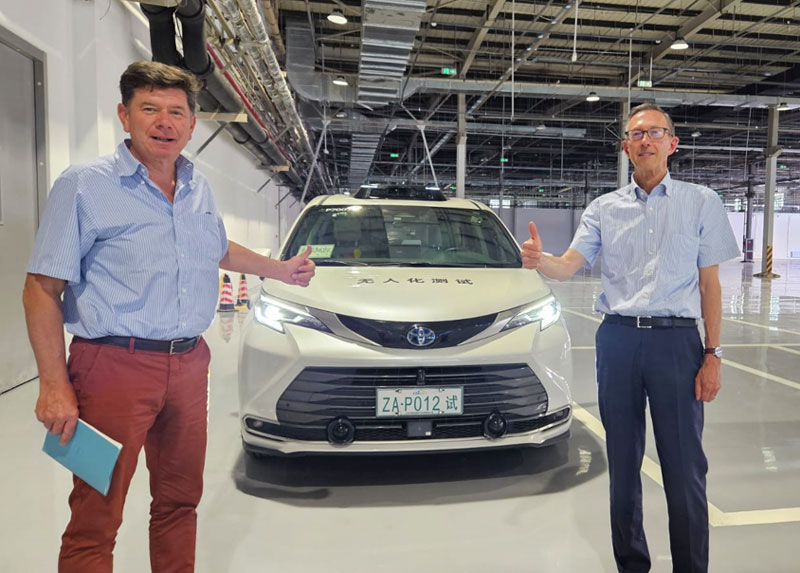
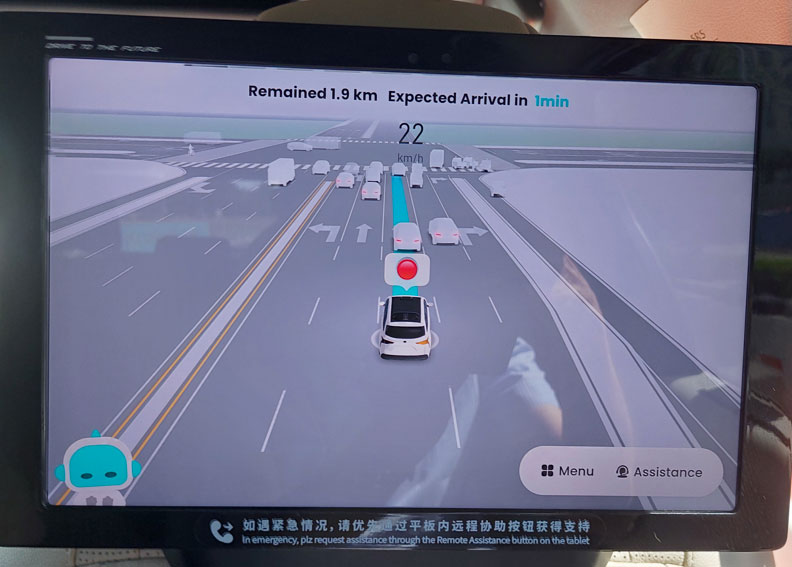
We had a tour in a robotaxi deployed by Pony.ai, a Baidu challenger who has 270 robotaxis in use in cities. The travel seemed smooth and safe, showing a good level of maturity of the technology and HMI. Pony says they will operate 1,000 robotaxis by the end of 2025.
City NOA in the Xpeng G6 in Shanghai
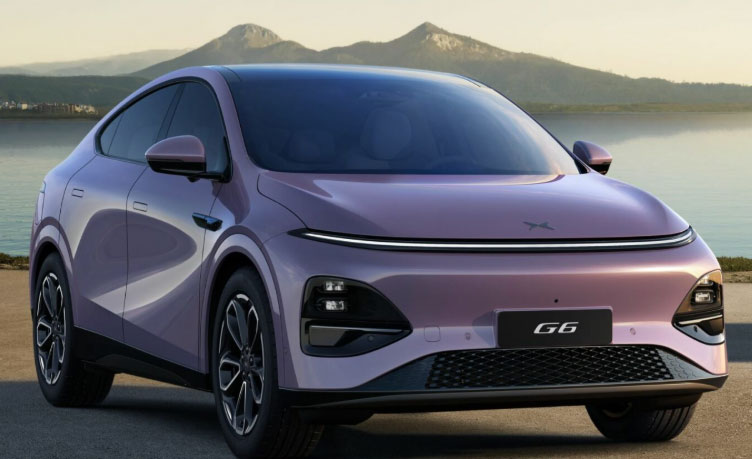
Xpeng uses their own software for NOA, proposing this feature with camera-only systems on lower-priced cars, and adding lidars on premium cars like the G6. The G6 has a lidar below each headlamp. We had a 20-minute test in Shanghai with NOA engaged and a safety driver familiar with the route. The car seemed to ably manage complex situations. At a red traffic light, it negotiated the flow of pedestrians and motorcycles with a stop/go process like a normal driver.
The safety driver had to intervene once to avoid an accident: a short truck was leaving a parking place, started to cross the 2 × 2- lane road from the left to drive in our lane, and neither NOA nor AEB responded in this critical scenario, despite there being almost no traffic on the road. This points up that the human driver must not place too much trust in the system or mistake it for actual, real self-driving. It simply cannot cope with all critical situations, even those most obvious to a human driver.
We asked the safety driver to remove his hands off the steering wheel; we wanted to check if an alert would be triggered, as hands-off systems are not allowed in China. No warning was given, even at an intersection full of crossing pedestrians. To be clear here: there is no active feature to monitor the human driver or remind them they must keep control of the car.
The integration of the lidars is poor on this car, too, and good performance cannot be had with them mounted so close to the road surface.
Overall we we were impressed by the apparent potential of the NOA feature, but quite alarmed by the careless way Xpeng seems to be treating the safety part of it.
EAC Lidar Tech and Intelligent Driving Conference and Expo

The EAC Expo is one of the big events in China for automotive electronics. There were three halls, one of which was dedicated to automated driving and sensing (lidar, radar, cameras…).
This year the emphasis was on ‘intelligent driving’ lectures, and the number of lectures for sensing technologies was a bit reduced, maybe due to a limited amount of breaking news and the lack of money in the automotive industry due to a fierce competition. Here are our takeaways:
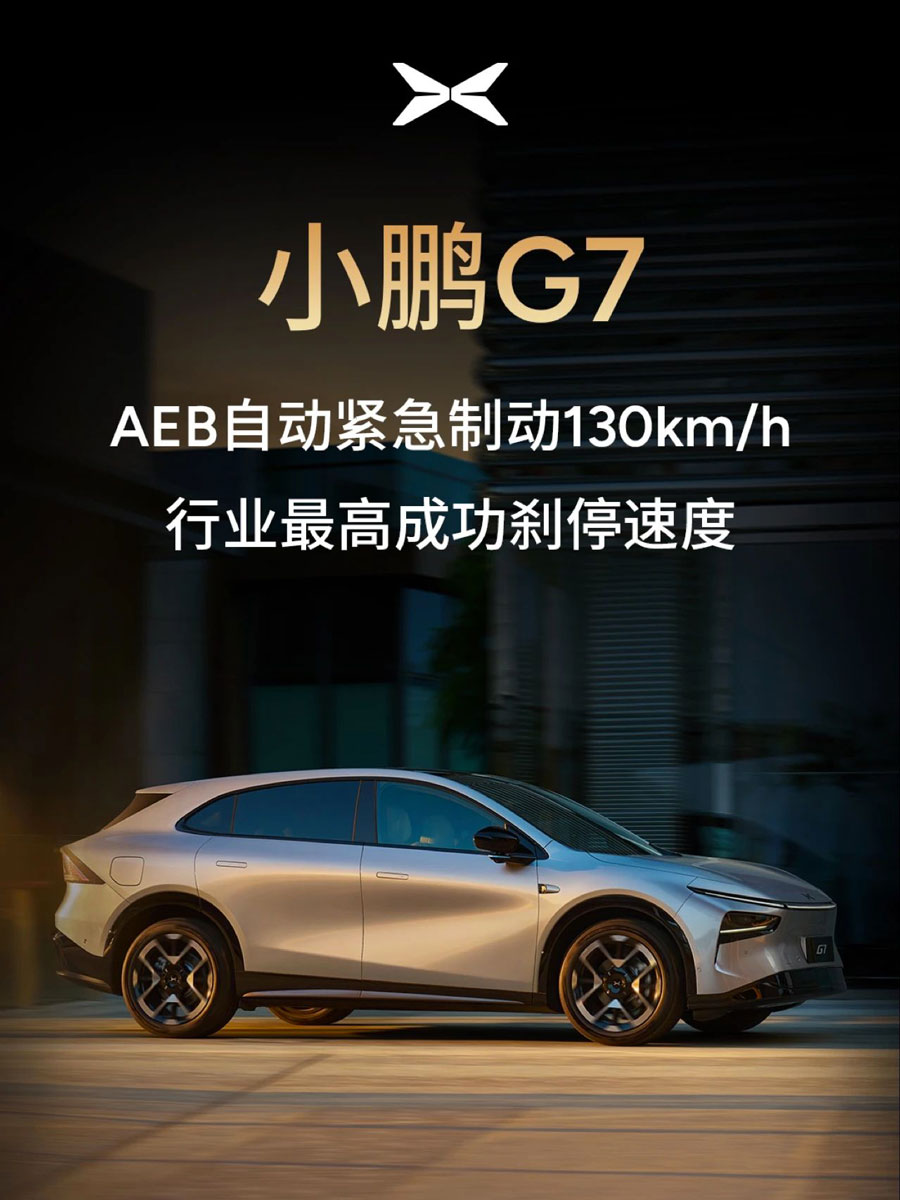
- This past April, a Xiaomi SU7 operating in NOA mode crashed into a construction zone, burst into flame, and trapped the three people inside, all of whom perished. After that crash, AEB has become a priority for NOA systems. Xpeng is now advertising the improved AEB performance of their new G7 (up to 130 km/h).
- There are four main competitors in lidar now: Hesai, Huawei, Robosense, Seyond.
- BYD has started developing their own Lidar which will impact the volumes of Hesai and Robosense.
- The market price in 2025 for a standard NOA lidar is $200; the next target is $150.
- Side lidars are more popular and are now used by several brands.
- Imaging radars are a key sensor to improve the reliability of ‘pure vision’ systems, assuming the radar has at least 32 × 32 channels, and assuming the software is trained using a full data set (Mercedes).
- The radar market in China is increasing rapidly (Continental).
- IR cameras are a possible alternative to lidars for providing good data even in bad weather conditions (Magna).
International speakers