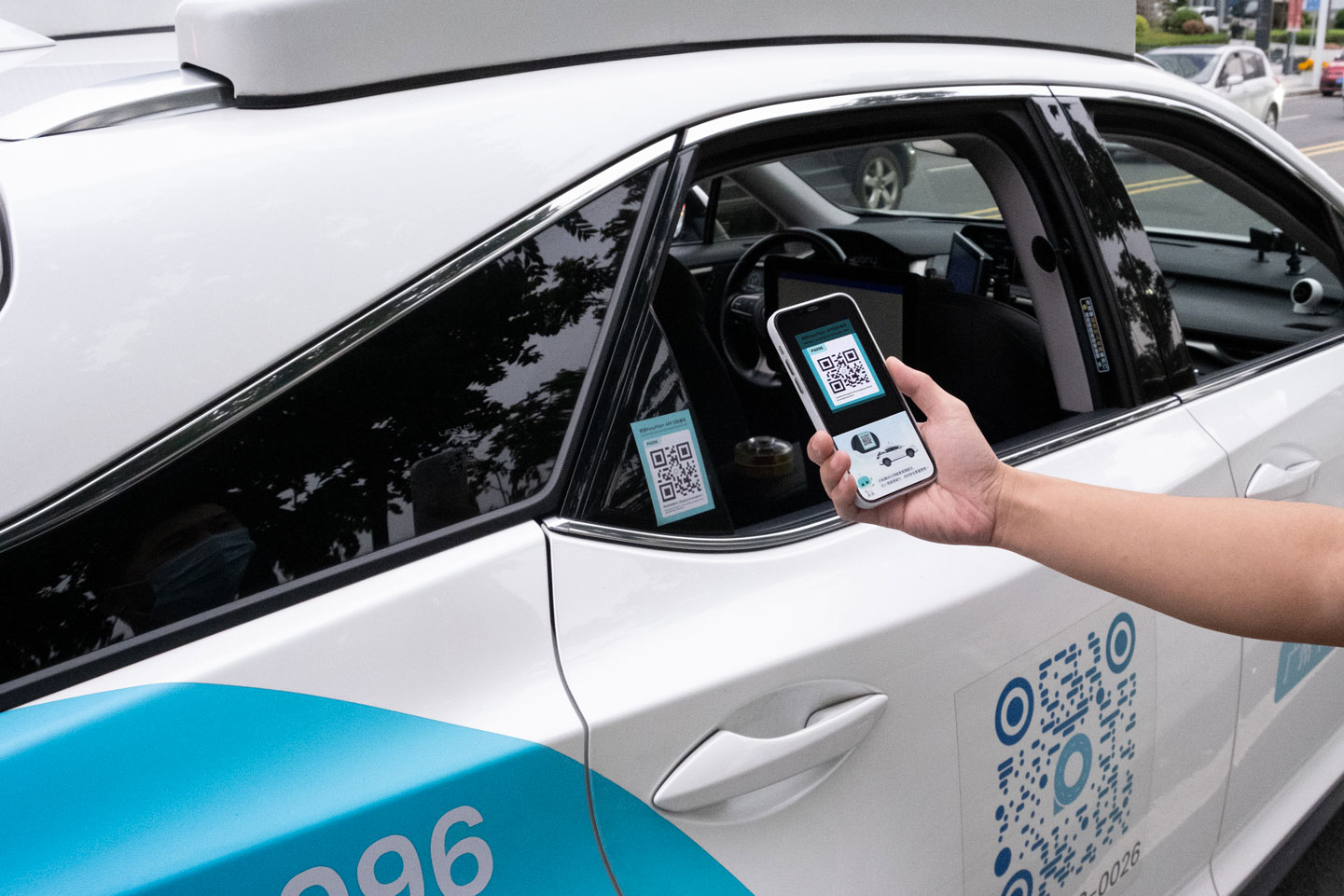
Pony.ai was founded by James Peng and Tiacheng Lou, who were software developers for Baidu, in Silicon Valley. The company has licenses for robotaxi services in Beijing and Guangzhou and recently announced partnerships with expand internationally in cities such as Singapore, Seoul and Luxembourg and with Uber in the Middle East.
Pony has also held California DMW permits for testing in Irvine and the Bay Area (on specified streets) since 2021, although the permit was suspended after a car hit a traffic sign after a right turn and the company went back to testing in California with safety drivers in 2023.
Pony signed an agreement with GAC-Toyota to build robotaxis in China in 2023, after a $400M investment in the company from Toyota in 2020. The company went public in 2024 with a listing on the NASDAQ and raised $260M. The first robotaxi is based on Toyota’s bZ4X EV and uses 4xHesai AT128 lidar plus 14 cameras and 4 radars. Pony will also use other models from BAIC and GAC. The AI software runs on an Nvidia Orin compute platform with 4 DRIVE Orin chips (1016 TOPS).
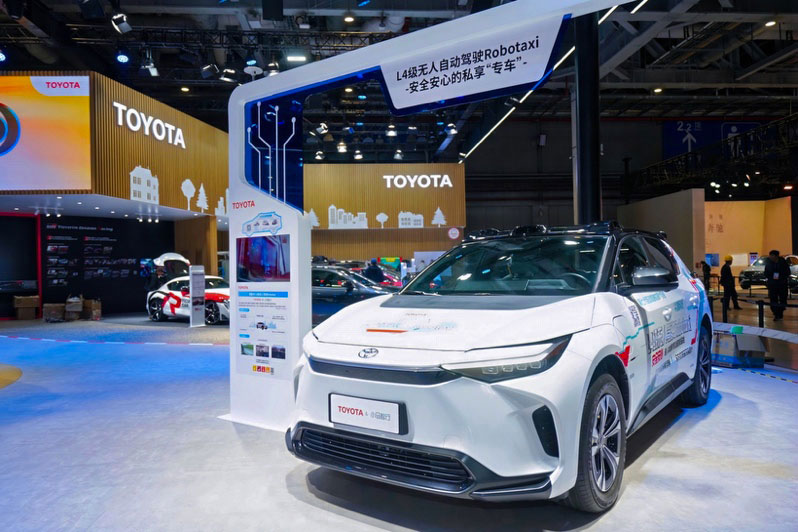
Optimized inference models allow L4 driving on up to 2-5x less compute power than competitive models. The estimated lifespan of the Toyota EV is 10 years/600K km (372K miles). Pony also has a proprietary sensor cleaning system.
Pony has an AI foundation model that is used to create a simulation environment capable of generating 10B km of test data weekly. The vehicles are monitored by remote assistants. and commercial insurance costs roughly 50% of what traditional taxi insurance would be. At the end of Q1, over 7 million km of real-world driverless operations was achieved.
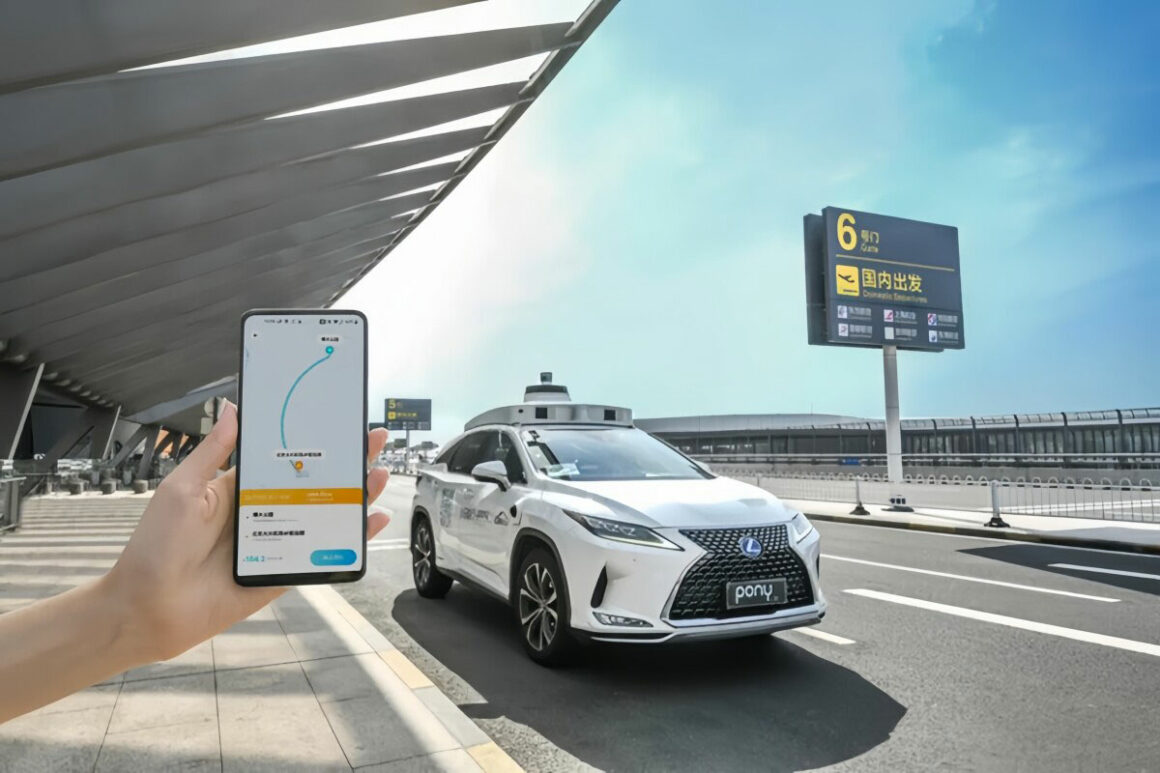
Pony’s Daxing airport service has a fixed pricing mechanism (similar to existing airport taxi services) and users can book the service up to 1 day in advance with over 1000 drop-off/pick-up points.
On May 20th , 2025, Pony reported its Q1 earnings and expressed confidence to scale the fleet to 1000 vehicles by the end of the year, which is projected to be the break-even point for robotaxi services. It’s 7th generation autonomous driving system, reduces costs by 70%. Revenue for paid robotaxi service was up more than 3X to $1.7M and paid rides were up 800%. Robotruck revenues were $7.8M and licensing/software $4.5M. Gross profit was $2.3M on total revenue of $14M and overall loss from operations was $56M. The company remains well capitalized with $738M liquidity.
Pony grew its user base 20% though its own app, but also signed an agreement with Tencent to give it access to their mobility services, as well as Uber for international expansion.
The company continues to expand its international partnerships and most recently announced a deal with Dubai’s RTA to deploy a robotaxi fleet. Pilot operations will start this year, with commercial rollout in 2026.
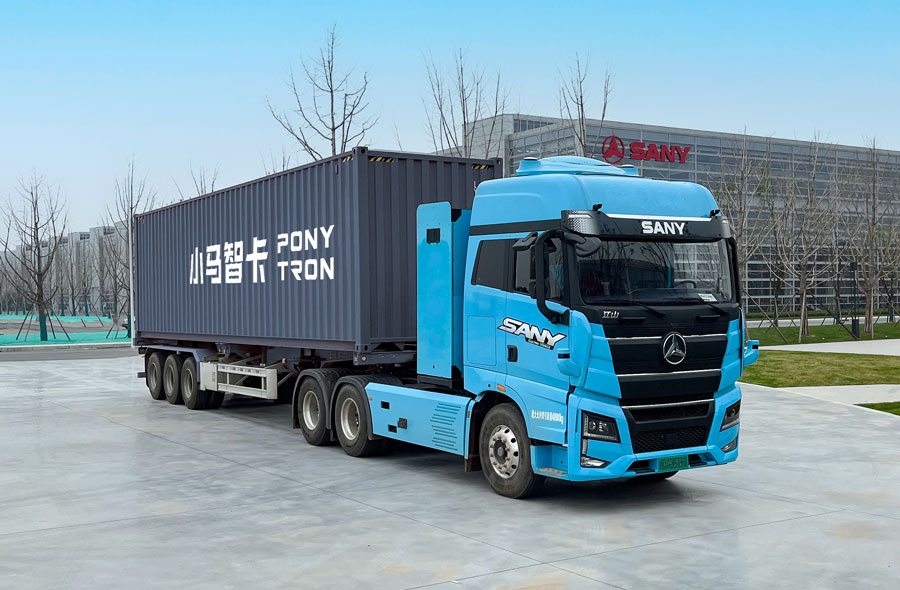
Pony also has a solution for autonomous trucking and partnered with Sany in China rolling out models in 2022 equipped with 6 Lidars, 3 radars and 6 cameras. Around 200 trucks are currently in operation.