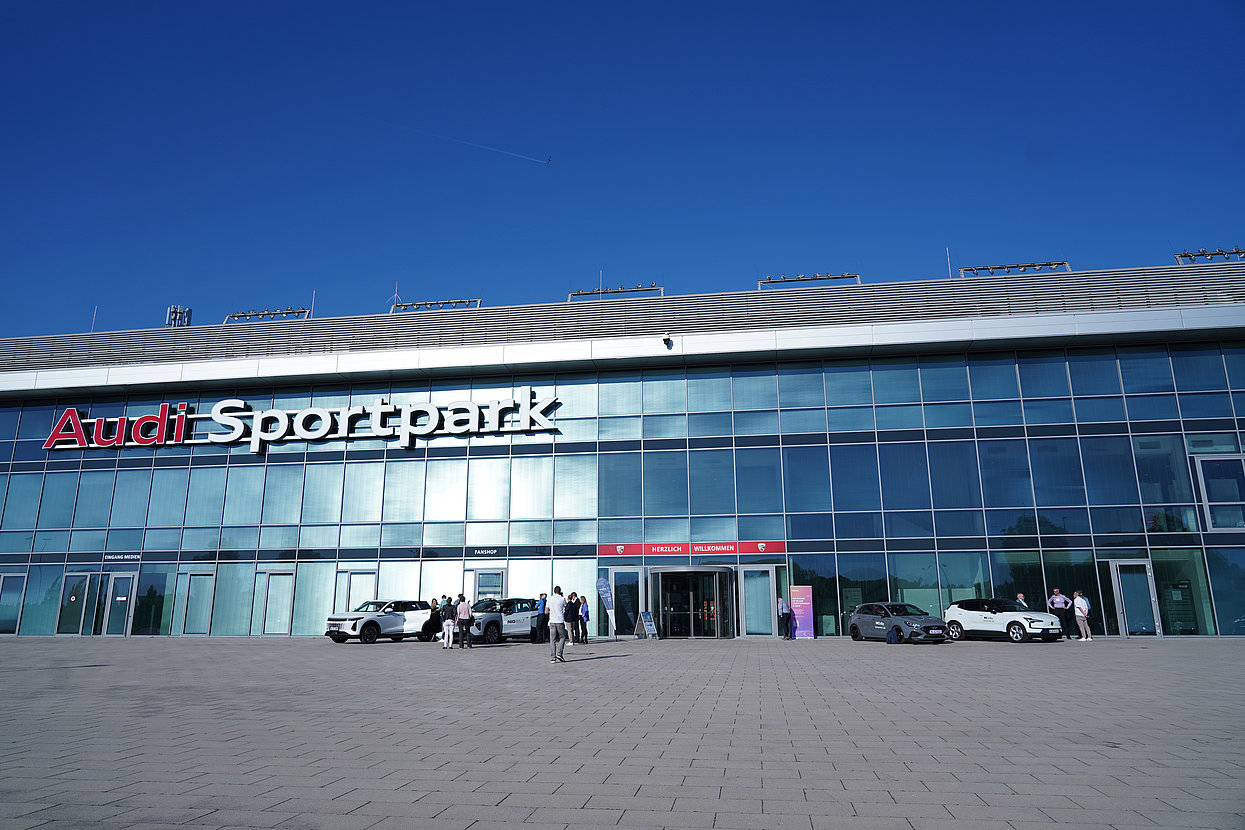
The 20th Interieur im Automobil × InSuM conference took place on 13 and 14 May 1at the Audi Sportpark Ingolstadt, in cooperation of Bayern Innovativ with InSuM, the Interior Hub for Sustainable Mobility.
It was a productive couple of days for the entire value chain of the automotive industry — automakers, subject matter experts, suppliers, startups, and researchers — to talk, listen, and network about future auto interiors, and DVN Interior’s Carsten Befelein was there.
Especially in these challenging times, sharp focus on future-oriented developments is crucial. The vehicle interior is increasingly becoming a differentiating factor; it represents comfort, design and digitalization and shapes the driving experience of the future. Innovations in materials, technologies and sustainable concepts can provide new impetus and open market potential. But which trends, technologies and markets do we need to understand today to be successful tomorrow? What requirements of different markets need to be considered to ensure long-term competitiveness?
This year’s key topics at the conference were:
- Strategy and future trends in automotive interiors
- Global markets: growth & potential
- Sustainability as a driver for innovation
- User experience as a differentiating factor
- Digital experiences in car interiors
Speakers from business and science shared their knowledge in presentations from the likes of Audi, Volkswagen, BMW, Webasto, Mahindra, Chery, Feno, UPM, Dolby, and Harman Automotive. Like last year, more than 200 industry experts participated.
Day 1
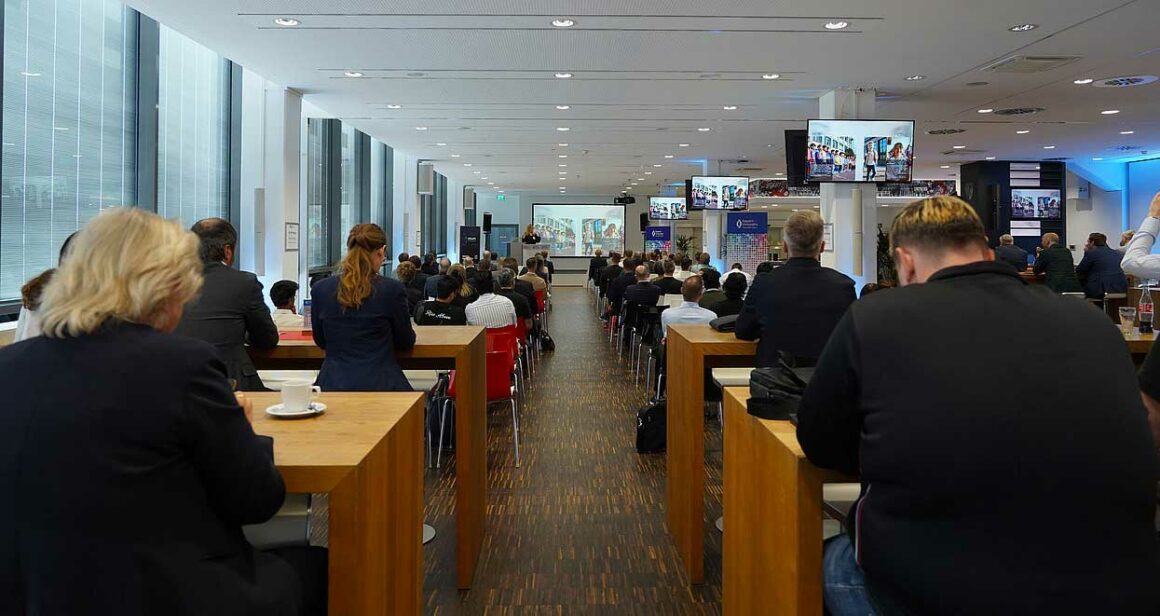
Lars Ellermann (Interior Pre-Development, Audi): Development of An Interior for L4 Vehicles
Diving into the future of interior design for automated driving. Discovering the development process from analyzing customer requirements to redesigning human-vehicle interaction. Focus areas included customer studies, derived design principles, and a preview of new and innovative interior concepts. The talk included the latest trends and technologies that enhance comfort and safety.
Thomas Gerstl (Sustainable Interior Concept Development, BMW): Renewable Materials for the Car Interior

Sustainability is particularly important for future generations of vehicles. Renewable materials such as wood and cork can make a significant contribution to reducing the CO2 footprint. These are new to the automotive industry, and are being investigated as part of research projects about possible applications in the interior.
The presentation began with an overview of the BMW Group’s sustainability goals and measures as well as the basic principles of design for circularity. A cockpit and seat were used to show how new materials (wood, cork) can be used, and what findings are already available from research projects.
Dr. Eiko Gütlich (Innovation Working Group Lead, Mobis Technical Centre Europe):
Driving Innovation: How Effective Innovation Management Fuels Creative Solutions and Competitive Advantage
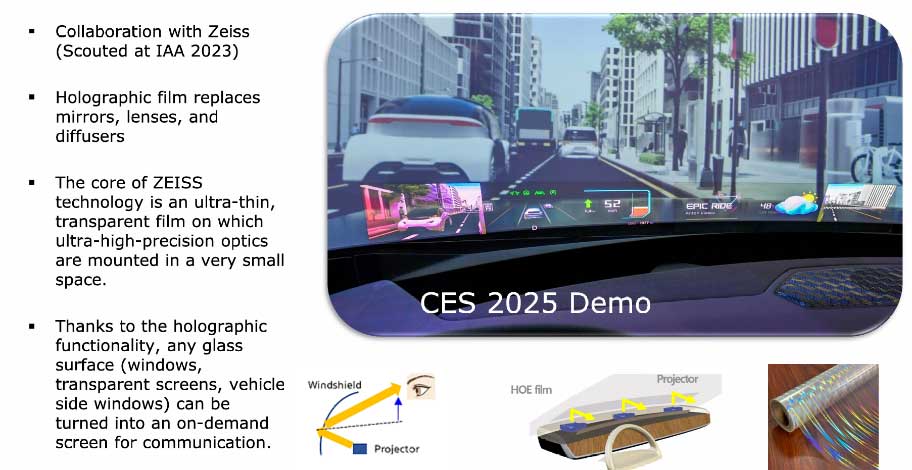
This was a lecture to discover real-world examples of successful innovation management activities — for example, Mobis’ holographic windshield display (see DVN-I coverage) — to learn the critical decision point for stopping projects, and to understand the importance of ‘moonshot compost’ in fostering groundbreaking ideas.
Philipp Grunden (InSuM): Special Insight: Federal project InSuM (Interior Hub for Sustainable Mobility)
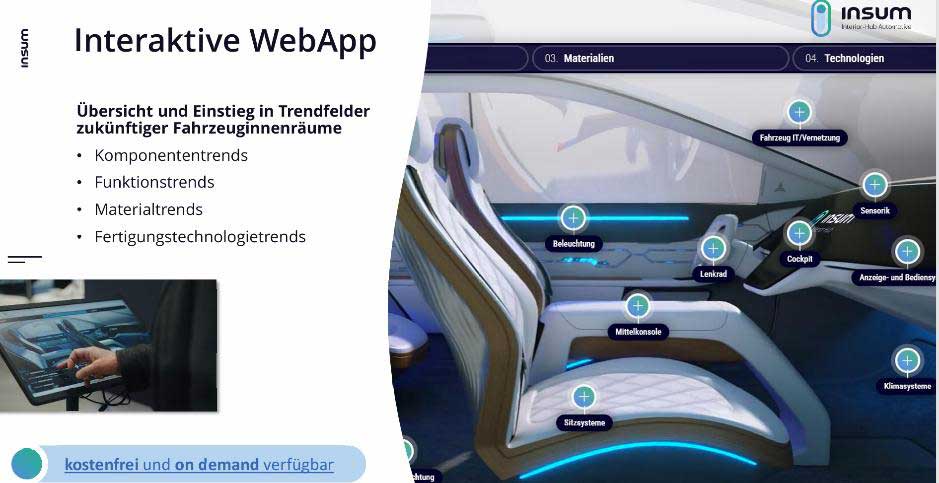
Targets of the InSuM project include analysis of trends and markets, knowledge transfer, skills networking, and industrial commercialization of ideas and products.
Parallel Interactive Workshop Sessions on important future topics of interior design
For the first time, the conference offered parallel workshop sessions on interior trends and the most important future topics in interiors, such as:
- Functionalization of surfaces
- Bio-based plastics & recycled materials
- Interior in the highly automated vehicle
- User experience as a differentiating factor
- Recycling textile components
The discussions in the individual workshops were very intensive, and all participants were able to contribute their knowledge and arguments on these topics very well within two hours. Here’s a summary of the five workshops:
Future Interior Trends – Functionalization of Surfaces (CATI Institut, TH Chemnitz)
Smart Interior opens new perspectives in the vehicle interior. Voice and gesture control, lighting and sound, personalization and user experience…how can suppliers recognize and use these trends? In this workshop, experts and participants used the ‘fishbowl method’ to discuss how suppliers can use the innovation and growth area of vehicle interiors to position themselves for the future. What trends are there, what is important, and who are the key players and partners?
Bio-Based Plastics & Use of Recyclates (AMZ Sachsen)
How can the sustainable use of bio-based plastics and recyclates in vehicle interiors be achieved? Current challenges and potentials range from material procurement to regulatory hurdles. Using real components, attendees discussed concrete application possibilities, technical requirements, and next steps for pilot projects and collaborations.
Interior in the Highly Automated Vehicle (Automotive Thüringen)
Fully automated driving (L4 and up) opens new possibilities for vehicle interiors. What components, functions and materials will really be needed in the future? In this interactive workshop, people gained exciting insights into future vehicle concepts and, together with other participants, developed specific requirements and innovation potential for the automotive and supplier industry. Targeted networking generated new project ideas and cooperation approaches for participants to take back to their companies.
User Experience as a Differentiating Factor (Bayern Innovativ, Nio)
We learnt about the most important methods and tools of user-centricity, and how to apply them directly. Nio provided exclusive insights into its user-defined vehicle strategy and showed how UX plays a key role in the mobility of the future. Topics included how Nio’s vehicle operating system, smart cabin, and AI-driven features enhance the driving experience, and how Nio gathers and integrates user feedback within its user centric development approach. It was a dive into the tech behind Nio’s smart EV ecosystem to explore the innovations that make it go.
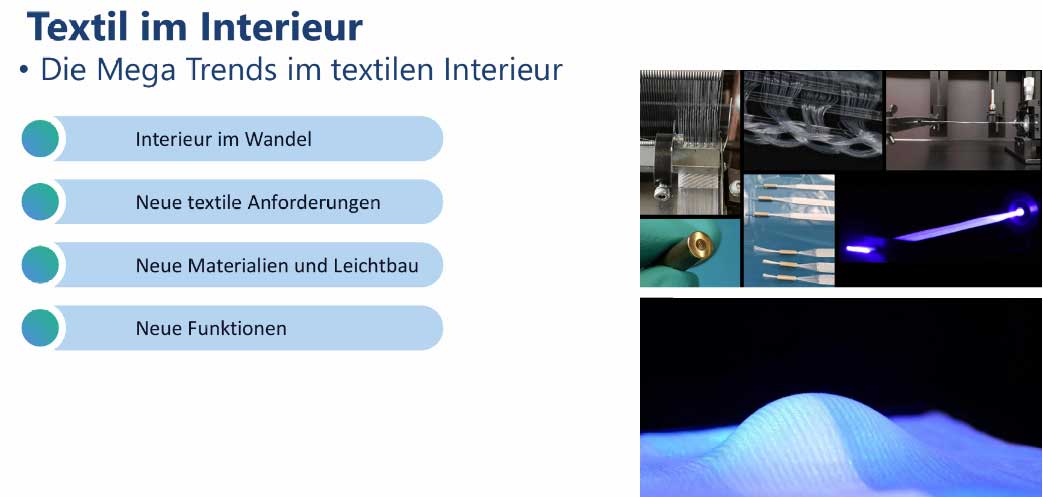
What innovative approaches are already being used today to develop recyclable seat covers, and how can these solutions change the automotive industry in the long term? In the interactive World Café that followed, the participants had the opportunity to discuss the opportunities and challenges of material recycling with experts, and develop creative ideas for an environmentally friendly automotive future.
Day 2

Sascha Klapper (Research & Analysis Manager, S&P Global Mobility): Interior Strategy: Geopolitical Developments, Market Analysis & Forecast
This presentation provided a concise yet insightful global economic outlook, highlighting major trends and potential challenges ahead. Shifting the focus to the automotive industry in 2030, presenting b overview in numbers: what growth, shifts, and market dynamics can we expect? Finally, diving deeper into the automotive interior industry, exploring the key trends driving innovation, the biggest challenges facing manufacturers, and the opportunities that lie ahead. From sustainability and smart materials to the role of digitalization.
Ajay Saran Sharma (Senior Vice President of Design, Mahindra & Mahindra): Designing Automobiles for a New Paradigm of Customer Lifestyles & Global Priorities
How is the power of design influencing decisions, including in India? How have automotive design studios and processes like Mahindra’s evolved to keep pace with these fast-changing realities and deliver quickly? How does design impact business and profit?
Carolin Nuyten (Industrial Designer, Head of CMF, Senior Manager, Chery Europe): Focus on China: innovation Drivers and New Requirements
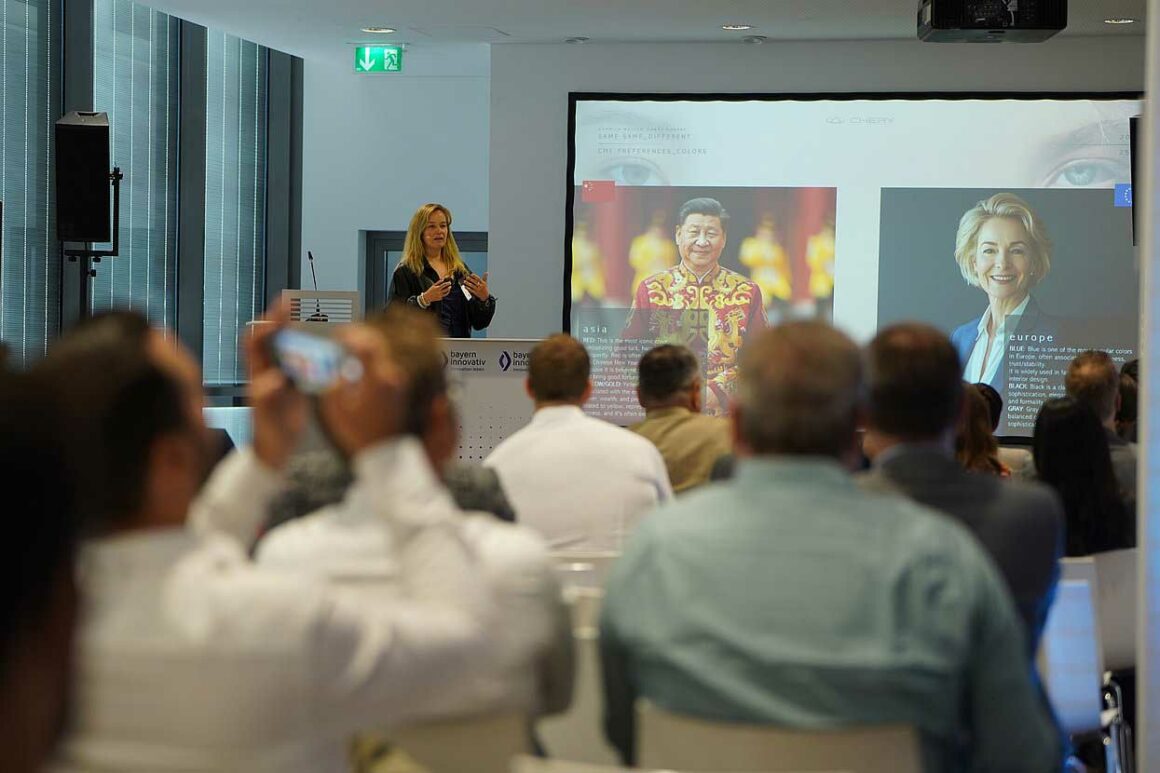
Different cultural backgrounds, habits and preferences of Chinese versus Western culture lead to different treatments and different wants and needs for the interior design, color, and material of a vehicle. This presentation looked at how to understand where the differences and similarities lie and what both sides can learn from each other.
Stephanie Waser (Head of CMF Design, Nio): Circular Economy Strategy: The Future of Sustainable Interiors
How does sustainability become a driver of creative excellence? Stephanie Waser provided exciting insights into the CMF design philosophy of Nio and firefly, and showed how future-oriented design goes far beyond the choice of materials. Experience how responsible design does not restrict, but creates new creative freedom.
Holger John (Sales Manager, UPM): Unlocking the Future: Renewable Chemicals Becoming Reality at Industrial Scale
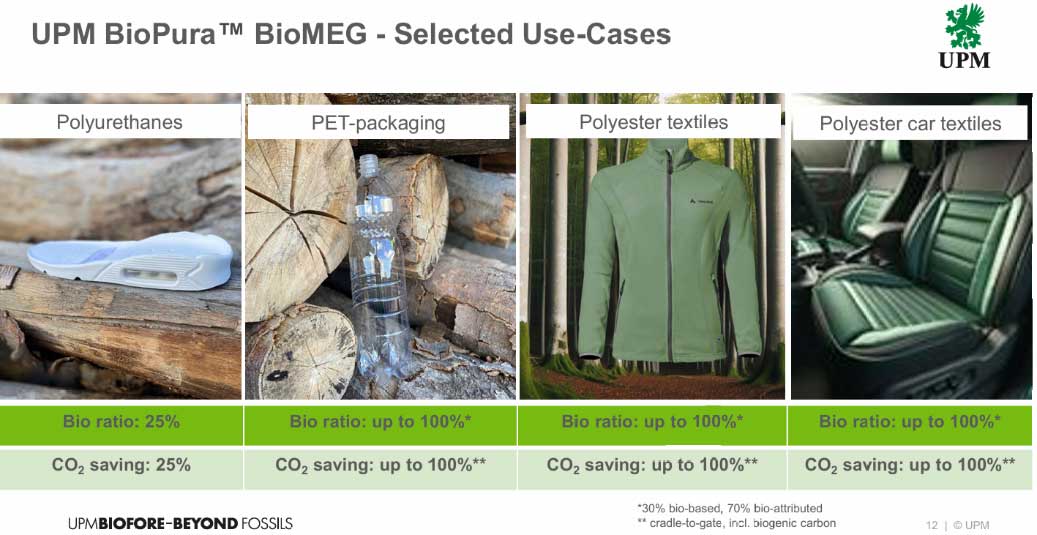
UPM BioPolyester and BioPolyurethane offer a solution for eco-conscious interior material. The biochemicals reduce the environmental footprint and reduce reliance on fossil resources. Integrated into BioPolyester and BioPolyurethanes, UPM BioGlycols are true drop-in solutions which enable high-performance and fully recyclability while treading lighter on the planet.
Thomas Weiderer (Roof R&D Tech Incubator Manager, Webasto): Sustainable Roof: Innovative Roof Systems for Sustainability


The Webasto Group has ambitious climate and environmental targets, including halving CO2 reduction in their own production, cutting it by 25 per cent in their supply chain, and using only green electricity by 2030. EcoPeak highlights are Roller Blind, Polycarbonate panels, and solar cells.
Dr. Astrid Wollenberg (Head of Interior Living Space, VW): User Experience As A Differentiating Factor – Inclusive Mobility and Interior Ideas for All
The customer groups for mobility and mobility services are as different as the worlds in which they live. With the work in the field of vehicle interiors, VW would like to respond to these different customer groups in a better way; VW wants to understand their needs and customize its products according to those needs. In doing so, there is also a focus on people with disabilities.
The presentation included interior ideas for people with visual impairments, very old people and people with obesity (BMI>30).
Lena Nguyen (Senior M&V Marketing Product Designer, Feno): Light Art Mindset Creates Well-Being in Automotive Interiors
This lecture delved into how light-based art turns the car into an emotional space, and conveys a new understanding of light. Nguyen looked at the way famous lighting artists think and work to transfer their lighting effects to the automotive interior, and presented color-psychological and technological methods.
How can we think about the design of a vehicle from the point of view of the driver’s well-being? Light is the new answer — light that doesn’t just fulfill its usual function, but creates an immersive experience and plays a key role in ensuring the emotional well-being of the driver and passengers. If you are prepared to learn from lighting artists, you can completely redefine and use light.
Philipp Siebourg (Global Design Director, Harman Automotive): Consumer Experiences, Automotive Grade
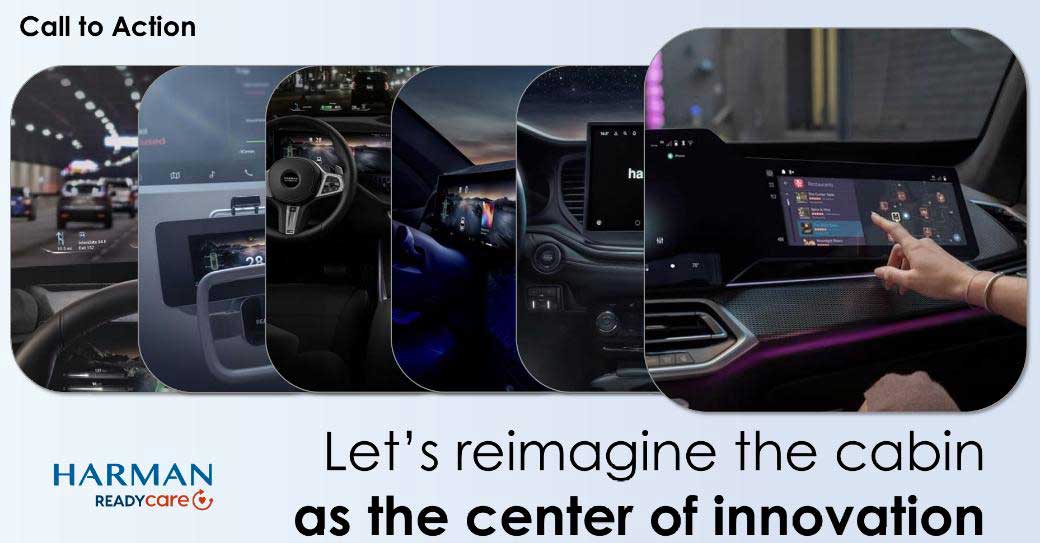
In this presentation, it was shown how Harman’s targeted strategies and collaboration were used to create unique experiences that strengthen a position as a leading innovator.
Andreas Ehret (Head of Automotive Business & Product, Dolby): Designing the Future of Entertainment in Cars: New Use Cases and Opportunities
As part of their digital lifestyle, drivers and passengers are supposed expect an in-car entertainment experience that matches the one they enjoy at home or on the road. And because cars offer a purpose-built environment, it is possible to create a personalized interior experience that goes beyond what is possible elsewhere. This presentation provided an overview of existing and emerging use cases and content formats that go beyond music and movies. In addition, critical success factors for broad consumer adoption were highlighted and some thoughts on potential business opportunities were shared.
Expo Space


The event was accompanied by a trade exhibition where companies presented their technologies, products, and services. Exhibitors included:
- Acad Group
- Dolby Germany
- Fachverband Galvanisierte Kunststoffe
- Feno
- Grafe & Co
- Hamamatsu Photonics Deutschland
- IFG Ingolstadt AöR
- Iprotex & Co
- Rökona Textilwerk
- Sandler
- Sonomag
- SRW Metalfloat
- TactoTek
- Textilforschungsinstitut Thüringen – Vogtland
- TITK – Thüringisches Institut für Textil- und Kunststoff-Forschung
- TÜV Rheinland LGA Products


