
Solar-control glass has been a useful but expensive option in cars, usually available in luxury vehicles more than in less-expensive car segments. But the electrification trend is going to dramatically increase the use of solar glass.
It helps reduce cabin heat build-up, and minimizes the degrading effects of the sun’s radiation on interior trims and fabrics. In EVs and hybrids, it reduces the HVAC workload and extends battery range and efficiency.
Most commonly, glass is treated with IR-reflective coatings or embedded with UV-blocking interlayers like PVB (polyvinyl butyrate). These techniques can reduce solar cabin heat gain by up to 60 per cent,depending on the glazing, and keep the interior cooler when parked, minimizing the need for pre-conditioning.
Pilkington, a major glass supplier, offers both options; their Optikool and EZ-Kool are green, optimized solar-absorbing glasses, reducing the heat entering through a vehicle’s glazed area by around 20 per cent when compared to standard tinted glass.
And their Sundym is a neutralized green material for door windows, offering a reduction of solar loading by 45 per cent when compared to that at the front of the car. Pilkington Galaxsee is a grey privacy glass which reduces heat by 65 per cent when compared to that at the front of the car.
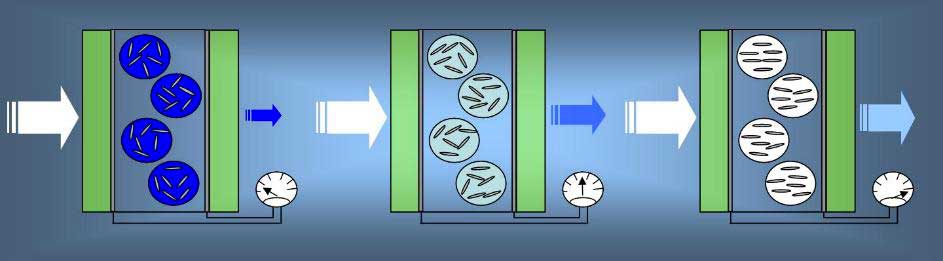
Pilkington’s Siglasol automotive glazing also reflects the sun’s heat. It is constructed from an infrared reflecting film laminated between two pieces of glass.
Similar solutions are offered by other glass suppliers like AGC automotive, Saint-Gobain, and Fuyao Glass.
Another solution, with limited use so far relative to coated glass, is photovoltaic (PV) glass, which integrates transparent or semi-transparent solar cells (amorphous silicon or copper indium gallium selenide) into the glass, converting sunlight directly into electrical energy. The extra source of energy can be used to power low-energy systems like ventilation fans, infotainment, or sensors, charge the 12V auxiliary battery or , in advanced setups, assist with main battery charging.
The recent advancements in solar cell development might soon transform PV glass into a mainstream feature, improving comfort and efficiency of future E-mobility.


