
Car seats are not just about safety and comfort, they also need to be adaptive, connected, and multifunctional. A few examples of current trends:
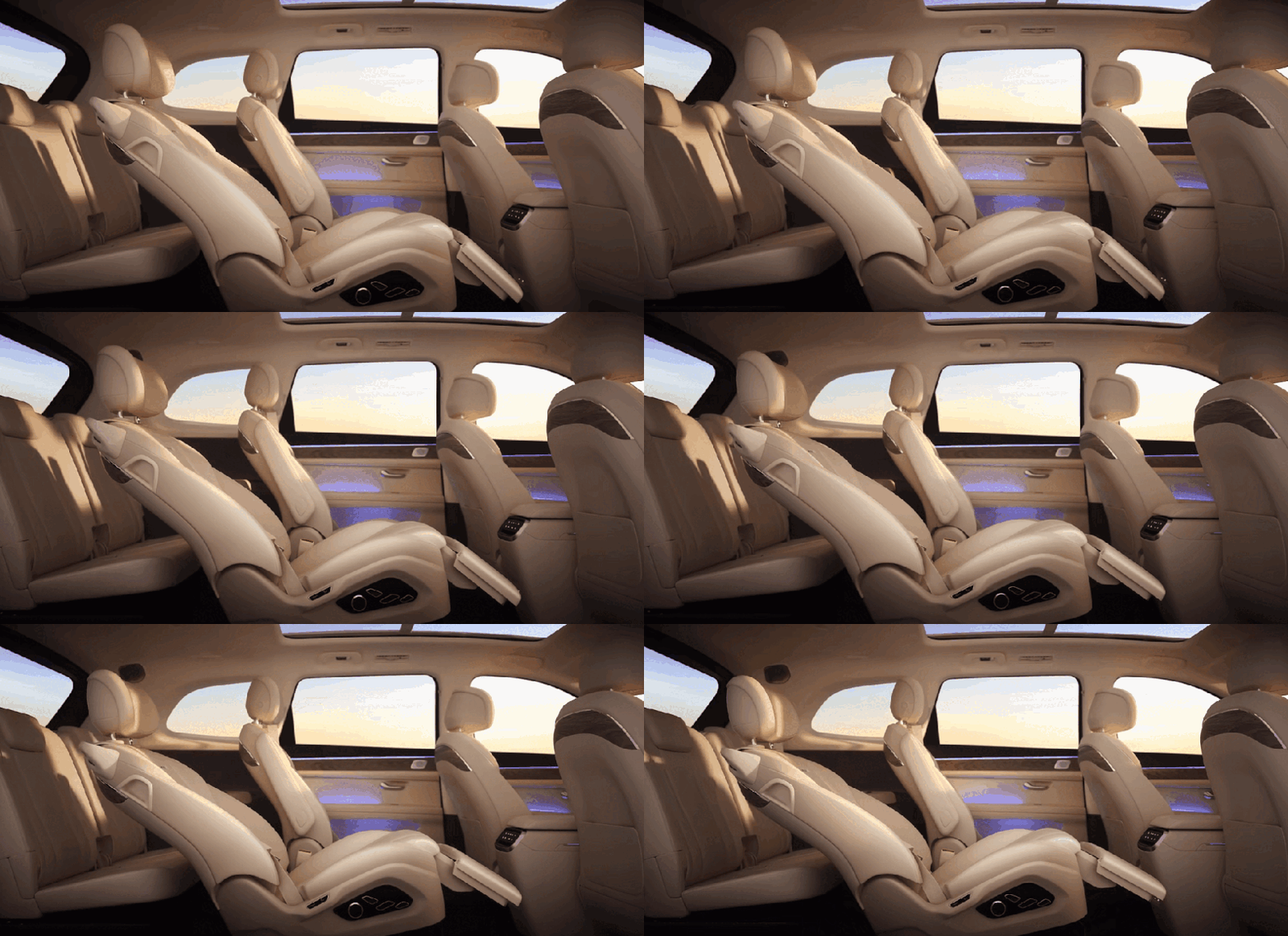
- Personalization – Seats must recognize the occupant and adjust automatically for optimal ergonomics. For example, the Zeekr 001 can configure the rear seat tilt level based on personalized settings.
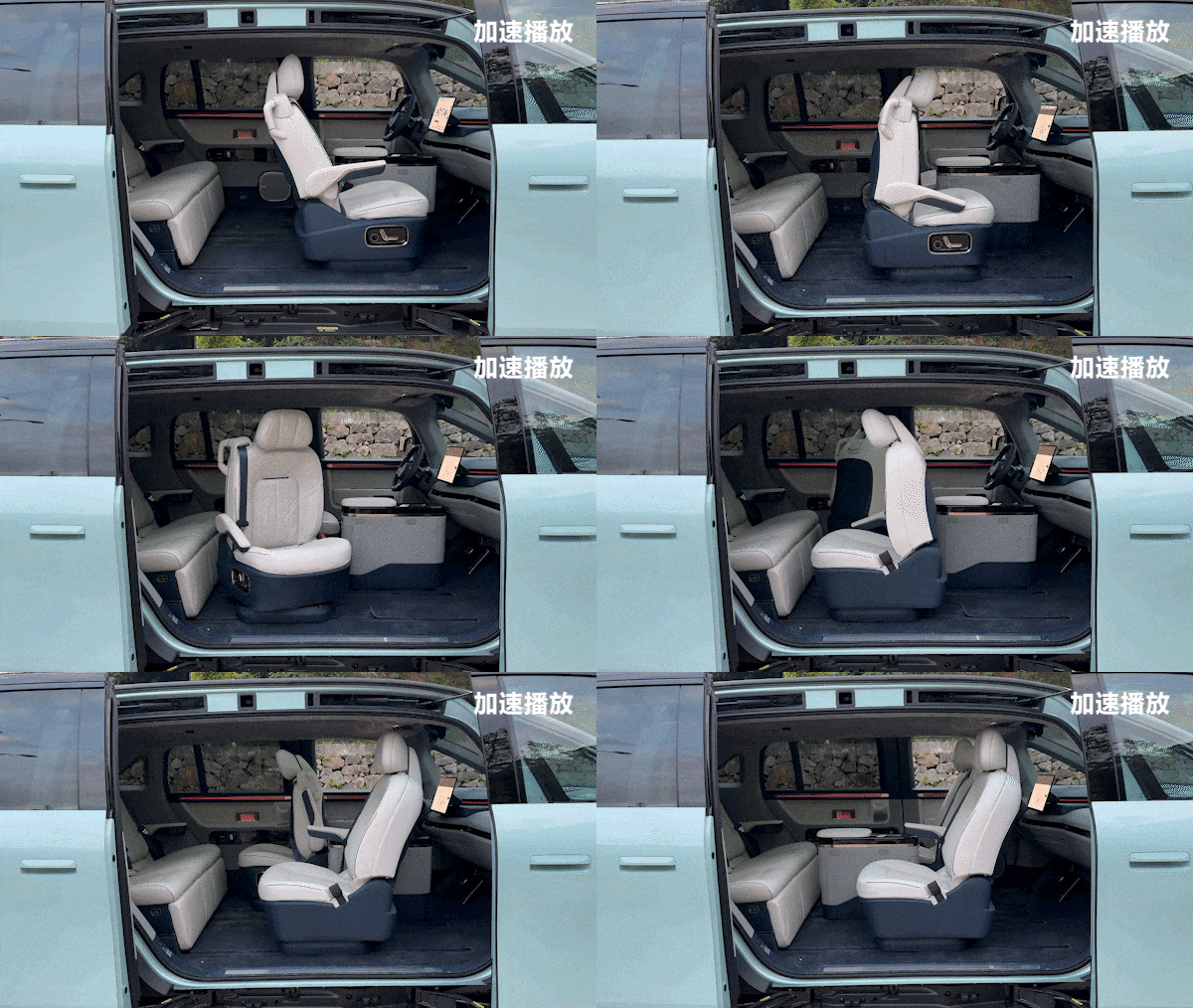
- Customizability: Flexible configurations that adapt to different cabin layouts, like the Zeekr Mix, allowing dynamic seat arrangements.
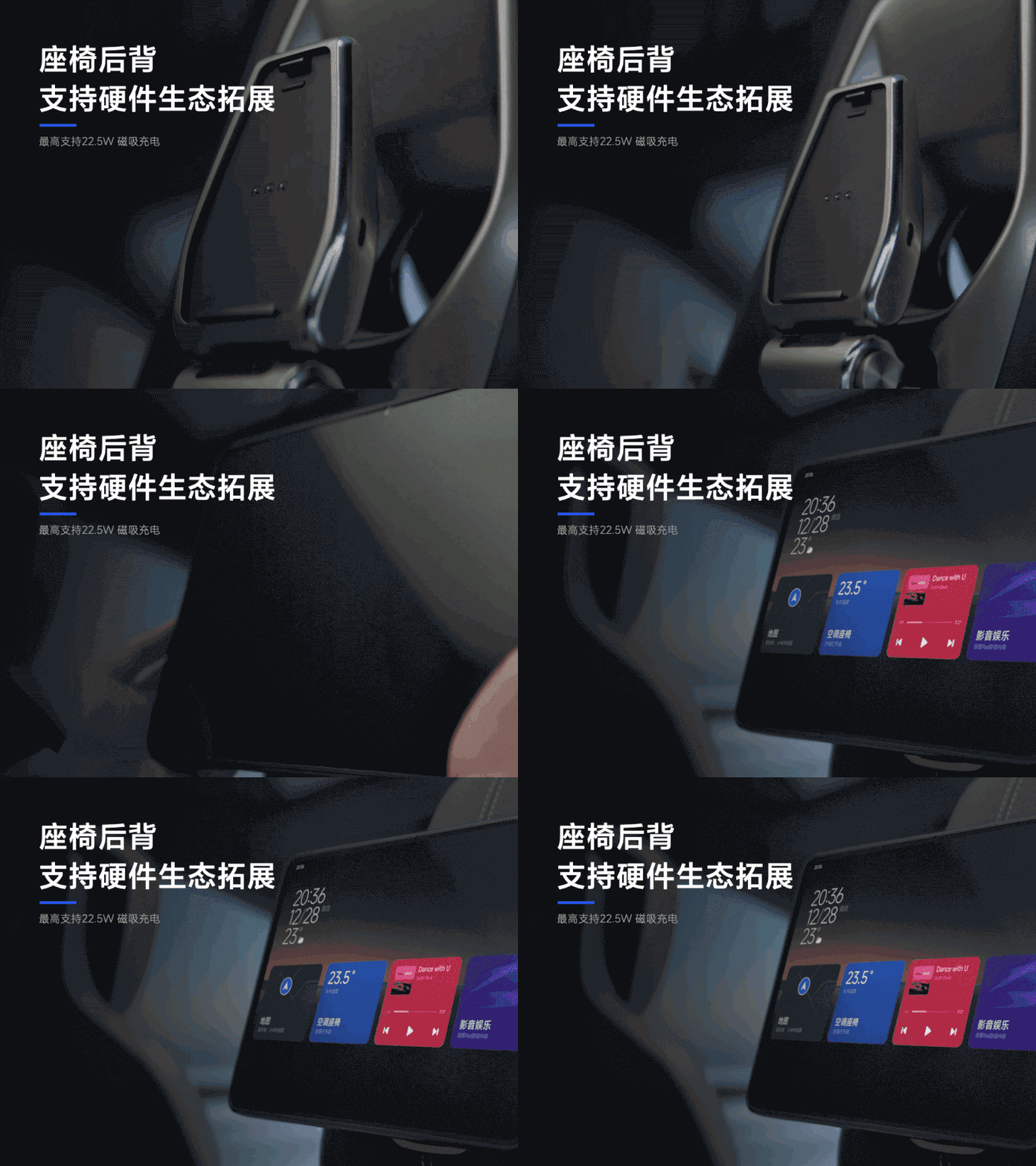
- Device Integration, supporting extensions such as Xiaomi SU7’s seat-back mounts, enabling passengers to attach dual tablets for entertainment or work.
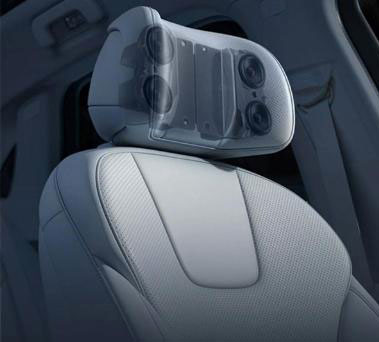
- Control & Multimedia Hub; Aggregated screens, control modules, and immersive headrest speakers, such as the Aito M5’s headrest stereo, enhance the user experience.
User Experience is what OEMs with Design & Engineering plan to offer as usage of the vehicle and its features, But it is also what consumers do with their vehicles!
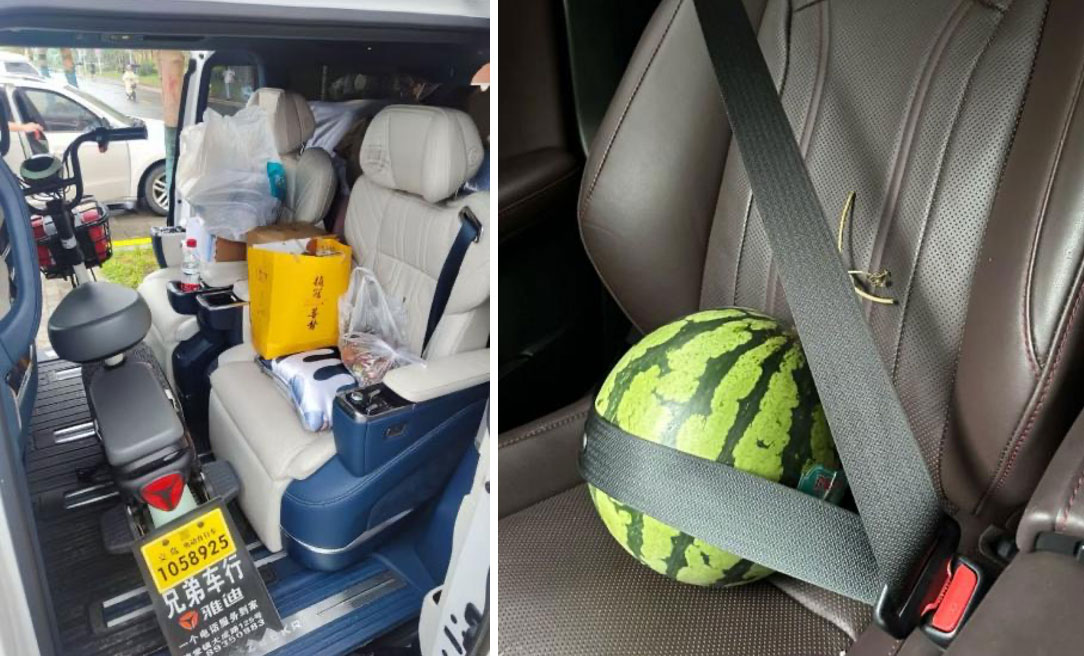

Good example with rear seats and cargo; China is known for extended business vehicles with extra rear seat legroom, for instance all the Audi L versions. But, maybe more than anywhere else, rear seats and extra legroom are not only there to accommodate business leaders, but also just to accommodate stuff!
In reality, those spacious rear seats often double as a cargo zone: boxes, suitcases, scooters, golf bags, watermelons…the list is endless.
At the end, what counts is flexibility. Why choose between a VIP lounge and a moving storage unit when you can have both?
Thanks to Guang Yang for his contribution—he will be speaking next month at the DVN Interior Workshop, in the Seating session.


