
Li Auto to Change AI Focus
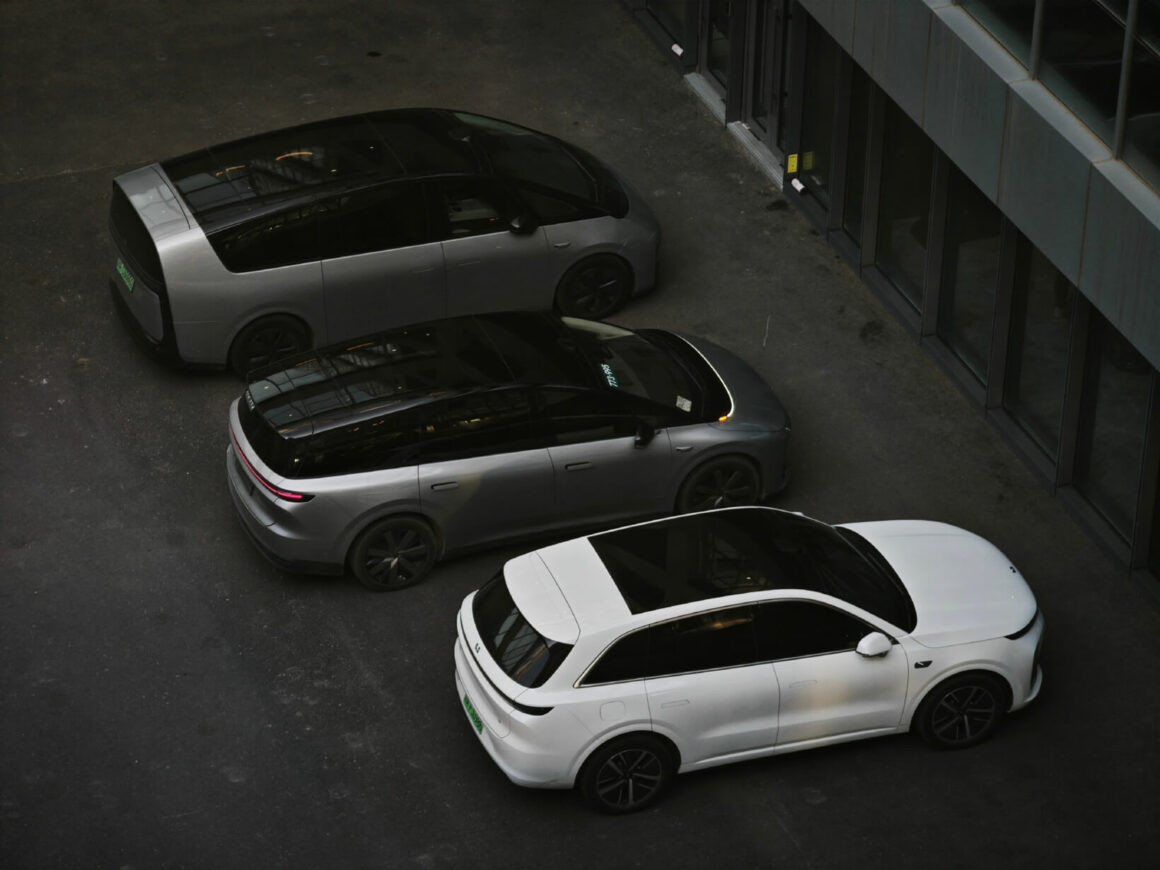
Of the many Chinese EV start-ups, companies like Xpeng and NIO had focused on investing in technologies such as in-cabin AI and autonomous drive, while Li Auto had focused on short-term profitability. Li Auto had signaled at the end of 2024 that it would pivot to embedded intelligence, but it wasn’t until recently that this strategy has come together. Rather than use third-party technology, Li is investing in a foundation model that can be used for both driving and robotics. Having a competitive AV platform is key to success in the China market and we have seen a number of OEMs, including the European brands , change their AI software strategies recently to try and address this.
Xpeng Merges Autonomous Driving and Smart Cockpit Units
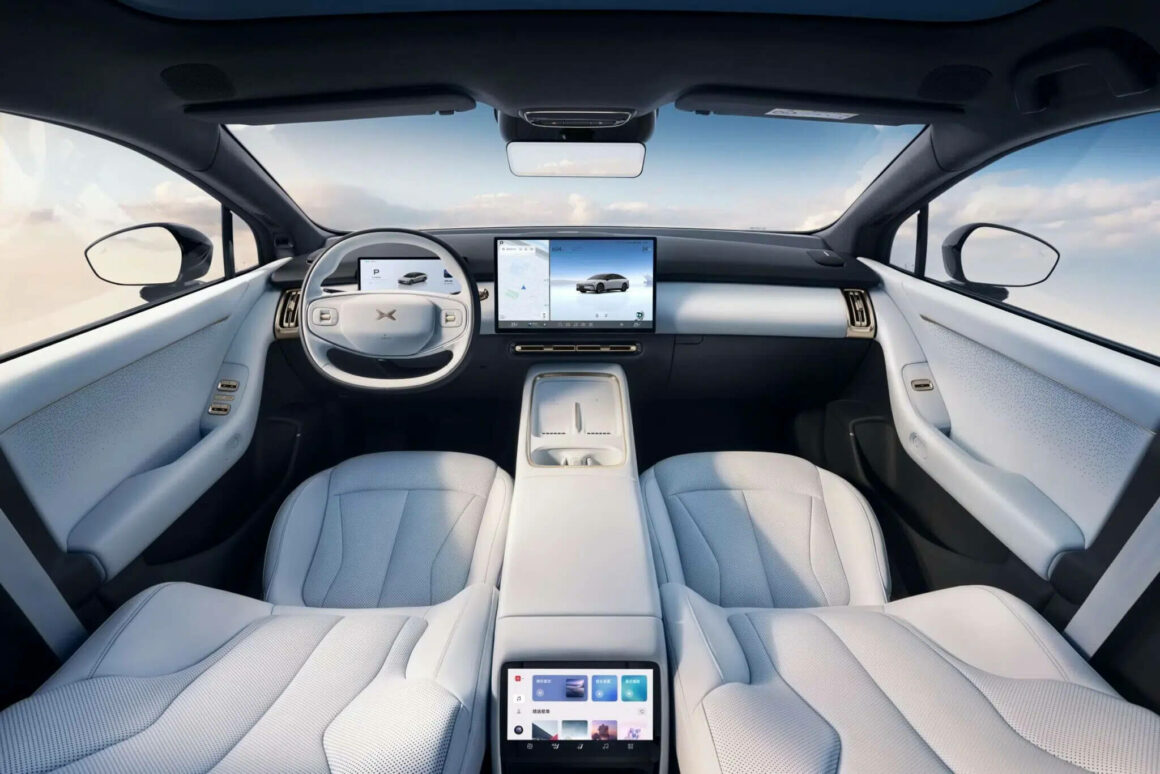
Xpeng has merged its two AI software teams into a general intelligence unit that will develop software for both cars and robotics. Xpeng has also started robotaxi testing based on its second generation VLA model. Leveraging a single VLA foundation model for both consumer driving, robotaxi and robotics seems to make sense and will make development more efficient going forward. The AI cockpit can also leverage this model.
Xpeng demonstrated its new VLA 2.0 automated driving system to the UN/WP.29 working group on Automated Driving Systems in Shanghai showing its capability across complex urban environments and highway driving. The next generation VLA architecture provides lower latency and hence a smoother and more human like driving experience. The company plans to expand its autonomous driving offerings to international markets and working closely with the WP.29 group should smooth the way for that. XPeng is also licensing its software to other OEMs and announced VW as a launch customer.
Neolix passes 100M KM of L4 driving
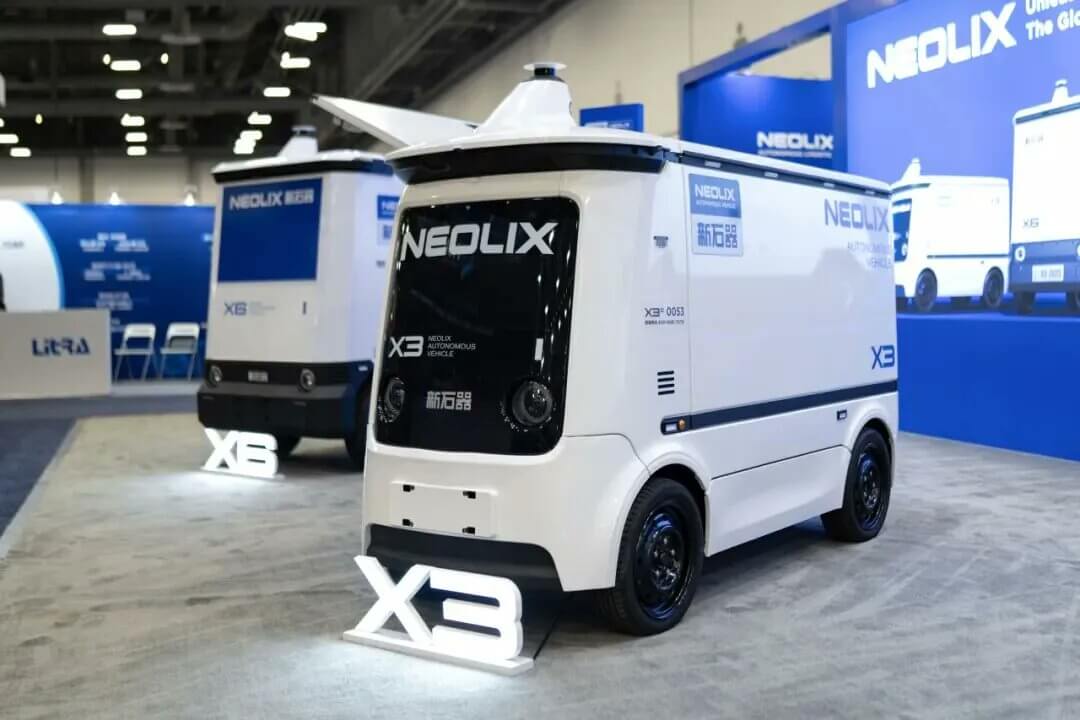
Neolix operates a fleet of more than 16,000 robovans in China and the Middle East and continues to initiate operations in new countries. Partners include China Post and multiple express/delivery companies and the company has won around 70% of awarded tenders in China’s autonomous delivery market and around 30% of overall marketshare . Neolix’s L4 driving system uses 12 cameras and one lidar and does not use HD Maps, which makes it easier to expand to new territories.
Black Sesame A2000 design win for autonomous driving
Black Sesame has won a design from a leading domestic automaker for its A2000 computing chip, supporting L2+ and L3 driving functions. Nvidia and Mobileye have dominated the autonomous driving market in China with Horizon Robotics at the lower end, but we are now starting to see design wins from other domestic chip companies and some auto OEMs designing their own chips.
Minieye working with DST and Gecko Motors on Autonomous Delivery Vehicles
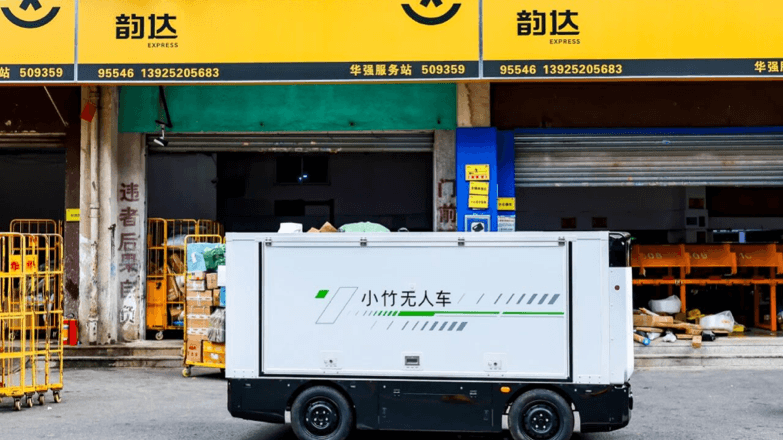
Gecko Motors will integrate Minieye’s L4 driving stack in an autonomous delivery vehicle that will be deployed by DST in Shenzhen. The robovan market is expanding quickly in China and will come to other markets in the next few years.
Doordash alone has more than 1M drivers (although many are part time) and 42M active monthly users and delivered over 900M orders in Q4 ’25, representing a more than 30% y/y growth (and around 65% of the US delivery market share). China is the biggest food delivery market in the world, and while not all drivers will be replaced by robovans anytime soon, it represents a significant opportunity for the technology.
WeRide Unveils new Simulation Platform
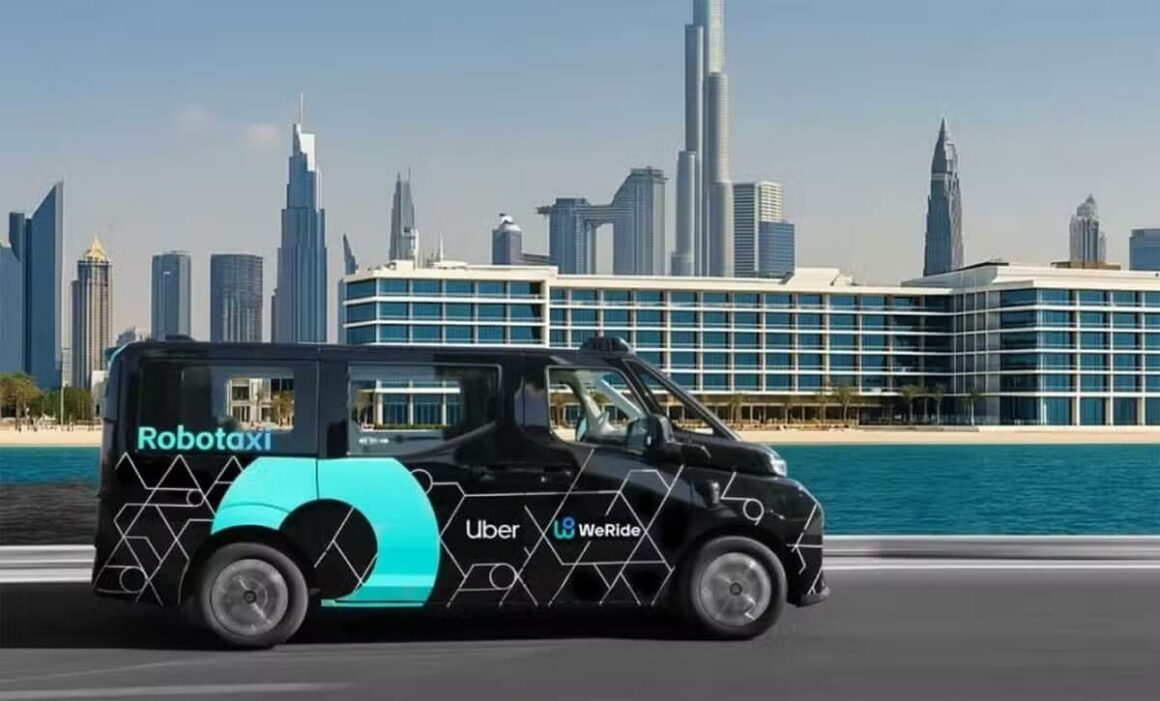
WeRide developed its GENESIS driving simulation platform internally, combining physical models and generative AI to train and validate its driving algorithms. On-road testing at scale takes too long and is becoming impractical to do so simulation environments have become key to deploying autonomous technologies and simulating corner cases and extreme weather conditions. The system has a separate performance evaluation module that allows algorithm updates to be evaluated objectively.
Huawei hold more than 50% of the high-end autonomous drive market in China
Huawei’s Qiankun autonomous drive software holds more than 50% market share in China’s luxury car market according to the China Association. Of Automobile Manufacturers and around 20% overall market share. Hauwei has close relationships with GAC, SAIC, JAC and many of the other top 10 China OEMs and often embeds 100’s of engineers with the partner for a particular model launch. A competitive NOA solution is key to success in the China market and domestic solutions have become increasingly sophisticated. Over 3M cars have now shipped with the Qiankun solution.
China Tightening Autonomy Rules
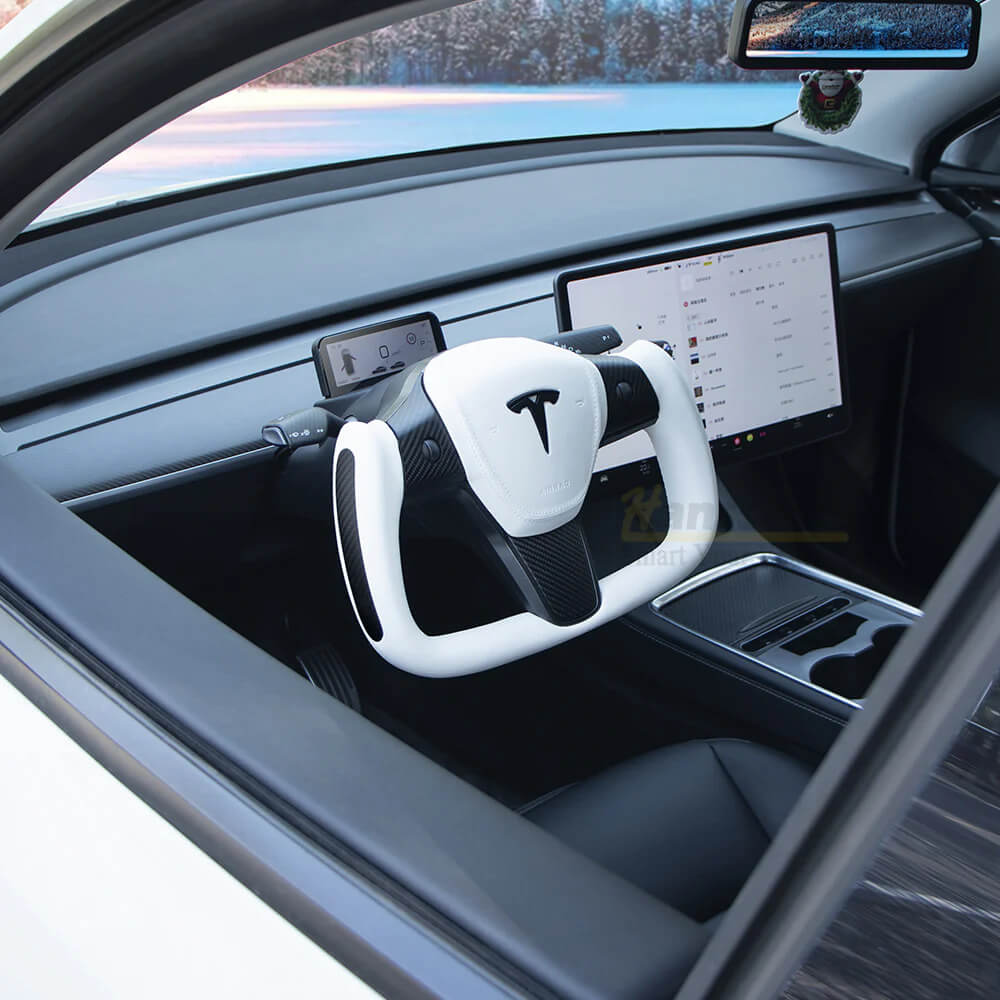
Chinese regulators are proposing new rules that would require safety functions to be controlled by actual switches and buttons, not buried in menus on touchscreens. This would include turn signals and hazard lights. The rules would also ban yoke type steering wheels. L3 and L4 autonomous driving systems would have to demonstrate safety equivalent to a competent and attentive human driver and submit a safety case. The car would also have to pull over to a safe stop if the driver ignores a takeover request.


