By Felipe Melhado, Senior Advisor, DVN
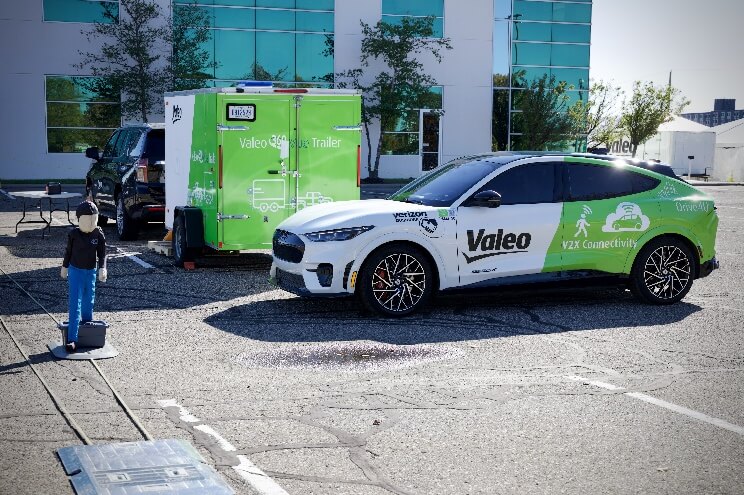
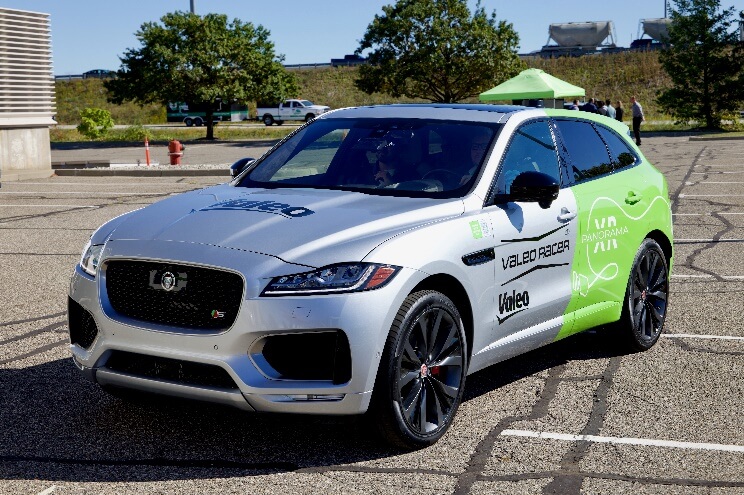
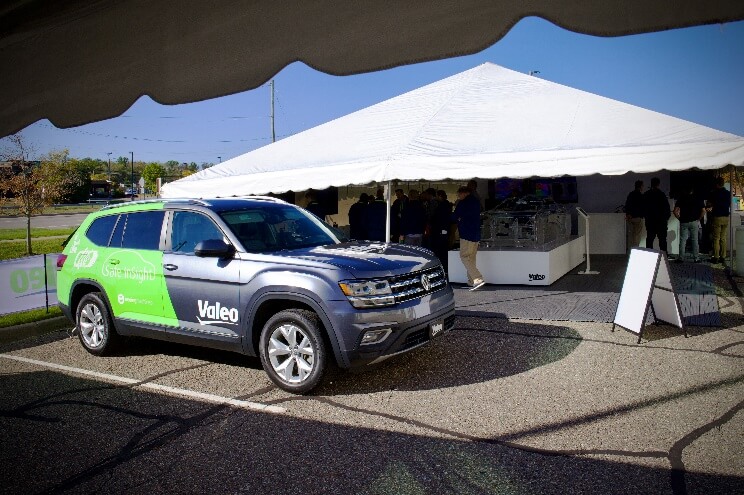
During my visit to Valeo’s Tech Day in Troy, Michigan, I saw how the company is connecting every corner of the vehicle inside and outside, using their solutions in sensors, cameras, intelligent control systems and software. The demonstrators gave us a glance at how Valeo sees the future of ADAS and showcased their expertise and growing role in Software Defined Vehicles architecture that will make vehicles safer and more connected than ever.
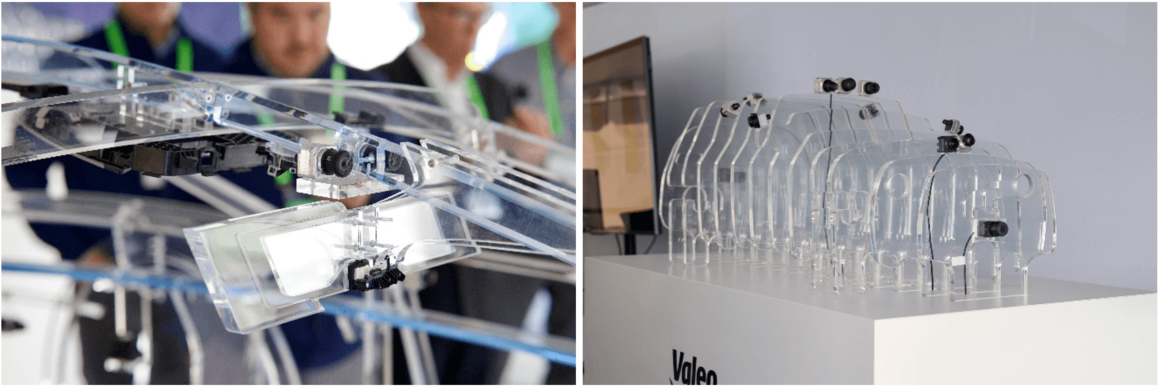
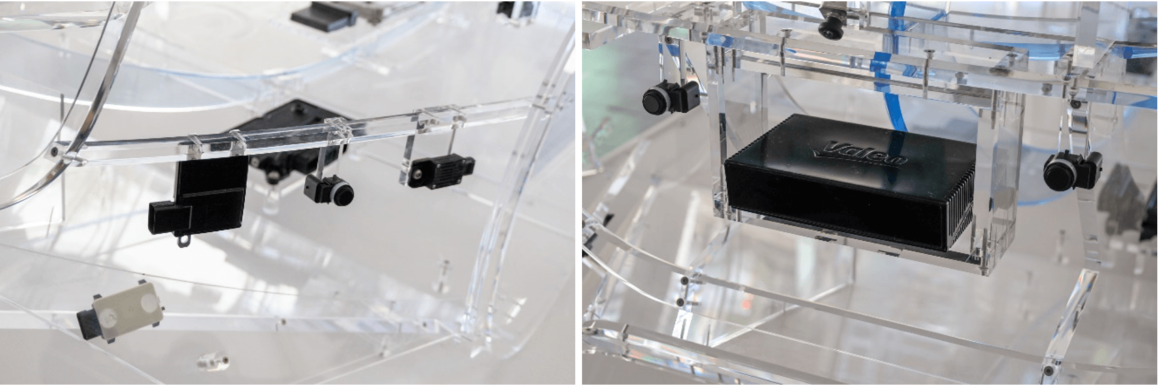
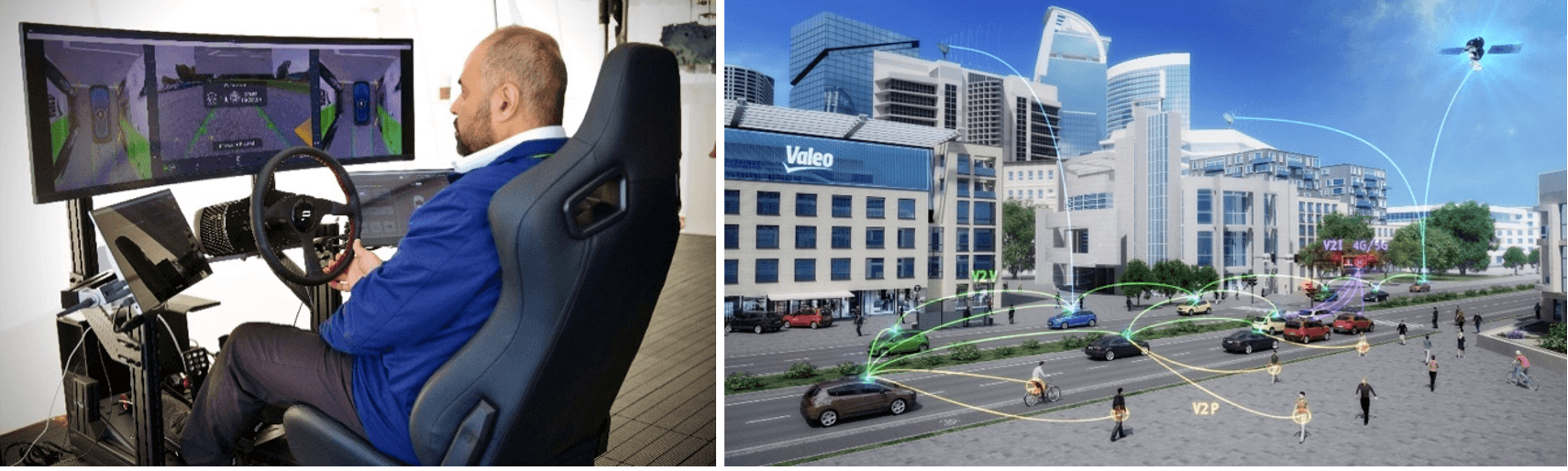
Valeo engineers presented their multi camera platform with various generation cameras that offer different solutions for interior and exterior sensing needs. High resolution cameras provide surround view, rear view and driver monitoring capabilities for comfort, driver attention and other challenges. The next generation thermal cameras and infrared sensors improve night detection and occupant comfort and safety. Inside the cabin, Valeo’s systems can detect driver’s attention, drowsiness and even alcohol consumption, preventing the vehicle to start if alcohol limits are exceeded.
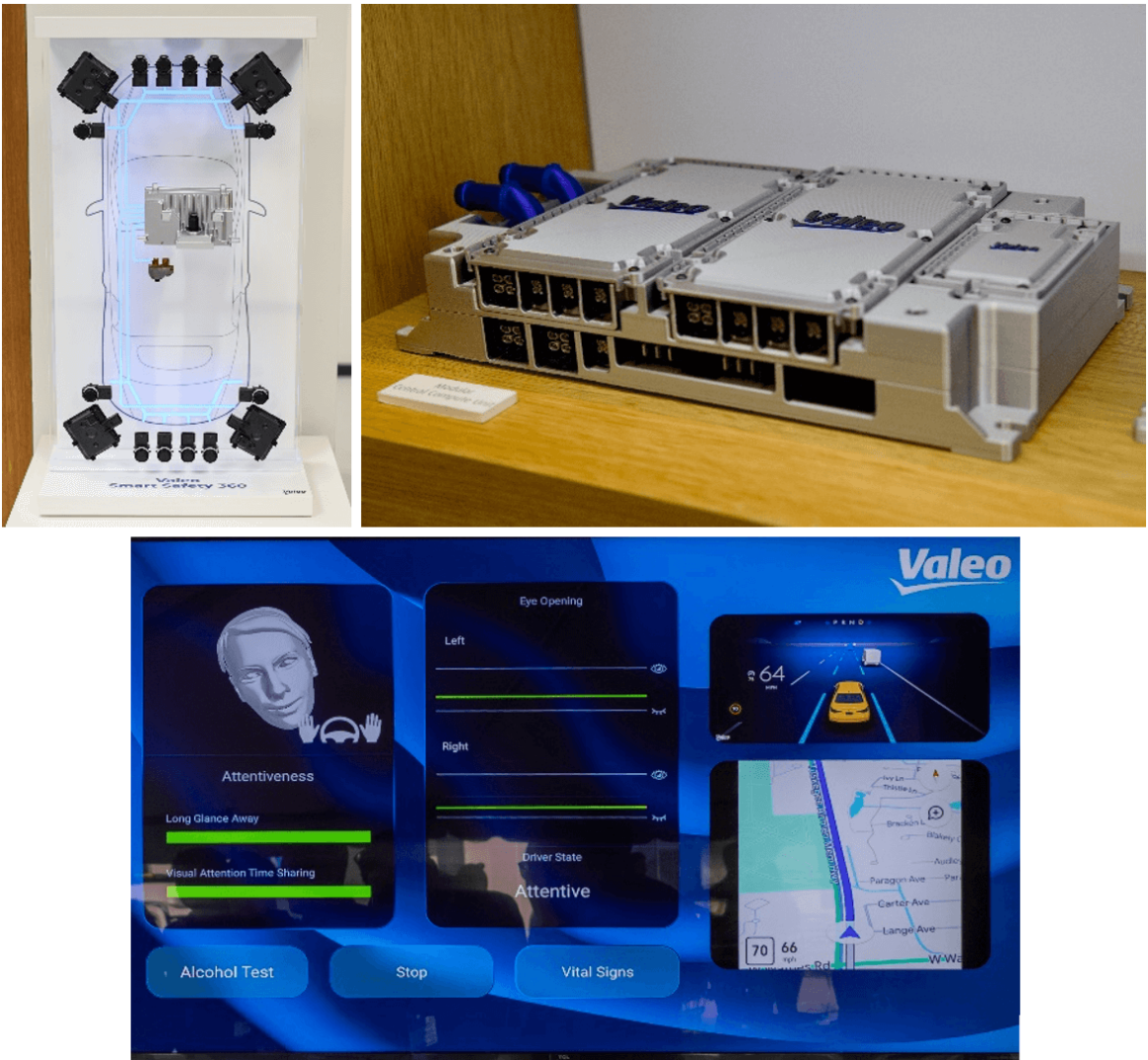
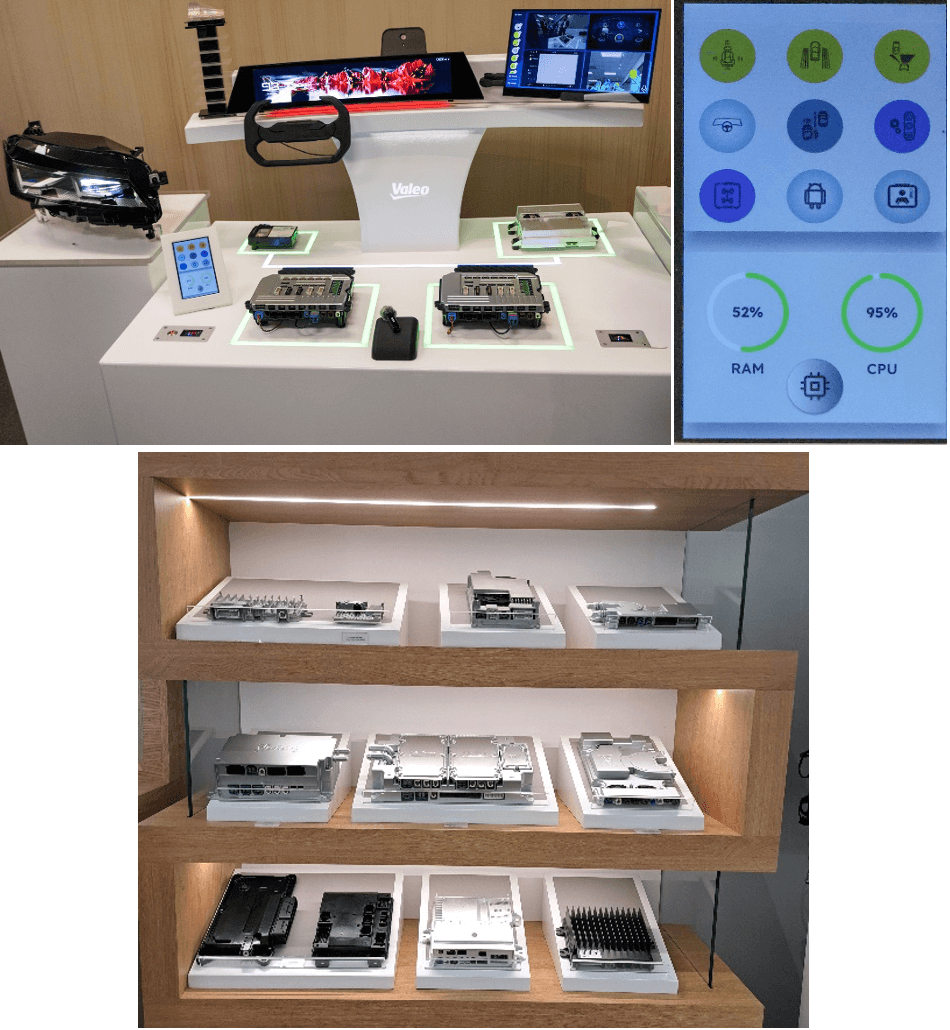
The Smart Safety 360 concept combined many technologies together. Radar, cameras and ultrasonic sensors become a unified perception layer. Valeo showcased their Central Domain Controllers that balance computing loads between multiple processors offered as part of their SDV ecosystem. Engineers showcased how redundant computing allows balancing computing loads for better safety, especially with critical functions, like braking by wire or steering assistance that remain active even if one unit fails, essential step for higher level automated driving.
A particularly engaging demonstration showed Valeo’s heated and software-controlled wiper system. By routing fluid directly along the blade and synchronizing it with smart motor control, the system clears sensors and windshields efficiently, even in icy conditions. The heating elements and software logic are part of the same integrated control strategy used across Valeo’s sensor suite.
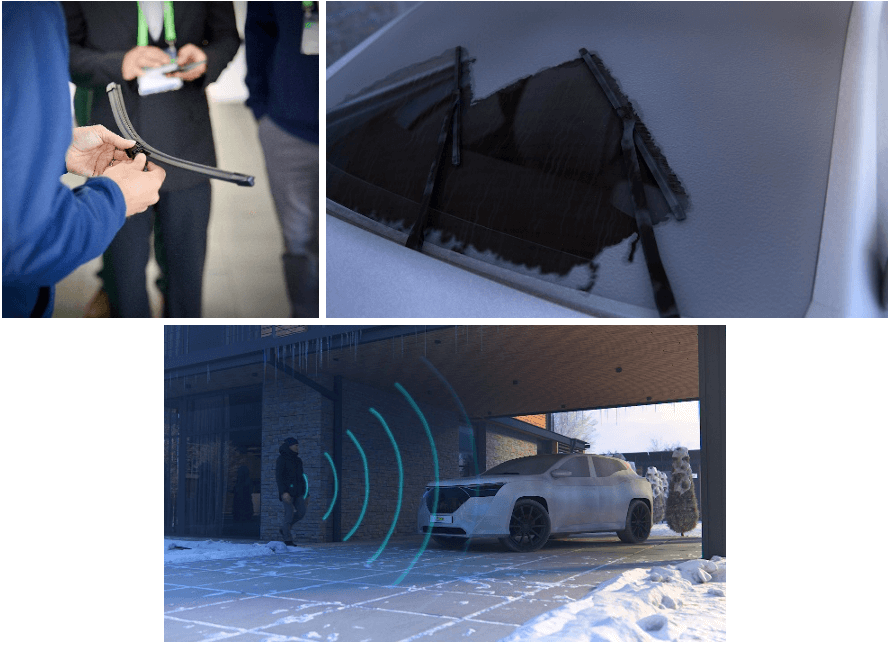
But one of the most impressive demonstrations was the full integration of sensor and telecommunications that enabled a remote controlled valet parking system of a vehicle operated in Germany. Despite poor network bandwidth, Valeo’s flat antenna telematics module and vehicle to everything (V2X) communication maintained a smooth connection, allowing the vehicle to park itself safely under human supervision from another continent.
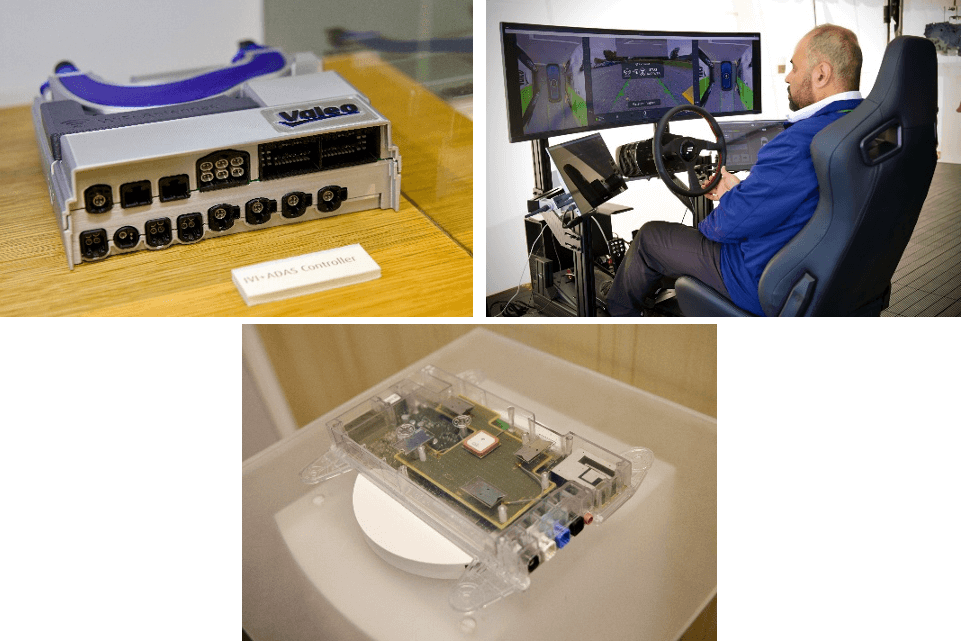
From cameras and radar to smart software and connectivity, Valeo’s approach shows how ADAS is evolving from standalone components into an intelligent, networked ecosystem, one capable of sensing, deciding, and acting with reliability across every driving scenario.