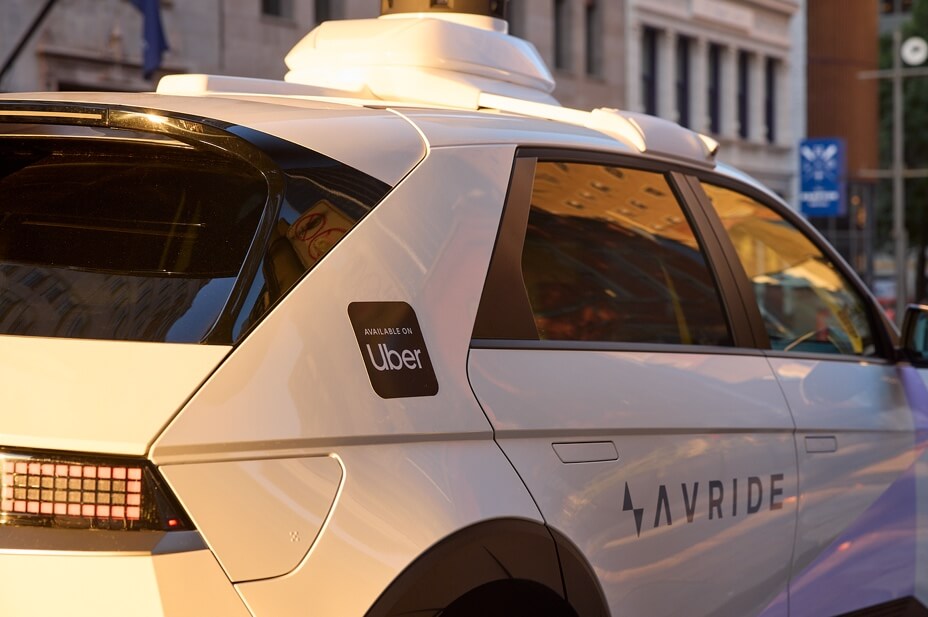
You will shortly be able to take a Waymo Robotaxi from San Jose airport, making it the first commercial airport in California to host Waymo and the second in the world after Phoenix. This is an important milestone in the robotaxi evolution. AVride is also ramping up testing and will launch with Uber in Dallas, one of the largest ride-hailing markets in the US, later this year. Meanwhile, in Austin, Tesla has started operating on the freeway and put the safety driver in the driver’s seat. Waymo will begin expanding to winter cities – Denver and Seattle. Driverless taxi trips grew 8-fold in a year and surpassed 4 million miles driven in California, according to the CPUC.
We are also starting to see OEMs partner with some of the robotaxi software companies for L2++ and beyond ADAS solutions in an attempt to catch up with Tesla. Nissan announced that its next version of ProPilot will be based on Wayve’s software stack and demonstrated a Nissan Ariya sedan driving in Tokyo.
NHTSA announced a one year delay in adding new ADAS features including pedestrian AEB into its New Car Assessment Program (NCAP) five-star safety ratings after automakers cited unclear testing guidelines and tight timelines. These features will now be applied to 2027 vehicles. IIHS reported that AEB has led to a 57% drop in fatal crashes, showing the value of these ADAS features. China remains the leading adopter of L2 systems, with almost 80% of new energy vehicles shipping with L2 assist and traditional fuel vehicles surpassing 50%. This month, we interview David Chang, CEO of Whale Dynamic, for a perspective on the China robo-delivery market and technology.
We have a full slate of speakers and are finishing booking exhibitors for our November conference in Germany. There are still have a few spots left – this is a great event to engage with other members of the ADAS community so please contact me if you are interested.
A preliminary agenda is available on the DVN website.

Martin Booth
DVN USA Representative
mbooth@drivingvisionnews.com


