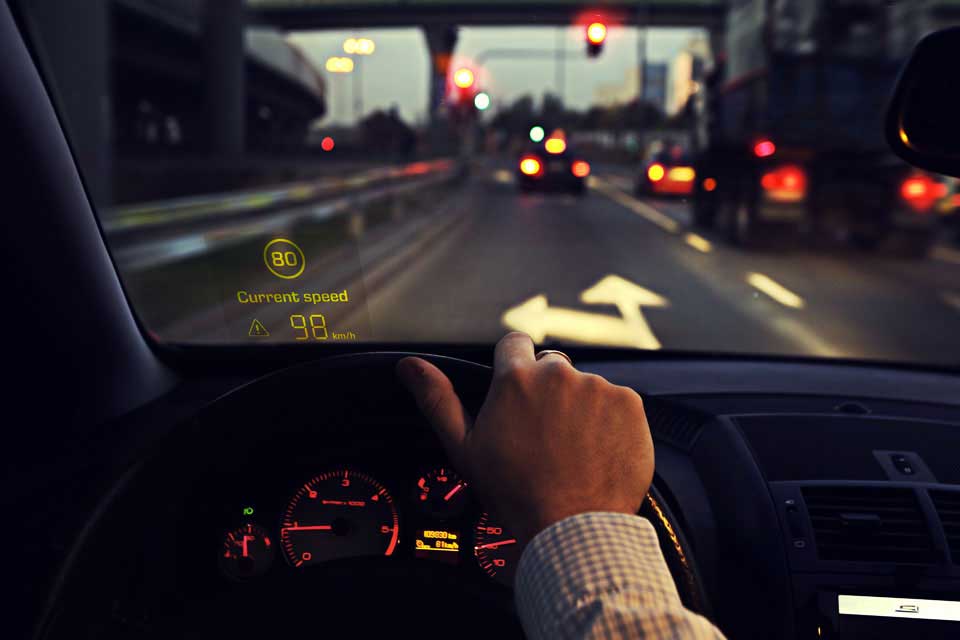
Lumineq makes in-glass displays, and their technology can turn any glass — windshields, side windows, sunrooves — into interactive see-through displays.
One of the most obvious applications is HUDs, which usually require a bulky setup with a projector, combiner, and video computer. That takes up space and has angle limitations. A more advanced solution involves laminating a transparent thin-film display directly into the windshield, eliminating the need for extra components. Lumineq’si n-glass displays offer over 70-per-cent transparency, meeting industry standards (as well as many localities’ legal requirements for minimum car window transmissivity) and remaining nearly invisible when not in use.

In-glass displays could help with autonomous driving: without a human driver to make eye contact, it can be unclear if a vehicle intends to yield to a pedestrian. Displaying a message like ‘safe to cross’ on the windshield or side window could broadcast intent, possibly replacing a human driver’s nod or arm-wave.
Integration in ‘smart’ windows could be useful in a shared/gig economy; when you are looking for rideshare car among hundreds of cars in the parking slot, your name could appear on the windshield. With ‘smart’ windows, you could unlock the car by typing the code directly on the window.


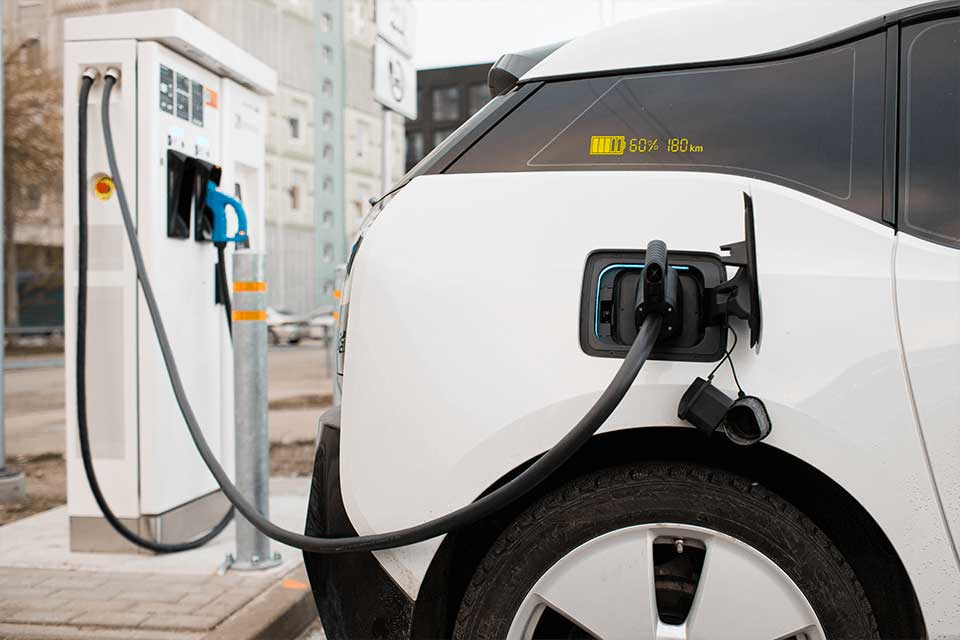
Other applications could include displaying charging status on the side window of an EV, controlling the sunroof, dimming the side window, or getting a warning notification on the side window when leaving things behind on the back seat.


