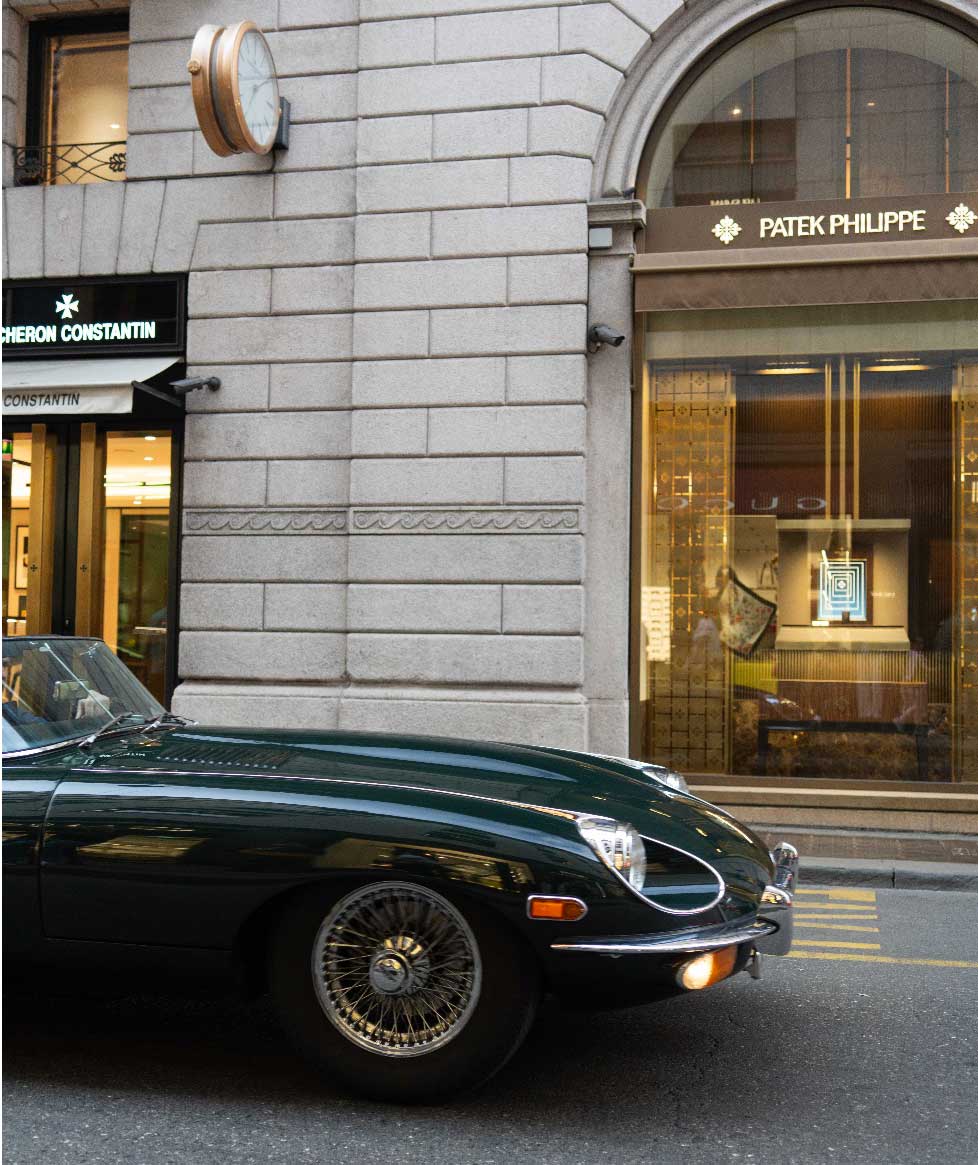
Known in Italian as Settimana del Design di Milano, Design Week is one of the world’s most influential design events, held annually in Milan, Italy. It transforms the city into a vibrant showcase of creativity, innovation, and design excellence. Designers, architects, brands, and creatives from around the globe present their work in exhibitions, installations, and pop-up events across the city. A few years ago, the automotive world started to participate, and they’ve gained great traction. Here we present some of the best exhibitions we saw.
Audi
This year, the House of Progress is animated by the Dutch design studio Drift, who designed an immersive and interactive installation called Drift Us. It brought an interpretation of transformation in line with Audi’s DNA.
Audi created a booth in the evocative spaces of Portrait Milano, the 16th-century complex which now is the arena for showcasing future-forward innovation.
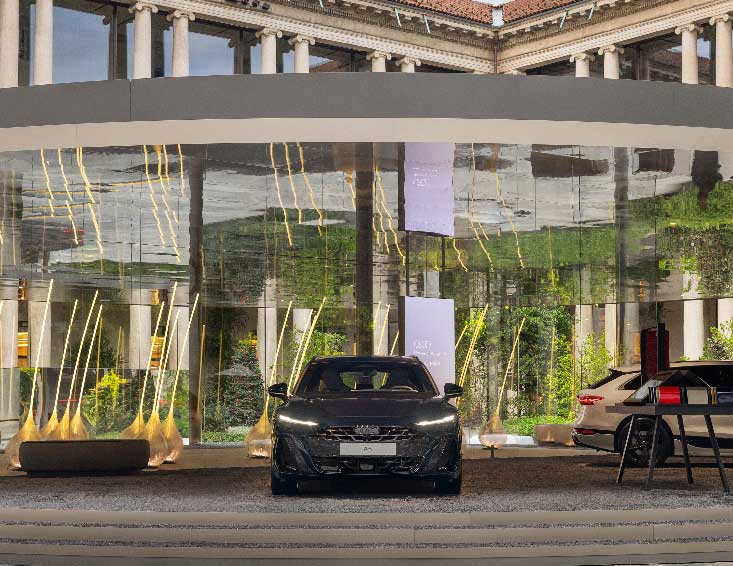
Drift’s work forms an immersive robotic landscape where kinetic bulbs sway in response to visitors’ movements, mimicking wind in a field of grass.
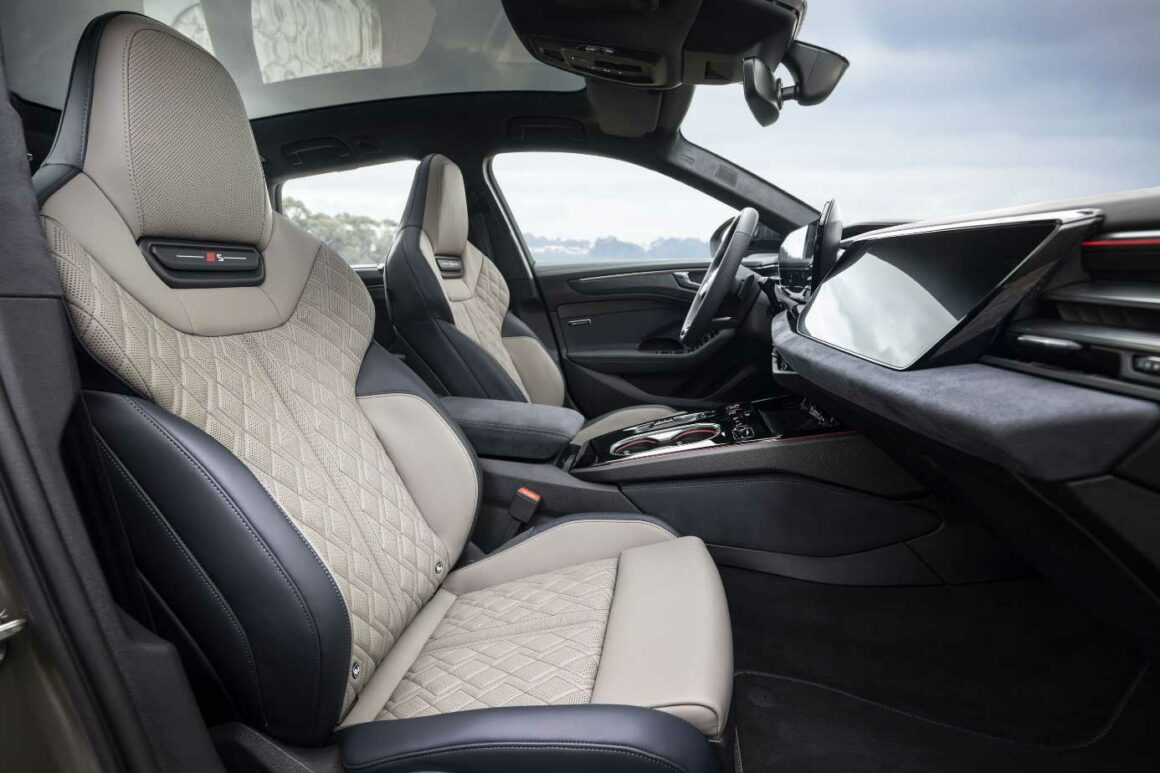
In celebration of 30 years of custom personalization, Audi unveiled a special edition A6 Avant, spotlighting premium design and craftsmanship with an upgraded interior and sport seats in Baikal Blue and Neodymium Gold. The interior features vanadium trim.
Color & Trim Designer Nadine Wolfinger said, “Neodymium is a metal that occurs naturally in combination with minerals. Our selection of colors was inspired by this luxurious element. Combined with the intense hue of Baikal Blue, the interior takes on a particularly elegant appearance. In bright light, the blue appears vibrant and radiant, but in subdued light it takes on a soothing, almost mystical depth”.
There was a ‘Material Bar’ where specially-configured exhibits – such as three seating islands with different colors of leather and contrasting stitching – gave an overview of the wide range of customization options offered by Audi.

There are two specific design packages that add high-contrast colors to the interior. One features side bolsters in dark Baikal Blue, with the seat center panel in perforated fine napa leather and neodymium diamond stitching, contrasting Baikal Blue seams balance both colors perfectly. The sporty, elegant style is complemented by additional Baikal Blue interior elements, including the center armrest, center console trim, decorative elements on the instrument panel and doors, and front and rear door armrests. These elements come in the microfiber material Dinamica, which looks and feels like suede, but about half of it is recycled. All elements feature neodymium contrasting stitching, as do the black leather steering wheel, the upper part of the dashboard, and the floor mats.
The other design package focuses on textiles and uses light gray Kaskade fabric and Neodymium Gold accents to create a play of colors. The Kaskade is reminiscent of natural materials such as wool, and is not additionally dyed. It is partially made from recycled materials such as selvedge and recycled polyester.
Cupra

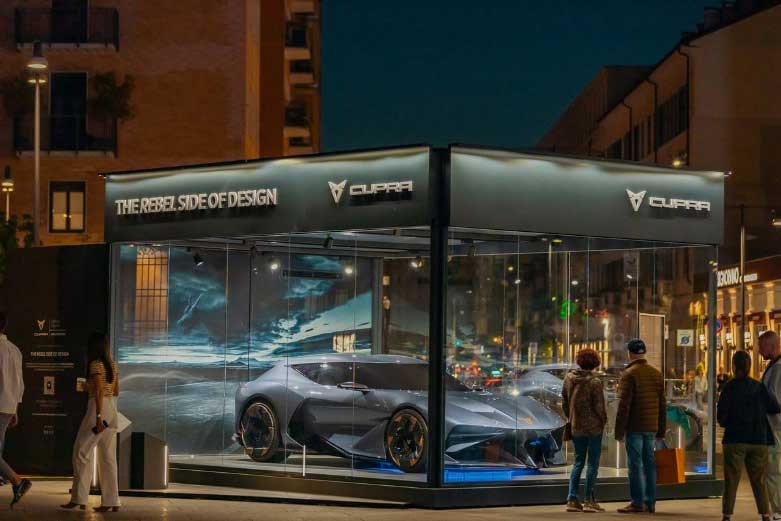
In the heart of Milan, an immersive structure invited visitors to explore the Cupra Sensorial Capsule, a futuristic prototype redefining the interior of a Cupra vehicle. This concept goes beyond the traditional relationship between human and machine, revolutionizing the onboard experience and offering a glimpse at future Cupra interiors. Inside the capsule, the environment intuitively responds to gestures, preferences, and emotions, creating a seamless connection between the person and the car.
This wasn’t just a showpiece, but a seemingly living sculpture answering the movements and using the light to create different shapes, giving life to surfaces thanks to lighting.
Its materials, contours, and structure are revealed through light trails and mapped projection.
Fiat
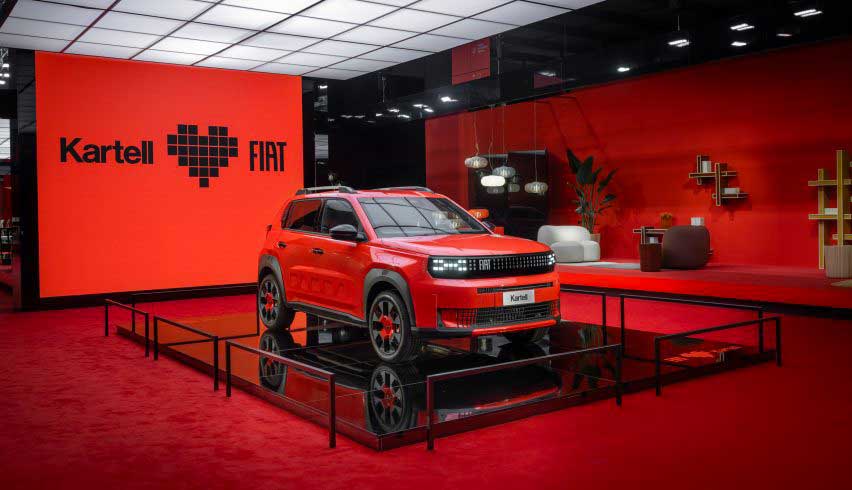
Visitors to the stand of furniture brand Kartell at the Salone del Mobile trade fair might have been surprised to find a car on a pedestal, front-and-center.
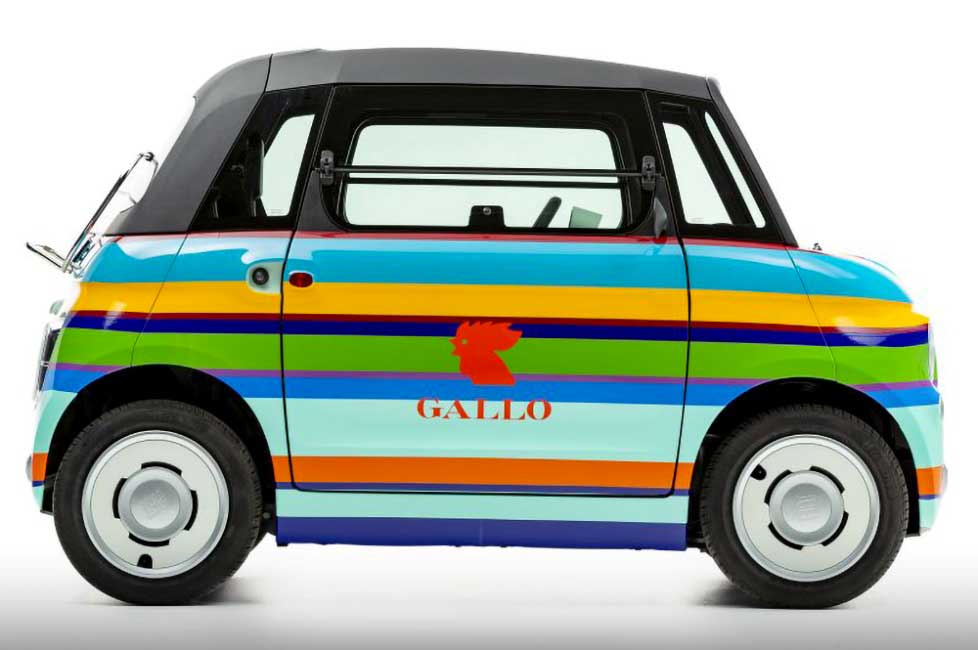
Kartell teamed up Fiat to produce and premiere the Fiat Grande Panda Kartell, intended to help the two brands cross-pollinate design and material ideas.The bright-red car has a blue interior. It bears the Kartell logo in several places, including the wheels and seats. The new Fiat Topolino was also exhibited in the Durini Design District, and available for test drives. For a special souvenir, Gallo created a limited edition of socks inspired by the event, a perfect mix of fashion and motors.
GAC
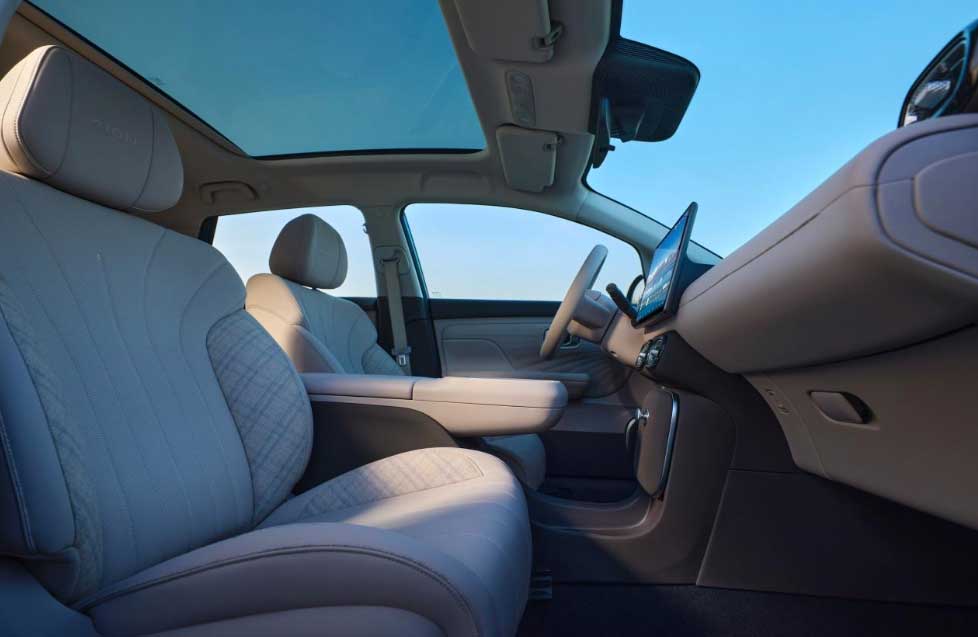
The GAC Design Studio put on an open house during Design Week — it was a phenomenal opportunity, facilitated by the maker’s design studio in the heart of the city, where most GAC concept cars are brought to life.
Outside the studio, the Aion UT was on display. This car mixes Italian design aesthetics with local market preferences. It features eyebrow-inspired headlamps, a 14.6-inch central touchscreen, an 8.88-inch digital display screen, L2 ‘Intelligent Driving Assist’, high-strength sidewalls, and a brace-shaped spine body structure. It is said to exceed European safety standards. Its second-generation magazine battery allows for a quick charge from 30 to 80 per cent in 24 minutes, and is gunshot-resistant.
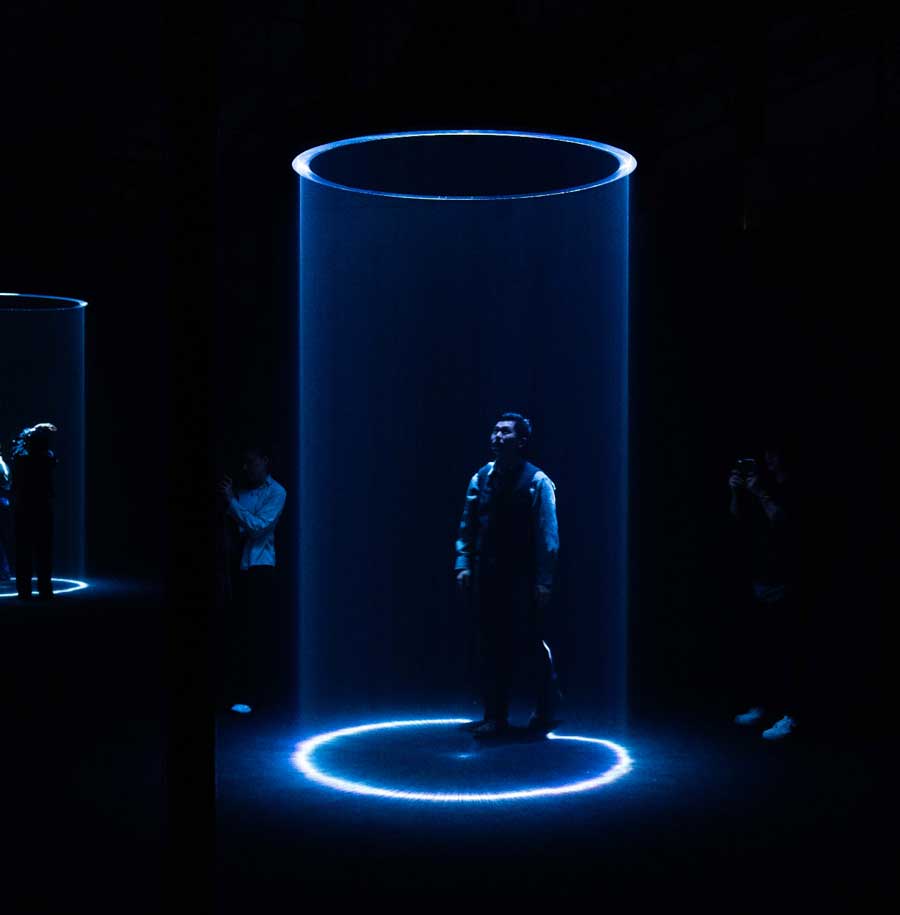
Quite unusual in the automotive world but iconic in the tech industry, Google showcased their ‘Make the Visible Invisible’ exhibition.
Google worked with artist Lachlan Turczan to present an immersive installation of mist and lasers that allowed visitors to move light as though sweeping back curtains. 2-meter-wide fixtures were suspended from the ceiling in a dark room, consisting of lasers and a concave parabolic mirror, helping to project their light below. The room was filled with mist, so the light glinting off the mirror created the impression of a curtain.
When sensors detected a person walking underneath or waving their hand through the light, the virtual curtains wobbled and moved as though made of solid material. The effect was achieved using proprietary software and heightened with sound, also triggered by the motion detectors.
Omoda

Omoda is one of Chery’s automotive brands, headquartered in Wuhu, Anhui, China. The focus is on futuristic crossover SUVs.

The Omoda 9’s cabin is a blend of craftsmanship and advanced technology The 24.6-inch curved dashboard integrates the digital instrument panel and multimedia system. High-quality materials cover the seats and door panels, while dynamic ambient lighting creates a sophisticated atmosphere. The ISD (here it means ‘Intelligent Sound & Design’, not interactive social/signalling display) system synchronizes light, sound and design.
Land Rover

Land Rover unveiled their first landmark installation, called Futurespective: Connected Worlds. It was designed in collaboration with California‑based innovation design studio Nuova.
Together with Land Rover’s in‑house creative team, Nuova visually narrated the Range Rover’s design lineage and enduring influence on modern luxury through a cinematic journey from 1970 to 2025. The interiors include bespoke furniture and soundscapes alongside custom scents by Aeir, Nuova’s carbon-negative luxury fragrance brand, all designed exclusively for the Range Rover.
Transporting visitors back to the days of the first Range Rover, the first capsule in the exhibit takes inspiration from a 1970s car dealership. At its center, a particularly significant classic Range Rover: the first of the marque’s pre‑production vehicles built ahead of its launch in 1970 sits within a nostalgic seventies interior. A celebration of the earliest Range Rover and the brand’s roots in luxury design, the two‑door pre‑production car in its original olive green color was staged within a wooden paneled room. Nuova designed custom furniture pieces for the space, including an oxblood red sofa, a circular version of their Enzo table in white Carrara marble, and bespoke desk chairs. Retro details such as a fish tank, archival artifacts, and original sketches enhanced the ambiance. The space was bathed in a warm light from 44 ceiling lights.
Lotus
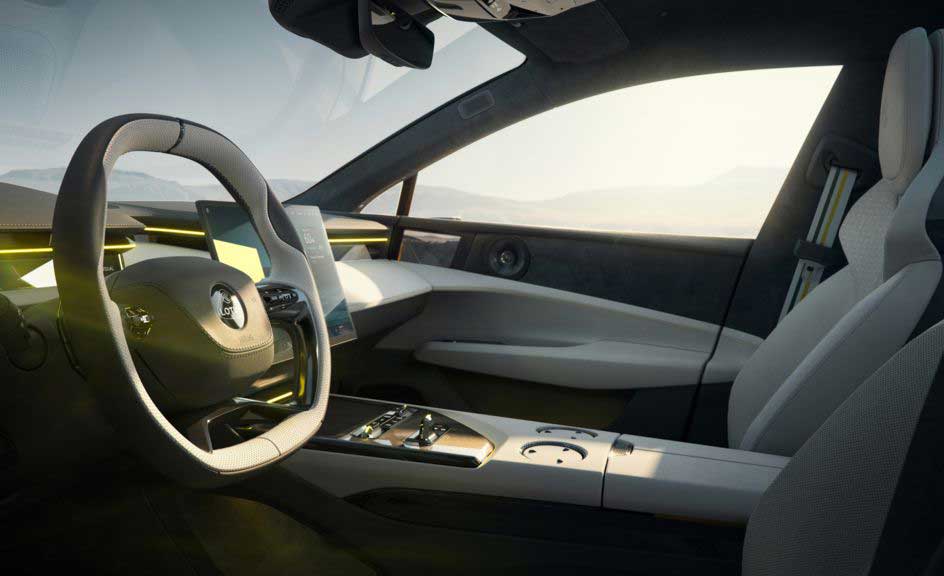
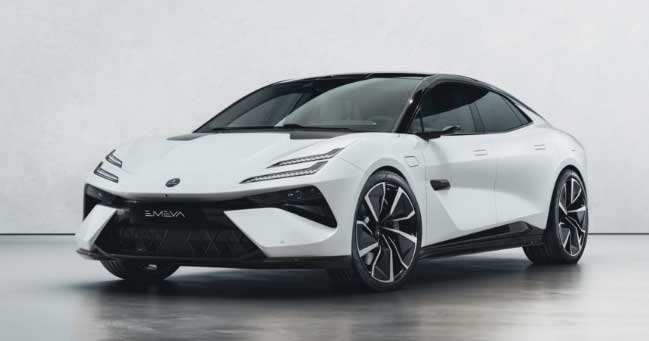
The Emeya is Lotus’ new electric GT car designed with drivers in mind. The interior atmosphere can be changed by dint of a light stripe going all around the car, giving the sensation of floating parts and lightness.
The exhibition fused past, present and future, celebrating Lotus’ heritage with a display of the much-loved Esprit, which was marking its 50th anniversary, alongside the cutting-edge Emeya. The story continued with an exploration of the design principles of the Theory 1, Lotus’ most recent concept car and a showcase of the brand’s vision for the future.
In the interior, the architecture carries over from the Eletre SUV. So, the centerpiece is a 15.6″ OLED touchscreen, which is where the driver must go to adjust everything except the cabin temperature — even just opening the glovebox must be done via the touchscreen.
Lotus, unlike Tesla, has realized it’s thoughtless not to provide a display for the driver showing speed, range and warning messages. A 12.6″ strip-shaped screen takes care of this, and the passenger gets one too, for shortcutting infotainment.
The main screen has a lot of menus, numerous of which are accessed by small ‘keys’ which can be tricky to hit. Even passengers asked to help with accessing phone activity and nav functions struggled to do so — though the voice control seemed to work fairly well.
Zeekr
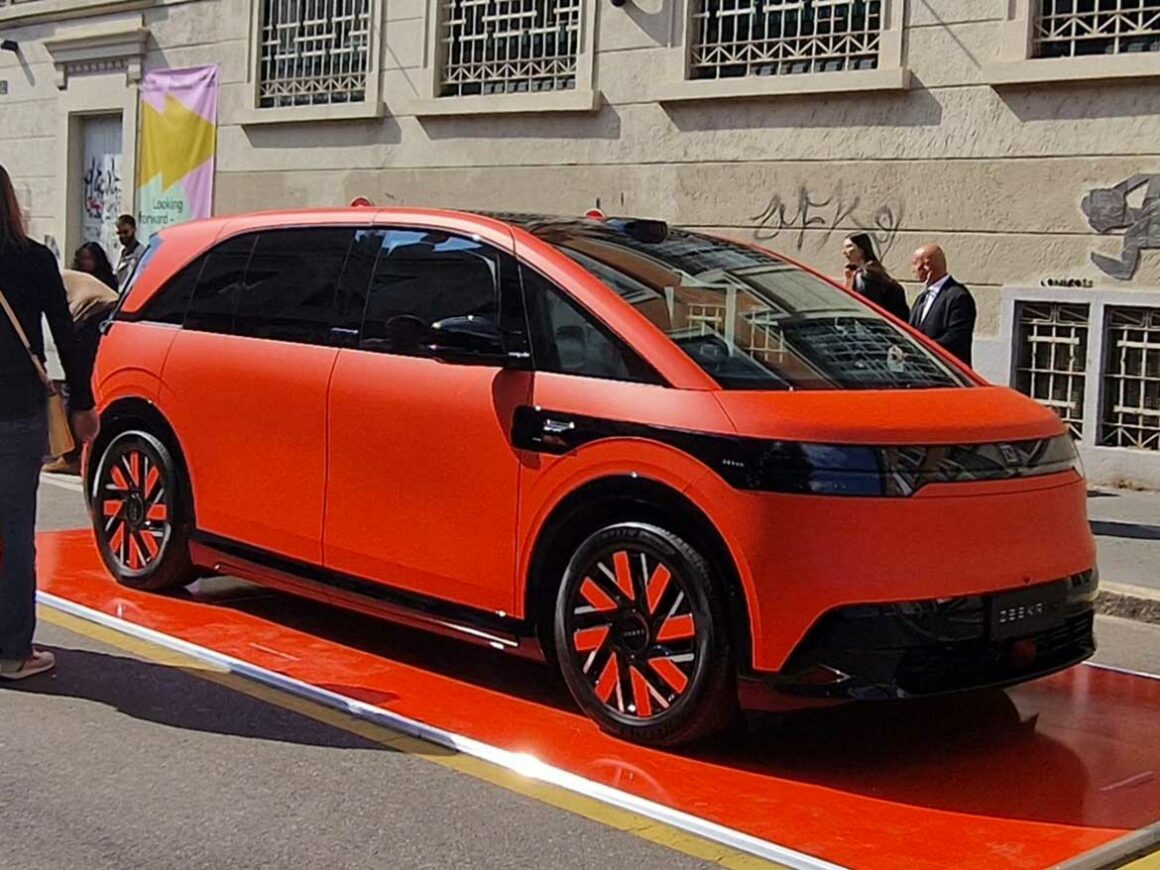
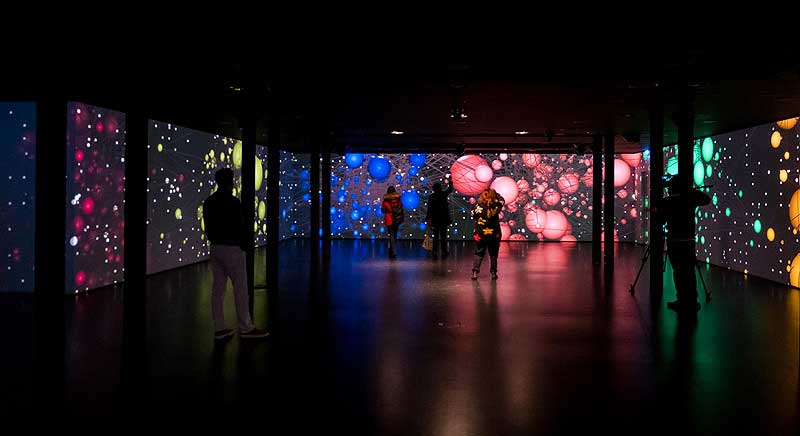
The Zeekr Mix (find previous DVN coverage) was part of the Chinese brand’s exhibition, attracting a lot of attention with its expressive headlights and rotating seats.
The exhibition unfolded in two parts. An immersive, interactive experience invited visitors to engage with Zeekr’s design philosophy in a thought-provoking way. Alongside this, they presented a groundbreaking student project that reimagines the future of electric mobility. Unlike traditional design programs, this initiative gave emerging talents full creative autonomy, empowering them to explore radical ideas without constraints. The result: a collection of innovative concepts, brought to life through scale models, which challenged conventions and offered fresh perspectives on what mobility can be.


