Hesai features in BYD ‘God’s Eye’ ADAS
BYD’s new ‘God’s Eye’ ADAS has been launched, and the automaker is promising to equip all their models, even the least-expensive ones, with this latest-iteration system. This will obviously have a huge impact on the accessibility of advanced driving assistance features in the EV world.
BYD’s Chairman, Wang Chuanfu, emphasized the company’s extensive resources dedicated to intelligent driving. BYD has been developing their system with a massive cloud-based database of vehicles, and a team of 5,000 R&D engineers focused purely on intelligent driving. The company’s daily ADAS training mileage of 72 million km in 2024 clearly shows its commitment to making the technology better. Wang Chuanfu predicts that intelligent driving will become a must-have feature for car buyers within the next few years.
The ‘God’s Eye’ system comes in three tiers, each designed for different vehicle models and price ranges:
- God’s Eye C, the entry-level system, targets BYD’s more affordable vehicles, including the Seagull hatchback that starts at C¥69,800 (around $9,550) in China. The Qin Plus DM-i, and the Seal 05 DM-i, both starting under C¥100,000 (about $13,690) will get the new ADAS as well. This low-priced system uses a three-camera cluster behind the windshield and is powered by the DiPilot 100, boasting 100 TOPS of computing power. It also includes 12 cameras (three front-view, five panoramic, and four surround-view), five mmWave radars for 360-degree perception, and 12 ultrasonic radar sensors. DiPilot 100 supports L2 features like highway NOA (navigate-on-autopilot), lane changes, and remote self-parking. BYD aims to expand city NOA to this class of vehicles via OTA updates.
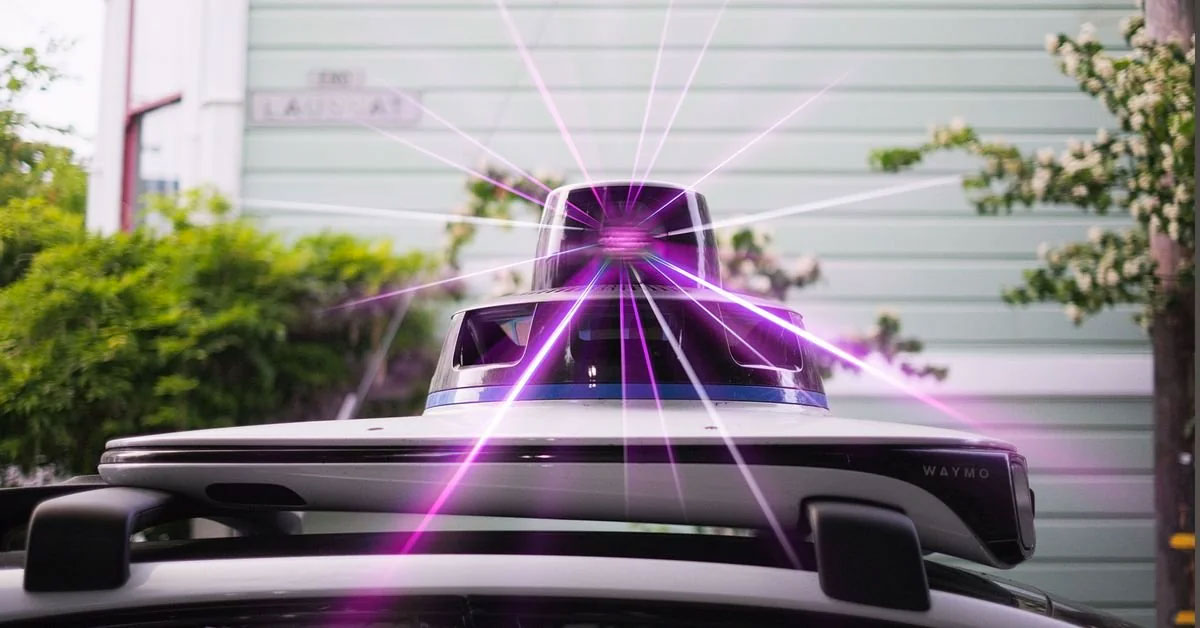
- God’s Eye B adds a Hesai ATX lidar unitfor more robust 3D mapping and object detection. It is powered by the DiPilot 300 with 300 TOPS of computing power. The camera, radar, and ultrasonic setup is similar, but the lidar integration and software calibration allow for expanded autonomy features. This enables advanced city navigation, improved obstacle detection in poor visibility, and potentially more sophisticated parking manoeuvres. God’s Eye B will be featured in Denza and Fang Cheng Bao vehicles, as well as some upper BYD models.
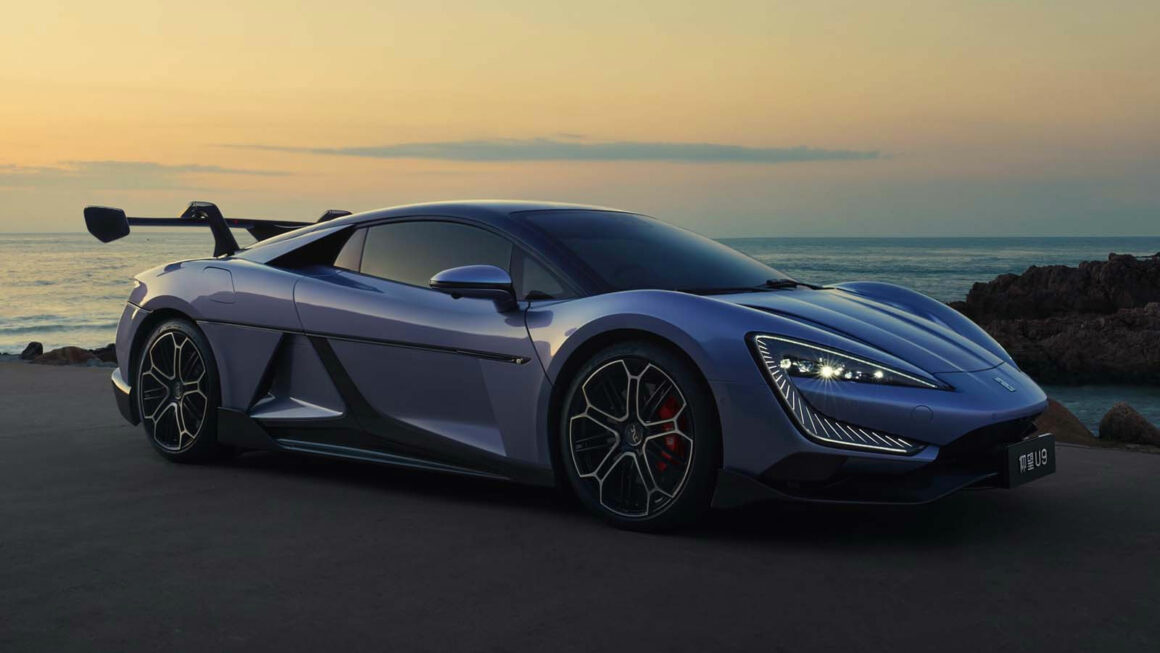
- God’s Eye A, at the top of the line, has three Hesai ATX lidarspowered by the DiPilot 600 with 600 TOPS of computing power. DiPilot 600 provides panoramic coverage of the vehicle’s surroundings. Designed for premium models like the Yangwang U9, DiPilot 600 can reportedly handle complex urban scenarios and high-speed highways with greater redundancy and 360° scanning.
The Hesai ATX lidar

DeepSeek R1: The AI behind DiPilot
At the core of BYD’s DiPilot system is DeepSeek’s R1 model, a large-scale AI engine originally developed for language processing but adapted to handle the demands of real-time driving. Unlike traditional rule-based computer vision, R1 uses neural networks to interpret the environment, detecting and classifying objects—cars, pedestrians, lane markers—in varied weather or lighting conditions. Beyond perception, R1 can support decision-making and help predict possible maneuvers such as lane changes or braking. It can also spot road hazards and make split-second risk assessments. By integrating DeepSeek’s R1 simulated-reasoning model, BYD gains AI-powered perception that handles complex urban scenarios, from traffic light recognition to chaotic intersections.
DVN comments
A key element of BYD’s approach is its in-house-developed Xuanji architecture. This architecture, described as “one brain, two ends, three networks, and four chains,” integrates a central processor, cloud AI, vehicle-side AI, the Internet of Vehicles, 5G and satellite networks, sensor chain, control chain, data chain, and mechanical chain. The Xuanji architecture connects to the Deepseek R1 LLM, enhancing AI capabilities even further.
Outsight Software Powers Automation Across Automotive Factories
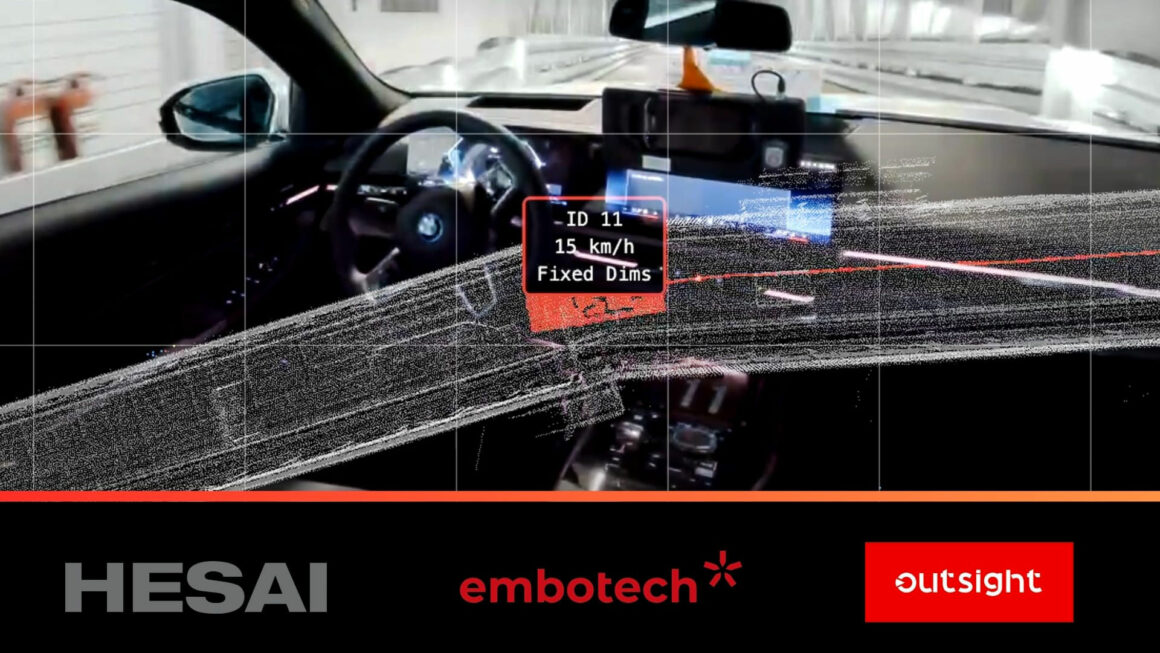
Lidar enables BMW’s latest 5- and 7-Series models and their 0MINI Countryman to navigate autonomously to their finishing areas—showcasing the remarkable potential of this technology and spatial intelligence in modern manufacturing. As part of a commitment to automation, BMW began testing automated in-plant driving (AFW) at their Dingolfing plant, the largest in Europe. Using Outsight’s RAD solution and feedback from advanced lidar sensors, new vehicles autonomously travel over one kilometre from assembly halls, through test courses, to finishing zones. This boosts efficiency and safety, as Outsight’s RAD processes 60 million lidar data points per second to guide approximately 300 cars daily at Dingolfing.
In collaboration with Embotech and Hesai, Outsight has played a pivotal role in delivering BMW’s Automated Vehicle Marshalling (AVM) systems, an essential component of AFW.
Embotech’s autonomous driving expertise, Hesai’s lidar sensors, and Outsight’s perception software form the backbone of this innovative system. The technology ensures precision and safety as vehicles autonomously navigate BMW facilities without human intervention.
Expanding the Impact of lidar Technology
With CE certification secured, BMW plans to roll the technology out across factories in Leipzig, Regensburg, Oxford, and the upcoming Debrecen facility in Hungary. This initiative combines autonomous driving technologies with real-world industrial applications. The implementation will contribute to BMW’s goal of logging millions of autonomous test kilometres within their production network over the next decade. Lidar’s utility in dynamic environments extends beyond manufacturing, with proven applications in large venues such as airports and stadiums to enhance crowd management. Outsight’s roadside autonomous driving (RAD) solution, which is hardware-agnostic, processes up to 200 million data points per second and allows integration with sensors from multiple manufacturers. This versatility enables swift hardware upgrades, ensuring future scalability.
A Vision for the Future of Autonomous Manufacturing
Embotech, Outsight and Hesai have successfully collaborated for several years, jointly advancing lidar and perception solutions for autonomous driving.
“The combination of Outsight’s sophisticated lidar software platform and Hesai’s reliable lidar sensors perfectly complements Embotech’s autonomous driving expertise,” says Dr. Alexander Domahidi, CTO and Founder of Embotech. “This collaboration ensures the highest standards of safety and efficiency in BMW’s automated vehicle operations.”
This latest strategic collaboration builds upon a strong foundation, enabling the companies to provide best-in-class technology for AVM, which is safety rated, fulfilling the highest performance and availability requirements.
According to Raul Bravo, President and co-founder at Outsight, “Our collaboration with Embotech, Hesai, and BMW highlights the increasing maturity of lidar technology, particularly the software underpinning it. Its application to real-world factory conditions demonstrate its ability to enhance industrial safety and efficiency, while underlining the importance of a comprehensive framework to realise the potential of autonomous driving.”
“Hesai is proud to partner with Embotech and Outsight to deliver cutting-edge lidar technology for BMW’s Automated Vehicle Marshalling (AVM) system,” says Dr. David Li, CEO and Co-founder of Hesai Technology. “This state-of-the-art technology demonstrates the high level of precision and safety offered by our lidar and Outsight’s perception software for Embotech’s autonomous driving solutions. We look forward to continuing our collaboration and bringing this technology to more factories around the world.”
The integrated solution is now actively supporting the marshalling of newly manufactured vehicles through various stages of the production and logistics process in three BMW facilities. This deployment marks the initial phase in a global rollout to multiple plants across Europe and North America.
DVN comments
The collaborating companies, Embotech, Outsight and Hesai, have been working together for several years to advance perception and autonomous driving solutions. This collaboration provides state-of-the-art technology for autonomous vehicle marshalling, meeting the highest performance and availability requirements. Such a system could be implemented for valet parking applications within public or private parking areas, at a condition that incoming vehicles are electric vehicles equipped with automated steering and longitudinal control systems (e.g., automated parking system).
Seyond’s Directional Lidars for Security Applications
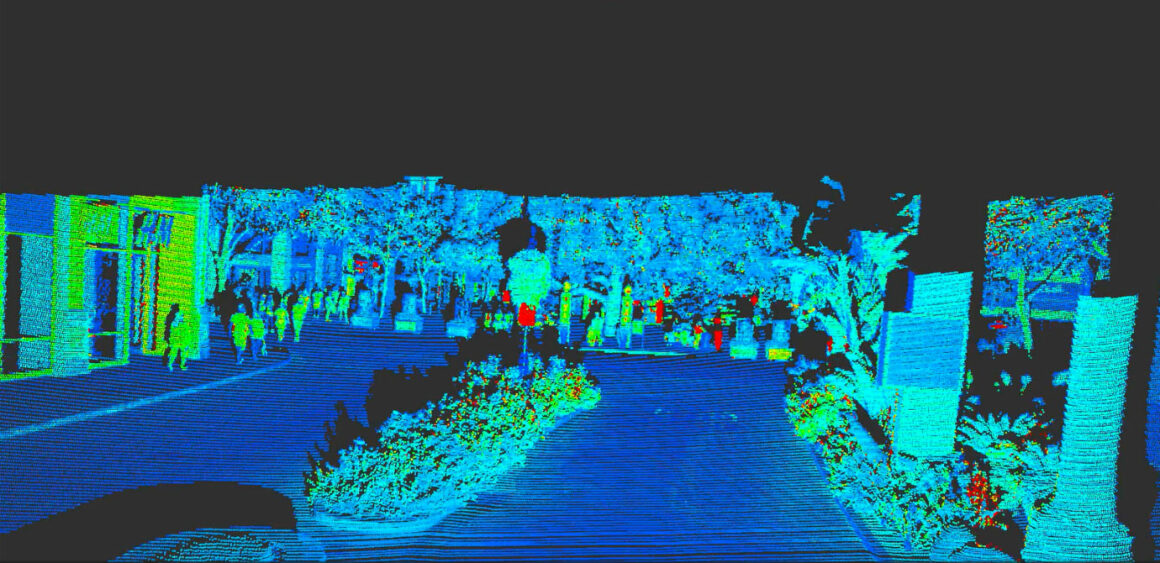
In evaluating their current automobile dedicated Lidars, Seyond has identified several reasons a directional lidar-based security system may be more effective than rotational lidar:
Precision and Stability
One of the primary advantages of directional lidar is its resolution. Unlike rotating lidar, which relies on spinning to collect data, directional lidar focuses on specific, predefined areas. This targeted approach allows for higher resolution in detection, essential for identifying minor movements or small objects that rotating systems might miss. In security settings, where every detail is critical, having a sensor that provides consistent and precise data is a notable benefit.
Faster System Response Times
Time is of the essence in security applications—the faster the system can detect a potential threat, the quicker the response. Directional lidar can rapidly scan and re-scan specific areas with higher resolution, providing clear updates. This capability is invaluable for real-time threat assessment and response, ensuring that security teams remain one step ahead.
Reliability
Certain directional lidar systems, such as those from Seyond, are specifically developed for automotive applications and undergo rigorous automotive qualification processes. This ensures enhanced durability and lower maintenance requirements, particularly important in outdoor or harsh environments where continuous operation is paramount and frequent maintenance is impractical. Rotating lidar, in contrast, can be prone to wear and tear due to weaker quality control processes. The required larger motors for handling heavier loads further increase costs and complexity, potentially leading to system downtimes and increased maintenance costs.
Enhanced Coverage and Customizability
Directional lidar offers greater flexibility in customizing security coverage. While rotating lidar provides a full 360-degree view, this can result in inefficient data collection, capturing unnecessary or irrelevant information. Directional lidar can be strategically positioned and programmed to focus on vulnerable or high-priority areas, optimizing data collection and reducing the computational load and storage requirements.
Integration and Scalability
In modern security ecosystems, seamless integration of various technologies is crucial. Directional lidar easily integrates into existing security infrastructures, including advanced video analytics and access control systems, enhancing their overall effectiveness. Additionally, as security needs evolve, directional lidar systems can be scaled or reconfigured with minimal disruption, offering long-term adaptability and future-proofing investments in security technology.
Directional lidar Helps Reduce False Alarms
False alarms are a critical concern in any security application. There are two major issues surrounding false alarms: the significant costs associated with dispatching teams and equipment to the site for each false alarm and the potential “fatigue” in response teams, which can lower efficiency. Camera-based systems are susceptible to false alarms due to environmental factors, sensitivity settings, visual limitations, limited perspective, and non-human activity.
Seyond’s directional lidar, including their Falcon K, Robin W, and Robin E1X, feature ultra-high resolution, ensuring precision in detection. This level of precision is vital in security environments, where accurately differentiating between objects based on size, shape, and movement patterns reduces the number of false alarms caused by non-threatening movements. With fewer false alarms, Seyond lidar systems streamline security operations, allowing personnel to concentrate on genuine alerts, improving efficiency and response times.
Rotational lidar systems, however, scan their laser beams across a broad field of view, reducing both resolution and depth perception, making it more challenging to clearly identify specific threats or intruders.
Directional lidar excels in focusing on specified areas of interest without requiring 360-degree monitoring. Seyond’s directional Falcon lidar offers dynamic focusing features for better target tracking, even in challenging conditions. Additionally, Seyond’s streamlined design allows for concealed installation, avoiding the exposure and aesthetic drawbacks of rotating lidar.
Rotational lidar’s need for larger motors and moving parts increases power consumption and susceptibility to malfunction, whereas Seyond’s semi-solid-state directional lidar systems have minimal moving parts, ensuring longevity and lower maintenance needs. Seyond’s Falcon K has passed a series of standard reliability tests, demonstrating unwavering performance stability even in the most demanding environments.
DVN comments
Reliable and durable directional lidar systems, like those from Seyond, are designed for automotive applications and undergo rigorous qualification processes, ensuring increased durability and reduced maintenance requirements. Seyond’s directional lidar systems, such as the Falcon K, Robin W, and Robin E1X, offer high accuracy in detection, reducing the number of false alarms caused by non-threatening movements. Such sensors are designed to address the specific requirements of traffic monitoring and security surveillance, which could potentially expand Seyond’s market with its Falcon K, Robin W, and Robin E1X portfolio.


