DVN @ Valeo Innovation Day
Valeo held its Innovation Day, September 11th, 2024, at its US HQ in Troy, Michigan. They demonstrated a number of new technologies in the areas of Power, Lighting and ADAS.
On the LiDAR side, Valeo demonstrated the Scala 3 smart – for behind grille integration – and the Scala 3 satellite unit – for windshield integration. LiDAR still remains a high-end option today, but as costs come down, it provides coverage for corner cases, like road object avoidance and vision in night condition, plus redundancy versus a camera only system.
The Scala Satellite system uses a separate ECU for point cloud processing and has the capability to do object detection depending on OEM requirements. This also helps keep the power down in the box that sits behind the windshield for thermal design considerations.


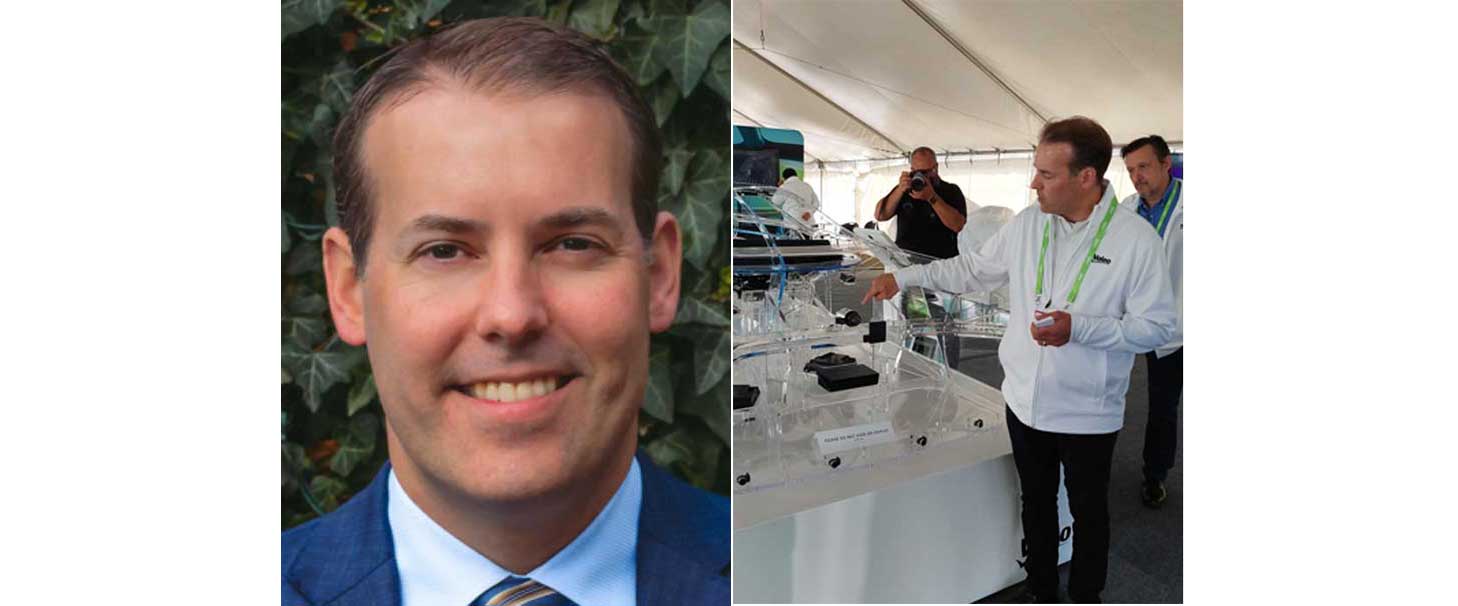
DVN interview with Joseph Thompson / Valeo Brain NA – Engineering Director

Joseph Thompson leads the ADAS & Interior Experience engineering team for Valeo’s Brain division in North America.
He has held leadership positions in automotive engineering and industrial operations management with a focus on innovation and customer service. He holds a degree in Mechanical Engineering.
DVN: Valeo has a large ADAS products portfolio, could you tell us more about this portfolio and activities?
JT: With more than 1.5 billion sensors shipped in the last 30 years, Valeo counts the acceleration of ADAS among its key corporate priorities. In order to successfully achieve this priority, we must be able to replicate or replace complex driving tasks. That starts with sensing the world around us, processing the senses into a set of instructions, and actively learning and adapting from environmental feedback. This combination of sensors, compute units, software, and intelligence is at the heart of Valeo’s portfolio.
Our sensor sets include a range of ultrasonics, vision cameras, radars, LiDAR, and most recently thermal cameras. Our compute units range from an entry level 1-box solution and grow to domain controllers and central-compute units, which offer electrical architecture simplification and scalability.
Our software suite includes hardware drivers, silicon-agnostic compute platforms, middleware, and application layers available in embedded or licensed form.
DVN: What is the competitive position of Valeo ADAS systems in the US, is the large ADAS portfolio a real advantage?
JT: Valeo is a leader in the U.S. ADAS market, and with this comes the diversity of sensors, processors, and software already mentioned. If we look at each OEM’s approach to ADAS execution, we also see strategic diversity.
While some traditional and new mobility players seek sensor-only or build-to-print compute solutions, others embrace an integrated sensor/compute/perception hardware and software set; still others embrace fully decoupled hardware and software as the industry transitions to the software defined vehicle.
Therefore, in order to address diversity in the market and to complement our customer’s strategies, Valeo’s current hardware and software strategy is absolutely an advantage to our customers, leading to new contracts, strategic supplier awards and innovations awards, including a 2024 CES Innovation Award for our SCALA 3 LiDAR.
DVN: US Market, do you see an increasing demand for HD radars, for which applications?
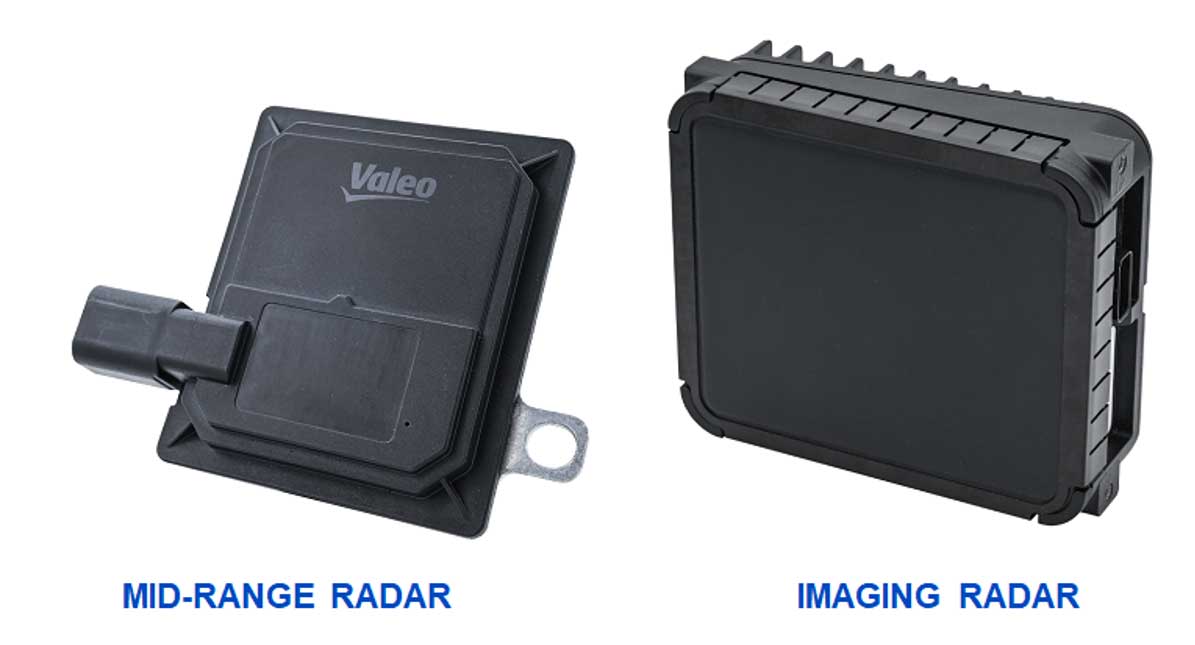
Radar offers a unique advantage: it “sees” through atmospheric disturbances which are impenetrable by visible light. Radar performance is often quantified by its detection range as well as its ability to distinguish high- and low- radar reflective targets within close proximity to one another. Enter HD or imaging radar for which inquiries are growing in the U.S. market.
As vehicle autonomy increases, the ability to reliably detect and classify low-reflective driving road hazards and high-reflective stationary versus moving objects becomes a key mission. Today, HD or Imaging Radar has demonstrated highly improved detection performance and U.S. inquiries are growing. Valeo offers a complete portfolio of solutions starting with traditional radar, through mid-range radar, and HD radar.
DVN: US Market – do you see an increasing demand for Lidars, for which applications. Which Lidar products do you propose?
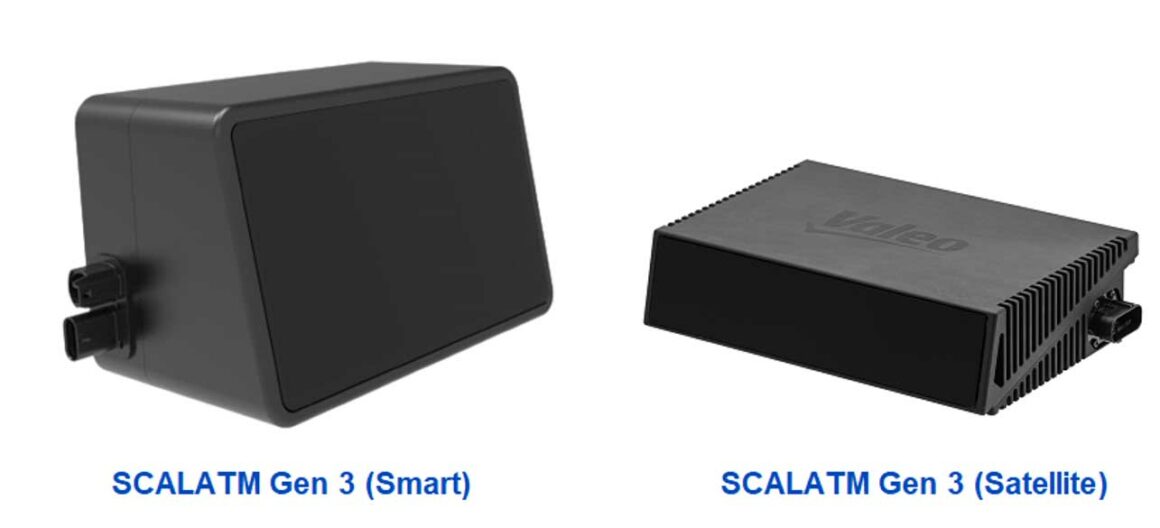
Amid an increasing demand for LiDAR sensors in the US, Valeo’s offering revolves around the SCALA 3 family, Valeo’s 3rd generation LiDAR perception systems available in 2 variants: Smart (with a full-fledge onboard perception stack) and Satellite (roof-compatible slim variants with an off-board perception computing hosted on a dedicated compute ECU provided by Valeo as well).
Our LiDARs offer front or side perception performance matching the needs of both passenger cars and robotaxi players segments.
DVN: US Market, do you see an increasing demand for the IR cameras, for which applications?
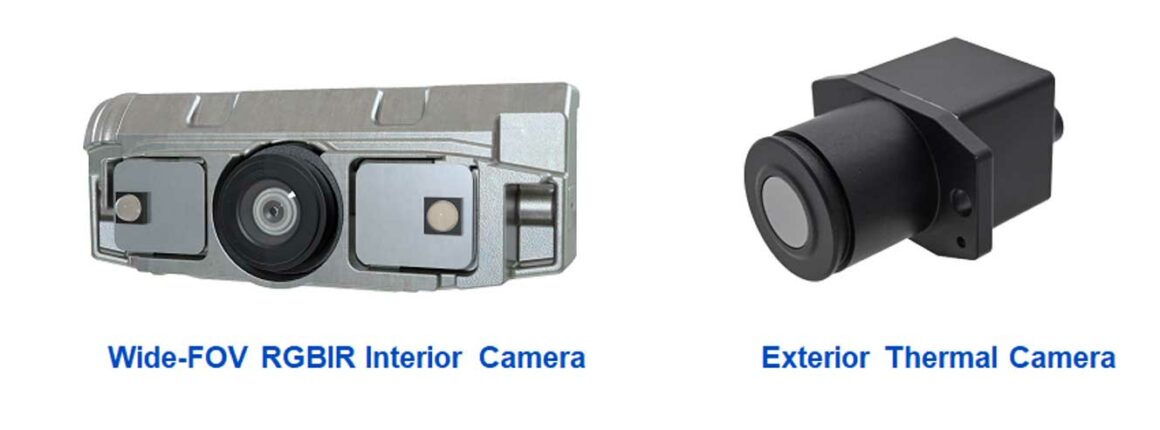
There is an increasing level of new business awards and inquiries related to propagation of infrared imaging in automotive. These can primarily be attributed to the need to monitor the state of cabin occupants in order to manage assisted and autonomous driving, the need to detect life presence outside of the vehicle under adverse conditions (eg fog), and the evolving regulatory landscape. Valeo offers two key technologies in the infrared imaging realm including RGBIR (shortwave IR) driver/in-cabin monitoring solutions in a wide-FOV, as well as exterior thermal imaging (long range IR) to achieve these functions.
DVN: US Market – Waymo is expanding its Robotaxis business, but very slowly. Tesla said it will also go after this market as well. What are the prerequisites to an emerging Robotaxi market, is there a way to get this business profitable?
The robotaxi business in its pure economic form is primarily about offsetting the cost of driver wages with the cost of energy, maintenance and vehicle depreciation. As wages increase and volumes grow,and companies are able to better utilize their fixed costs, the business case will improve. It is noteworthy that in the U.S. the scale of public transportation is much different than in Europe, and one noteworthy reason is the longer distances which make traditional public infrastructure cost prohibitive. Therefore, there is indeed a problem to be solved in the U.S. While it has not reached wide-scale rollout, Valeo is prepared to help new mobility partners solve their problems and grow the robotaxi business.
DVN: US Regulation – Which are the critical requirements related to the new NHTSA ruling FMVSS127 – incl. Pedestrian Detection in the dark?
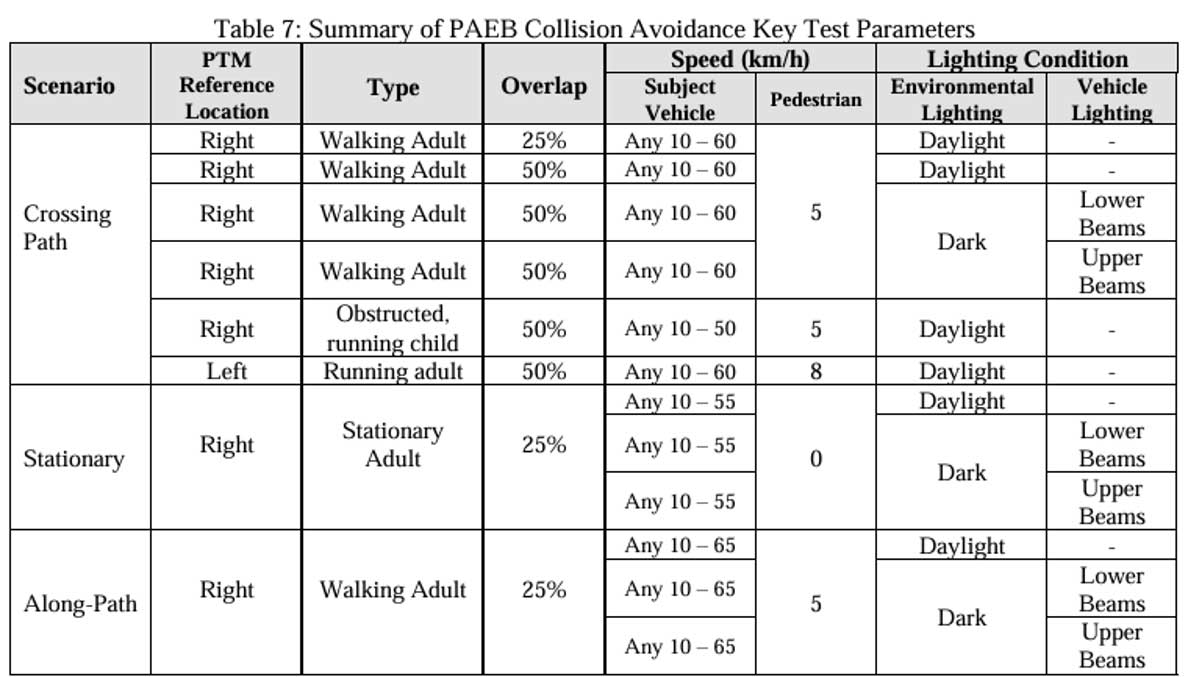
JT: NHTSA has released a new regulation which has required 100% of passenger vehicles sold in the U.S. as of September 2029 to be equipped with AEB (Automatic Emergency Braking) and PAEB (Pedestrian Automatic Emergency Braking).
While systems exist today which primarily reduce the severity of a collision, the NHTSA rule is unique in that it:
- requires car-to-car collision avoidance up to 100 km/h and mitigation up to 145 km/h
- requires pedestrian collision avoidance up to 65 km/h and mitigation up to 73 km/h
- requires pedestrian collision avoidance in the dark (0.2lux)
These characteristics offer unique challenges, and many in the industry are concerned about coping with “false positives” or the premature application of brakes.

DVN: US Regulation – Which technologies could support the new NHTSA ruling FMVSS127 – incl. Pedestrian Detection in the dark?
Sensor modalities that “see” in the dark can certainly help support the NHTSA ruling; these are primarily LiDAR, radar, and thermal imaging. Valeo is actively working with OEMs to offer solutions that can scale from entry-level to luxury.


